




“South Africa is on high alert as anti-immigration movements, led by groups such as March and March, set today as the deadline for undocumented foreign nationals to leave the country. Analysts warn of potential violence reminiscent of the July 2021 riots, while government officials dismiss the possibility of a shutdown and emphasize constitutional rights to peaceful protest.”
South Africa’s political landscape has been shaken by growing anti-immigration sentiment, culminating in calls for a nationwide shutdown on June 30, 2026. Civil society organizations, economic analysts, and political commentators have drawn alarming parallels between the current climate and the July 2021 unrest, which left more than 350 people dead and caused billions in damages.
The Movement
The March and March Movement, alongside civic groups such as Insizwa Ngobunsizwa, has mobilized protests demanding the expulsion of undocumented foreign nationals. Social media has played a central role in organizing rallies, funding transport, and amplifying anti-immigrant rhetoric. Analysts note that the movement has taken on an ethnic character, raising concerns about xenophobic violence.
Government Response
Minister in the Presidency Khumbudzo Ntshavheni has firmly rejected the idea of a shutdown, stressing that while South Africans have the right to protest, they cannot take the law into their own hands. She emphasized that national security remains under control, and law enforcement agencies are prepared to act against vigilantism. President Cyril Ramaphosa echoed these assurances, warning protesters not to destabilize the country.
International Relations Dimension
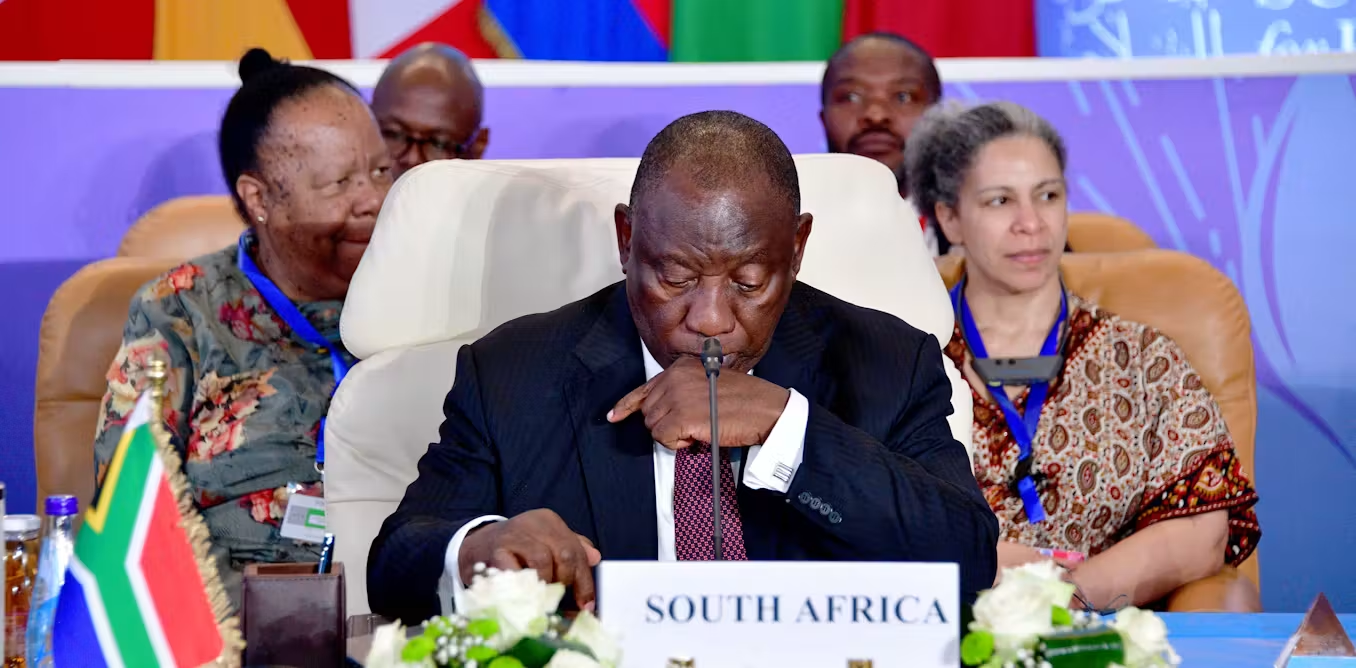
The crisis has drawn international attention, with neighboring SADC states monitoring developments closely. South Africa’s role as a regional leader means instability could undermine confidence in its governance and economic stability. The Department of International Relations and Cooperation (DIRCO) has continued diplomatic engagements, including Ramaphosa’s participation in the Extraordinary SADC Summit on June 29, 2026, where regional cooperation was emphasized.
Risks and Concerns
- Economic impact: Analysts warn that unrest could disrupt supply chains, damage infrastructure, and deter foreign investment.
- Human rights: The targeting of foreign nationals raises concerns about xenophobia and violations of international refugee protections.
- Security capacity: Experts question whether South Africa’s security forces can manage widespread unrest, citing lessons from 2021.
Public Sentiment
Civil society organizations, trade unions, and academics have voiced skepticism about government assurances. Many argue that the root causes of unrest—unemployment, inequality, and service delivery failures—remain unresolved, fueling resentment against migrants. Political analyst Sandile Swana has questioned the narrative that South Africa is “overrun by foreigners,” suggesting deeper socio-economic frustrations are driving the movement.
International Repercussions
South Africa’s handling of the protests will affect its global reputation. As Ramaphosa prepares for a working visit to France in July 2026, international partners will be watching closely to assess the country’s stability and commitment to democratic principles.
Conclusion
Today’s protests represent a critical test for South Africa’s democracy and international standing. The government’s ability to balance constitutional rights to protest with the need to prevent violence will determine whether the country avoids a repeat of the devastating 2021 riots. The outcome will shape not only domestic politics but also South Africa’s role in regional and global affairs.



