




“South Africa has unveiled its 2026–2027 Annual Performance Plan, allocating R64.8 billion to strengthen hospital infrastructure, roll out Lenacapavir HIV-prevention injections, and intensify HPV vaccination and screening to eliminate cervical cancer by 2030. This ambitious plan is designed to prepare the nation for National Health Insurance (NHI) and universal health coverage.”
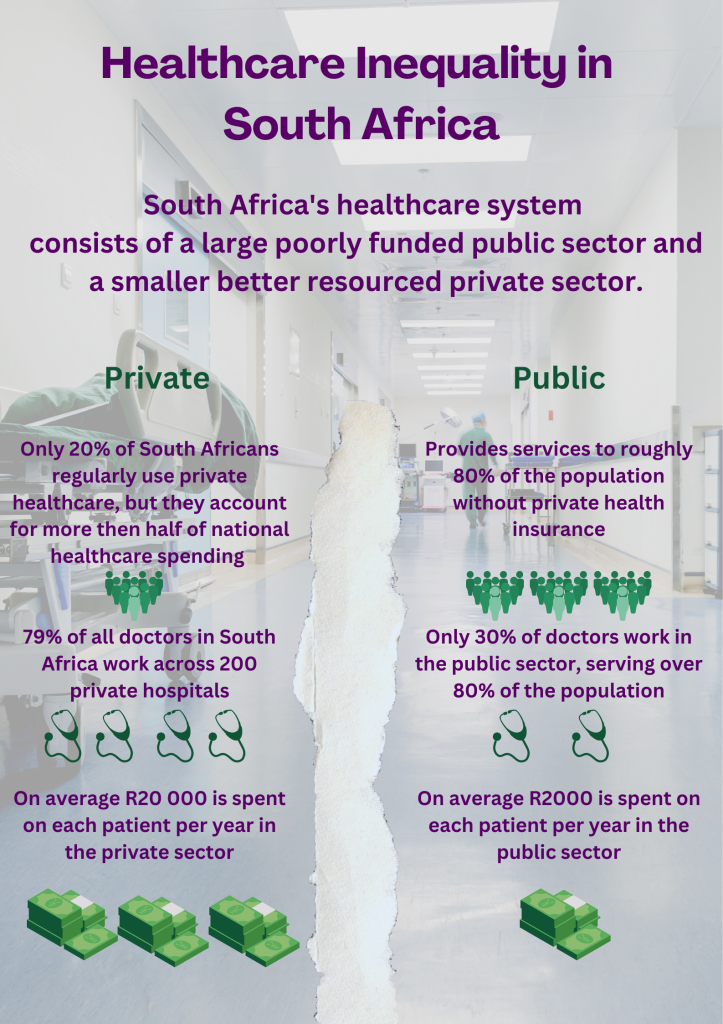
South Africa’s healthcare system is undergoing a transformative shift in 2026. The Department of Health has launched its Annual Performance Plan (APP) for 2026–2027, backed by a R64.8 billion allocation. This plan sets out three critical pillars: hospital infrastructure reform, HIV prevention through Lenacapavir injections, and cervical cancer elimination by 2030. Together, these initiatives represent a bold step toward achieving National Health Insurance (NHI) and universal health coverage (UHC).
Hospital Infrastructure Reform
- Upgrades across provinces: Limpopo, Free State, Eastern Cape, and Mpumalanga will see new teaching hospitals and district facilities.
- Budget Facility for Infrastructure: 11 bids worth over R1 billion have been submitted to modernize healthcare facilities nationwide.
- Goals: Reduce overcrowding, replace outdated equipment, and improve service delivery.
This infrastructure push is not merely about bricks and mortar—it is about equitable access to quality care. By expanding hospital capacity and modernizing facilities, the government is laying the foundation for NHI, ensuring that healthcare delivery is resilient, efficient, and equitable.
HIV Prevention: Lenacapavir Rollout
- Lenacapavir injections: A long-acting antiretroviral offering protection for six months, unlike daily oral PrEP.
- Target groups: Young people, rural communities, and marginalized populations.
- Impact: Expected to significantly reduce HIV transmission rates in one of the world’s highest-burden countries.
Health Minister Aaron Motsoaledi emphasized that South Africa is now positioned to “eliminate HIV/AIDS as a public health threat.” Early rollout data shows 98.5% of HIV-negative people offered a choice between daily pills and Lenacapavir chose the injection, highlighting strong public acceptance.
Cervical Cancer Elimination Strategy
South Africa has aligned its strategy with WHO’s 90-70-90 targets:
- 90% HPV vaccination coverage for girls under 15
- 70% screening coverage using high-performance tests
- 90% treatment coverage for identified cases
The government aims to eliminate cervical cancer by 2030, reducing incidence to fewer than 4 cases per 100,000 women. This effort combines vaccination campaigns, improved screening, and expanded treatment access.
Broader Public Health Impact
This plan is not only about tackling immediate health challenges but also about future-proofing South Africa’s healthcare system. By investing in infrastructure, prevention, and elimination strategies, the country is positioning itself as a leader in public health innovation across Africa.
- Equity: Rural and underserved communities will benefit from expanded hospital access.
- Prevention: Lenacapavir rollout could dramatically reduce HIV incidence.
- Women’s health: Cervical cancer elimination will save thousands of lives annually.
Conclusion
South Africa’s R64.8 billion healthcare reform plan is a bold, comprehensive strategy that addresses pressing health challenges while preparing the nation for universal health coverage. By focusing on infrastructure, HIV prevention, and cervical cancer elimination, the country is setting a precedent for transformative public health policy in Africa.



