




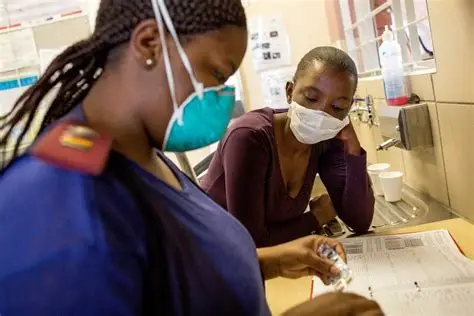
“South Africa has stepped up distribution of Lenacapavir, a long-acting injectable HIV prevention drug, with Gauteng Province receiving 28,593 new initiation packs this week. The program aims to reach millions by 2027, offering a groundbreaking alternative to daily oral PrEP and strengthening the fight against HIV.”
South Africa, home to one of the world’s largest HIV epidemics, has taken a decisive step forward in its public health strategy. The government has expanded the rollout of Lenacapavir, a twice-yearly injectable drug designed to prevent HIV infection, marking a significant milestone in the country’s ongoing battle against the virus. With Gauteng Province receiving 28,593 initiation packs this week, the initiative is poised to transform HIV prevention nationwide.
Background: HIV Burden in South Africa
According to Statistics South Africa, approximately 8.15 million people were living with HIV in 2025, representing nearly 12.9% of the population. Despite decades of progress in treatment and prevention, the country continues to face high rates of new infections, particularly among young women and marginalized communities. Traditional oral pre-exposure prophylaxis (PrEP) has proven effective but requires daily adherence, which can be challenging for many.
Lenacapavir: A Game-Changer
Lenacapavir offers a revolutionary alternative. Administered via injection once every six months, it provides consistent protection without the need for daily pills. This long-acting option is particularly beneficial for individuals who struggle with adherence to oral medication. By broadening prevention choices, Lenacapavir could significantly reduce new infections and ease the burden on healthcare systems.
Rollout Strategy
- First Phase Coverage: 360 public health facilities across six provinces and 24 high-burden districts.
- Recent Distribution: Gauteng received 28,593 initiation packs, bringing its total to 57,231.
- National Goal: Reach one million people by 2027, and three million within three years.
The rollout began in June 2026, with strong demand leading to temporary shortages at some sites. The latest consignment ensures continuity of supply and expands access to more communities.
Public Health Impact
The introduction of Lenacapavir is expected to:
- Reduce HIV transmission rates by offering a reliable prevention method.
- Improve adherence compared to oral PrEP.
- Strengthen community trust in public health interventions.
- Relieve pressure on clinics by reducing the frequency of patient visits for medication refills.
Challenges Ahead
Despite its promise, the rollout faces challenges:
- Supply Chain Management: Ensuring consistent availability across provinces.
- Equity Issues: Reaching rural and underserved communities.
- Awareness Campaigns: Educating the public about the benefits and safety of Lenacapavir.
- Healthcare Infrastructure: Supporting clinics with training and resources to administer the injections.
Expert Perspectives
- Epidemiologists emphasize that Lenacapavir could be a turning point in HIV prevention, provided coverage expands rapidly.
- Healthcare workers highlight the importance of community engagement to build trust and encourage uptake.
- Public health officials stress that the drug must complement, not replace, existing prevention strategies such as condom use and education.
Community Response
Early feedback from patients has been positive, with many expressing relief at not having to remember daily pills. Community leaders in Gauteng have welcomed the initiative, noting its potential to reduce stigma and empower individuals to take control of their health.
Global Significance
South Africa’s rollout of Lenacapavir is being closely watched by international health organizations. If successful, it could serve as a model for other countries grappling with high HIV burdens. The initiative underscores South Africa’s leadership in innovative public health strategies.
Conclusion
The expansion of Lenacapavir represents a bold step in South Africa’s fight against HIV. By embracing long-acting prevention methods, the country is not only addressing immediate public health needs but also laying the foundation for a future where HIV transmission is drastically reduced. The coming years will be critical in determining whether this ambitious program achieves its goals, but the momentum is undeniably strong.



