




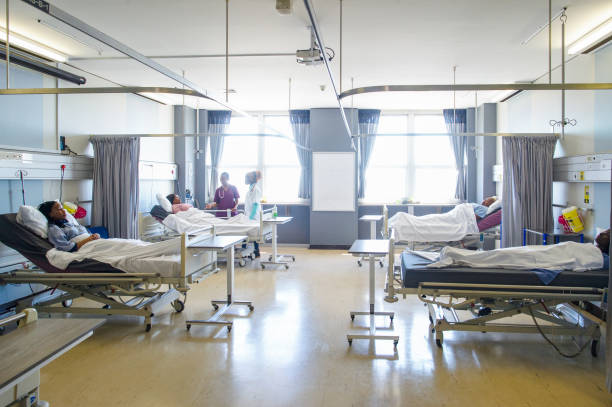
“The NICD’s latest respiratory pathogens surveillance report shows influenza and RSV infections rising earlier and more aggressively than in past years, with nearly one-third of tested samples positive for influenza. Public hospitals are reporting moderate-to-high transmission levels, sparking urgent calls for vaccination, improved surveillance, and hospital readiness.”
South Africa is entering a challenging phase of its 2026 health calendar as influenza and respiratory syncytial virus (RSV) infections surge earlier than expected. The National Institute for Communicable Diseases (NICD) has confirmed that the influenza season began in early March, weeks ahead of historical averages, and has intensified through June. This development has significant implications for public health, hospital capacity, and disease prevention strategies.
Current Situation
- Week 25 (June 15–21, 2026): Out of 96 samples tested, 28 (29.2%) were influenza-positive and 22 (22.9%) RSV-positive.
- Hospital impact: Public hospitals report moderate influenza transmission in pneumonia wards, while RSV activity remains at moderate levels.
- Comparisons: The 2026 influenza season began earlier than in 2025, while RSV started later but is now accelerating.
Historical Context
Influenza typically peaks in South Africa between May and August. However, the early onset in March 2026 mirrors unusual patterns seen in 2025, suggesting climate variability, global travel, and weakened immunity post-COVID-19 may be influencing transmission cycles. RSV, often affecting children under five, is particularly concerning for pediatric wards.
Public Health Response
The NICD has urged:
- Expanded vaccination campaigns targeting vulnerable groups (elderly, children, immunocompromised).
- Enhanced surveillance systems like CoughWatchSA, which tracks influenza-like illnesses in real time.
- Hospital readiness measures, including oxygen supply management and staff reinforcement.
Risks and Challenges
- Overlap with other diseases: Influenza and RSV coincide with measles and rubella outbreaks reported earlier in June, compounding risks.
- Resource strain: Hospitals face rising admissions while still managing routine care and other infectious diseases.
- Equity concerns: Rural clinics often lack diagnostic capacity, delaying treatment and increasing mortality risks.
Expert Perspectives
Epidemiologists warn that early influenza surges may become the “new normal” due to shifting climate patterns. Pediatric specialists emphasize RSV’s burden on infants, noting that severe cases often require intensive care. Public health experts argue for integrated disease surveillance dashboards to coordinate responses across provinces.
Policy Implications
The South African government is considering:
- Stockpiling antivirals and vaccines ahead of peak season.
- Strengthening cross-border disease monitoring, given regional outbreaks of Ebola and diphtheria.
- Investing in digital health platforms to improve reporting speed and accuracy.
Conclusion
South Africa’s early influenza and RSV surge highlights the fragility of health systems facing multiple concurrent outbreaks. Proactive vaccination, robust surveillance, and hospital preparedness are essential to mitigate the impact. The NICD’s transparent reporting provides a roadmap for action, but execution will require coordinated national and provincial efforts.



