




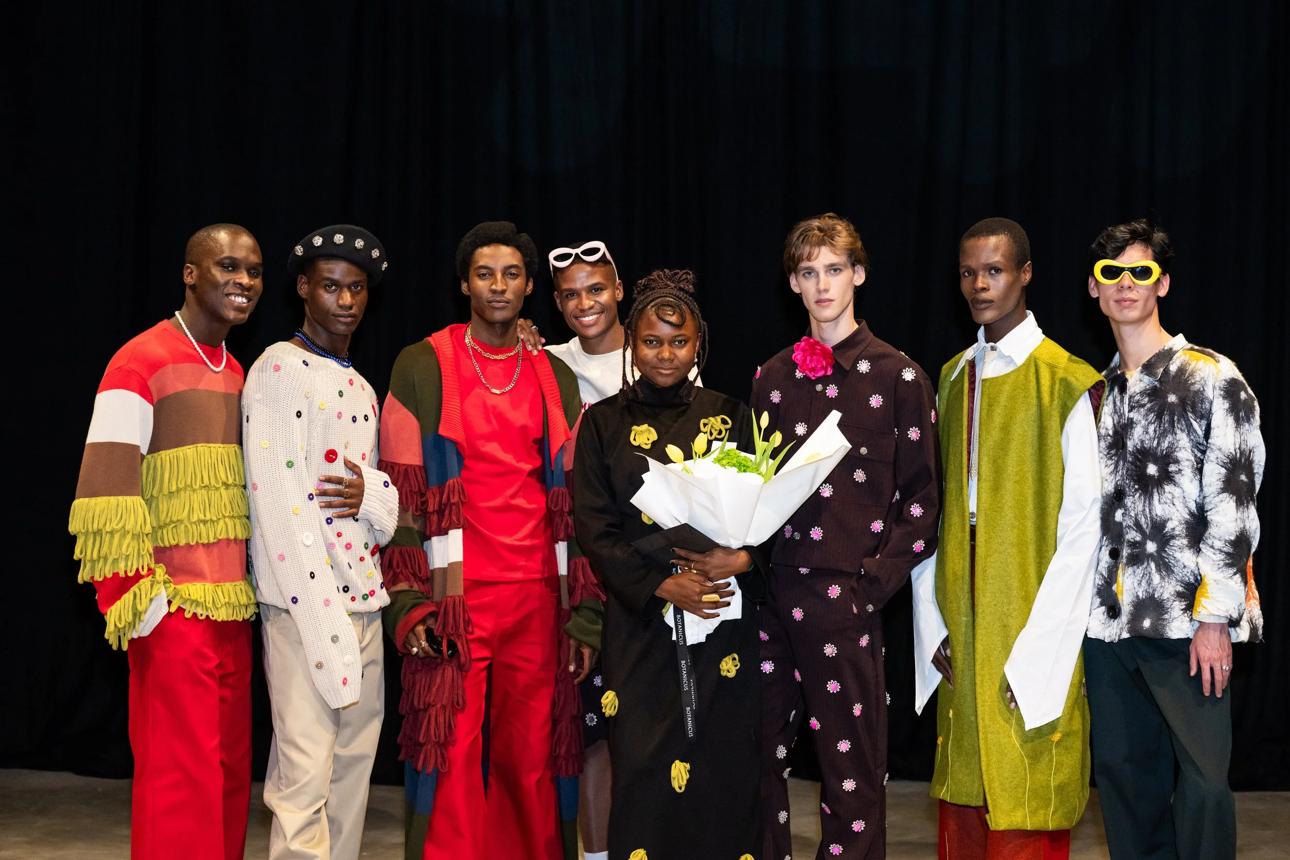
“Something Good Studio has been named Best Sustainable Fashion at the 2026 South Africa Fashion Awards, placing sustainability prominently within South Africa’s increasingly diverse fashion industry. The recognition comes as local fashion businesses, designers and industry platforms increasingly connect environmental responsibility with ethical production, circularity, local manufacturing and long-term commercial growth.”
South African fashion’s sustainability conversation moved further into the mainstream this week after Something Good Studio was named Best Sustainable Fashion at the 2026 South Africa Fashion Awards. The recognition formed part of the second annual awards, held on 3 October at Hotel Sky Sandton and reported on 6 October, with the ceremony bringing together designers, retailers, e-commerce businesses, beauty companies, photographers, models and fashion marketers. The result is significant because sustainability was recognized alongside major commercial categories, placing responsible fashion within the wider business and cultural story of South Africa’s fashion industry.
The award was one of 21 publicly voted categories at this year’s South Africa Fashion Awards. Woolworths received two major honours, Best Fashion Retailer and Best Fashion E-Commerce Brand, while GALXBOY won Best Streetwear Brand, Veldskoen Shoes was named Best Footwear Brand and Meraki Jewellery Design received Best South African Jewellery Brand. Within that broader field, Something Good Studio’s sustainability win gives environmental and responsible-production principles a visible place on a national fashion platform.
The recognition comes at an important moment for the industry. Sustainability is no longer simply a niche concern associated with specialist designers or environmentally conscious consumers. Increasingly, it is becoming part of the discussion around how fashion businesses design products, source materials, build brands, sell through physical and digital channels, and respond to changing expectations from consumers.
For South Africa, that conversation has a distinctive local dimension. Fashion is closely connected to manufacturing, craft, cultural identity, entrepreneurship and employment. A stronger sustainable-fashion economy therefore has the potential to address environmental pressures while also supporting local skills, production and creative enterprise.
Something Good Studio’s recognition is particularly relevant because the brand operates within a design environment where craftsmanship, material choices and longevity can become part of a product’s identity. Its work demonstrates how sustainability can be presented not as a limitation on creativity, but as part of a contemporary design proposition.
The award also arrives as other South African platforms continue to expand the definition of sustainable fashion. The Twyg Sustainable Fashion Awards, for example, opened nominations for their 2026 edition with categories covering accessories, artisanal fashion, emerging designers, fashion innovation, Pan-African fashion, retail, students, tastemakers and trans-seasonal design. The awards assess areas including ethical labour, transparency, resource use, material sourcing, waste and pollution, environmental and climate impact, and sustainable and circular practice. This broader approach shows that sustainability increasingly involves an entire fashion system rather than one particular fabric or production technique.
That shift matters because environmental responsibility in fashion cannot be reduced to whether a garment carries a sustainability label. A genuinely responsible approach can involve using resources more efficiently, reducing waste, producing durable garments, supporting ethical working conditions, improving supply-chain transparency, encouraging repair and reuse, and considering what happens to products at the end of their useful lives.
Circularity is especially important. Instead of treating clothing as a product that moves from factory to consumer and then quickly becomes waste, circular fashion aims to keep garments, fibres and other materials in use for longer. Repair, resale, rental, swapping, upcycling and recycling can all contribute to this model. South African organisations and designers are increasingly exploring these approaches, creating opportunities for fashion businesses to combine commercial activity with environmental and social value.
Local production can also play an important role. A fashion system that strengthens South African manufacturing and connects designers with local suppliers may help create jobs, preserve skills and shorten parts of the supply chain. The East London Industrial Development Zone’s recent discussion of MaXhosa Africa’s Paris Fashion Week presence highlighted this relationship between creative design, local manufacturing, enterprise development, employment, value chains and exports. Although that story is broader than sustainability alone, it reinforces an important principle: responsible fashion can include economic resilience and local industrial development as well as environmental performance.
The South Africa Fashion Awards therefore offer an interesting snapshot of how the sector is changing. The 2026 programme did not isolate sustainability from commercial success. Instead, it placed sustainable fashion in the same national conversation as retail, e-commerce, streetwear, footwear, beauty, photography, entrepreneurship and marketing. That positioning may help sustainability reach audiences who do not normally follow environmental-fashion discussions.
Consumer behaviour will be central to whether this momentum continues. Shoppers increasingly have access to information about brands through social media, online stores and digital marketplaces. This creates both an opportunity and a challenge. Brands can communicate responsible practices directly to consumers, but they may also face greater scrutiny over environmental claims. As sustainability becomes commercially valuable, transparency becomes increasingly important.
For consumers, sustainable fashion can also mean changing the way clothing is valued. Buying fewer but better-made garments, caring for clothing properly, repairing damaged pieces and choosing versatile designs can extend product life. Supporting local designers and manufacturers can further connect purchases with South Africa’s creative and production economy. These decisions do not solve the environmental challenges of fashion on their own, but collectively they can influence demand.
For businesses, the next stage will require measurable action. Sustainability claims are more credible when they are supported by information about materials, manufacturing, labour practices, waste reduction and product durability. Businesses that can demonstrate progress may build stronger trust, while those relying only on vague environmental language risk losing credibility.
There is also a significant opportunity for innovation. South African designers and textile entrepreneurs can explore natural fibres, recycled materials, responsible dyes, low-waste pattern cutting, repairable construction and new production technologies. Traditional craft and indigenous knowledge can also contribute to this innovation, particularly when communities and practitioners are fairly recognised and compensated for their knowledge and labour.
The Pan-African dimension is equally important. African fashion is increasingly gaining international attention, and sustainability can become part of the continent’s competitive identity. Rather than simply following sustainability models developed elsewhere, African designers can draw on local materials, craft traditions, climate realities, community-based production and long-standing practices of reuse and resourcefulness. This creates space for a sustainability narrative rooted in African experiences.
The recognition of Something Good Studio at the South Africa Fashion Awards is therefore more than an isolated prize. It signals that sustainable fashion has a growing place within the country’s mainstream fashion economy. At the same time, it raises the standard for what should come next. Awards create visibility, but lasting change depends on what brands do after the applause.
The industry now has an opportunity to turn recognition into action by investing in responsible sourcing, durable design, ethical production, circular business models, transparent communication and local manufacturing. Retailers, designers, consumers, media organisations, educators and policymakers all have roles to play.
South Africa’s fashion sector has the creativity and entrepreneurial energy to make sustainability commercially meaningful. The challenge is to ensure that environmental responsibility is not treated as a temporary trend, but as a lasting part of how fashion is designed, produced, sold, worn and valued. With Something Good Studio taking the Best Sustainable Fashion honour at the 2026 South Africa Fashion Awards, that conversation has gained another highly visible platform. That visibility can encourage more designers to experiment, more retailers to invest in circular systems, and more consumers to ask difficult questions before buying new clothes.



