




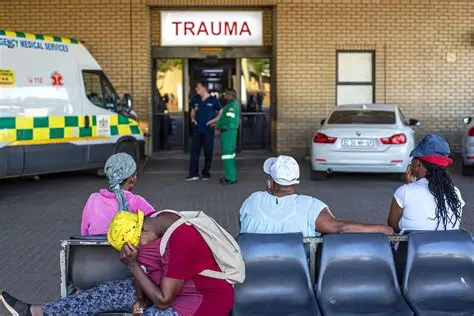
“The South African Health Products Regulatory Authority (SAHPRA) has announced urgent recalls of widely used medicines and medical devices due to safety and labeling concerns, including hypertension drugs and cardiac care kits. Hospitals, pharmacies, and patients are urged to verify affected batches immediately to prevent risks to public health.”
South Africa’s healthcare system is facing a significant challenge following the announcement of urgent recalls by the South African Health Products Regulatory Authority (SAHPRA). The recalls, issued on 19 August 2026, involve critical medicines and medical devices widely used in hospitals and clinics across the country. This move underscores SAHPRA’s vigilance in safeguarding public health but also highlights vulnerabilities in supply chains and manufacturing oversight.
Details of the Recalls
- Percutaneous Insertion Kits (PIKs): Manufactured by Maquet Cardiopulmonary GmbH and supplied locally by Surgical Innovation. Failures were detected during sterile-barrier integrity testing, raising contamination concerns. Six lot numbers are affected, classified as Class II Type B recalls.
- Frusemide Injections (20 mg/2 ml Fresenius): Nine batches recalled due to incorrect expiry dates printed on packaging. While the medicine remains safe, labeling errors could cause confusion in stock management. Classified as Class III Type B recalls.
- Enalapril Tablets (10 mg Arya): Commonly prescribed for hypertension, certain batches failed post-marketing surveillance tests. Classified as Class II Type B recalls.
Impact on Healthcare Providers
Hospitals and pharmacies must urgently audit their inventories. Cardiac care units relying on PIKs and hypertension clinics prescribing Enalapril face immediate disruption. Surgical Innovation has pledged to arrange collection and credits, but logistical challenges remain. The recalls highlight the fragility of South Africa’s medical supply chains, especially in critical care.
Public Health Concerns
For patients, the recalls raise anxiety about medicine safety. Hypertension is a widespread condition in South Africa, and Enalapril is a frontline treatment. Any disruption in availability could have cascading effects on cardiovascular health outcomes. Similarly, Frusemide is essential for managing fluid retention in heart failure patients, making accurate labeling critical.
Broader Context
This incident comes amid growing concerns about South Africa’s pharmaceutical industry. Recent reports suggest that government procurement policies are squeezing local manufacturers, leading to job losses and drug shortages. The recalls therefore not only represent a public health emergency but also expose systemic weaknesses in the country’s healthcare infrastructure.
Expert Perspectives
- Pharmacologists warn that recalls of hypertension drugs could lead to spikes in uncontrolled blood pressure cases.
- Cardiologists emphasize that cardiac patients dependent on PIKs face heightened risks if replacements are delayed.
- Public health officials argue that stronger regulatory frameworks and supply chain monitoring are urgently needed.
Community Impact
Patients are being urged to check batch numbers and consult healthcare providers for alternatives. Pharmacies are under pressure to provide clear communication to avoid panic. Civil society groups are calling for transparency from manufacturers and regulators to rebuild trust in the system.
Way Forward
Experts recommend:
- Strengthening post-marketing surveillance to detect issues earlier.
- Improving supply chain resilience to prevent shortages.
- Enhancing public communication strategies to reduce anxiety and misinformation.
- Supporting local pharmaceutical manufacturing to reduce reliance on imports.
Conclusion
The SAHPRA recalls serve as a stark reminder of the delicate balance between safeguarding public health and maintaining reliable access to essential medicines. While the immediate priority is ensuring patient safety, the long-term challenge lies in reforming South Africa’s pharmaceutical ecosystem to prevent similar crises in the future.



