




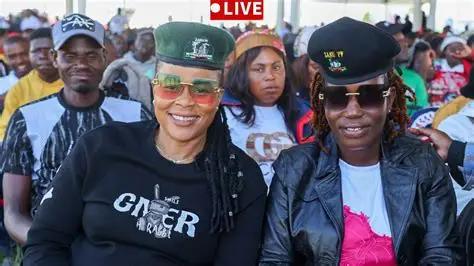
“South Africa is commemorating the 50th anniversary of the Soweto Student Uprising, a defining moment in the anti-apartheid struggle, with national events led by President Cyril Ramaphosa in Johannesburg. The commemoration highlights both the sacrifices of 1976 and the urgent need to address modern challenges such as unemployment, inequality, and youth empowerment.”
The streets of Johannesburg and Soweto are alive with remembrance and reflection as South Africa marks the 50th anniversary of the Soweto Student Uprising of June 16, 1976. This historic event, when thousands of Black students courageously protested against the apartheid government’s imposition of Afrikaans as a medium of instruction, remains one of the most powerful symbols of resistance in the nation’s cultural memory. Today, the golden jubilee commemoration is not only a tribute to the past but also a call to action for the present generation.
Remembering 1976
On that fateful day, students marched peacefully, demanding the right to be educated in their own languages and rejecting the oppressive Bantu Education system. The protest quickly turned tragic when police opened fire, killing and injuring scores of young people. Among them was Hector Pieterson, whose image being carried by a fellow student became an iconic representation of the brutality of apartheid. The uprising spread across Johannesburg and beyond, galvanizing international condemnation and strengthening the anti-apartheid movement.
National Commemoration in 2026
This year’s commemoration, held at the FNB Stadium precinct in Nasrec, Johannesburg, is led by President Cyril Ramaphosa. Under the theme “RESET @50 – Our National Commitment to the Future”, the event seeks to bridge the memory of 1976 with the realities of 2026. Ramaphosa’s keynote address emphasizes that while the youth of 1976 fought against racial oppression, today’s youth must confront challenges such as unemployment, poverty, inequality, gender-based violence, and digital exclusion.
The ceremony includes cultural performances, speeches from survivors and families of victims, and exhibitions at the Hector Pieterson Memorial and Museum. Families of those killed in Alexandra Township two days after the Soweto march have also called for greater recognition, arguing that their loved ones remain excluded from national memory.
Linking Past and Present
The commemoration is not merely ceremonial; it is deeply intergenerational. For many South Africans, the uprising represents the courage and sacrifice that paved the way for democracy in 1994. Yet, as commentators note, the promise of democracy has not fully translated into economic freedom. Youth unemployment remains alarmingly high, with millions of young South Africans struggling to find opportunities in a stagnant economy.
Ramaphosa’s message is clear: the energy and activism of the youth must now be directed toward rebuilding communities, driving innovation, and strengthening democracy. He urged young people to embrace education, entrepreneurship, and civic participation as tools to shape the future. The government, he acknowledged, must do more to unlock youth potential through training, employment programs, and digital access.
Cultural Significance
The Soweto Uprising is more than a political milestone; it is a cultural touchstone. It reshaped South African identity, inspiring music, literature, and art that continue to resonate today. The anniversary is being marked not only by official ceremonies but also by grassroots initiatives—community dialogues, art exhibitions, and social media campaigns that reinterpret the legacy of 1976 for a digital generation. The uprising’s spirit of defiance and resilience remains embedded in South Africa’s cultural DNA.
Looking Ahead
As South Africa reflects on 50 years since Soweto, the commemoration underscores a dual reality: immense progress in dismantling apartheid and persistent struggles in achieving true equality. The youth of 2026 face different battles, but the lessons of 1976 remain relevant—courage, unity, and the refusal to accept injustice. The golden jubilee is thus both a remembrance and a rallying cry, reminding South Africans that freedom is not static but must be continually renewed.



