




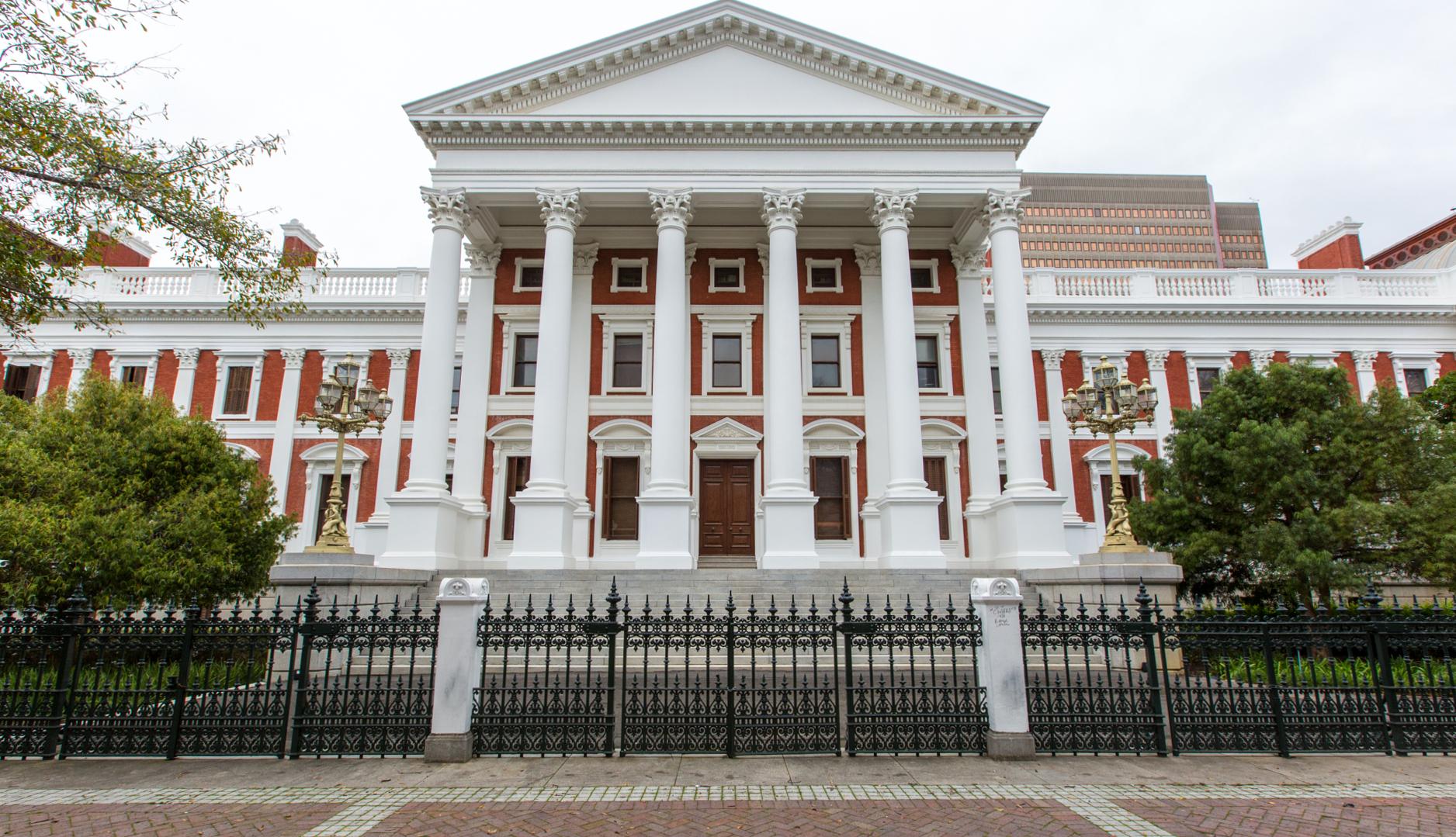
“South Africa’s Department of Home Affairs is in the process of amending marriage legislation to establish 18 as the minimum legal age for marriage, with the proposed reform intended to bring civil and customary marriage laws into greater alignment with the Constitution. The development has renewed debate about child and forced marriages, particularly following concerns raised in Parliament about reports of girls as young as 13 being forced into marriage in parts of KwaZulu-Natal.”
South Africa advances marriage law reform amid child-marriage concerns
South Africa has taken another significant step towards reforming its marriage laws, with the Department of Home Affairs working on legislation that would establish 18 years as the minimum legal age for marriage. The development has emerged as one of the country’s important legislative stories on 7 October 2026 because it combines questions of constitutional rights, child protection, customary law, gender equality and the responsibilities of the state to prevent forced marriages.
Women, Youth and Persons with Disabilities Minister Sindisiwe Chikunga disclosed the development in response to parliamentary questions concerning allegations of forced marriages involving young women in KwaZulu-Natal. According to the minister, Home Affairs is amending marriage legislation to align the minimum legal marriage age with the Constitution and to eliminate inconsistencies between different forms of marriage recognised under South African law.
The proposed change forms part of the broader Marriage Bill, which seeks to replace South Africa’s separate legal frameworks for civil marriages, customary marriages and civil unions with a more unified legislative system. Parliament’s information on the Bill says it is intended to provide for the recognition, solemnisation and registration of marriages, while also addressing marriage officers, property consequences, dissolution, offences and penalties.
Why the proposed 18-year minimum matters
Under South Africa’s existing legal framework, marriage by people below 18 can be permitted in certain circumstances where the required parental or other consent is obtained. The proposed legislation would fundamentally change that position by making 18 the minimum age for both prospective spouses.
Parliament has previously explained that the Bill seeks to prohibit marriages involving children and would require both people entering a marriage to be at least 18 years old. It would also create offences and penalties relating to marriages involving minors and the solemnisation of such marriages.
The reform is therefore about more than changing a number in legislation. Supporters see it as a mechanism for strengthening children’s rights and protecting young people from situations in which marriage may be arranged without genuine, free and informed consent.
The issue has particular significance in communities where traditional practices, family expectations and economic circumstances can influence marriage decisions. The government’s challenge is to ensure that cultural and religious traditions are respected while maintaining constitutional protections for children and vulnerable people.
Parliament has already heard competing views
The proposed 18-year threshold has been debated extensively during Parliament’s public participation process. While there has been broad support for preventing child marriages, the question of whether 18 is sufficiently high has generated different opinions.
During public hearings, some communities supported 18 as an appropriate age because it corresponds with the age at which a person is generally regarded as an adult under South African law. Others argued that the threshold should be increased to 21 because young adults may still be completing their education and may not yet have the emotional or financial maturity that marriage can require.
In February 2026, residents in Limpopo’s Vhembe District largely supported the proposed 18-year minimum. Participants argued that the measure could help prevent child marriages and strengthen protection for young people.
The disagreement illustrates the complexity facing lawmakers. A law must establish a clear and enforceable standard, but Parliament must also consider public submissions, constitutional principles and South Africa’s cultural diversity.
Forced marriage concerns add urgency
The latest development has been linked directly to concerns about forced marriages in KwaZulu-Natal. National Assembly member Makoti Khawula raised allegations that girls as young as 13 have been forced into marriage in some communities.
Minister Chikunga said the government had been informed of such concerns during consultations linked to the Adolescent Pregnancy National Strategic Plan. She indicated that forced marriages and related abuses involving minors can constitute criminal conduct and that suspected violations should be reported to law-enforcement authorities.
The issue also raises concerns about ukuthwala, a traditional practice that has historically been associated in some cases with the abduction or forced marriage of young women and girls. South African law does not permit kidnapping or forced marriage simply because such conduct is claimed to be traditional.
Consequently, the proposed marriage reforms sit within a much wider discussion about how the law should protect individual rights while recognising legitimate cultural practices.
A single marriage framework
One of the most important aspects of the Marriage Bill is that it is not exclusively an underage-marriage law. It represents a broader attempt to modernise and consolidate South Africa’s marriage system.
Parliament has described the legislation as an attempt to rationalise laws governing different types of marriages under a single statute. The proposed framework would recognise marriages regardless of religion, culture, sexual orientation or other beliefs, while continuing to recognise marriages validly concluded before the new legislation comes into operation.
That approach reflects South Africa’s constitutional system, which places equality, dignity and freedom of belief at the centre of the legal order.
At the same time, the proposed legislation has generated questions about how traditional and religious marriages should be regulated. Some participants in Parliament’s hearings expressed concern that placing different forms of marriage under one framework could fail to adequately recognise cultural and religious diversity.
The debate over 18 versus 21
The disagreement over the appropriate minimum age is likely to remain part of the political debate as the legislation progresses.
Those supporting 18 argue that it provides a clear standard consistent with adulthood and existing constitutional and statutory principles. It also avoids creating a situation in which adults are legally recognised as capable of making many important decisions but are prohibited from marrying until a later age.
Those advocating 21, however, argue that legal adulthood does not necessarily mean that a person is emotionally, educationally or financially prepared for marriage. Parliament’s public hearings recorded these concerns, with some participants saying that young people should have more time to complete education and establish themselves before entering marriage.
The debate therefore extends beyond child protection. It touches on personal autonomy, family formation, education and the role of government in regulating private relationships.
What happens next?
The proposed legislation is not yet law. Parliament’s own explanation of the legislative process makes clear that a Bill must complete the required parliamentary stages before it can become an Act. Depending on the Bill and its constitutional classification, this involves consideration and approval by the relevant parliamentary houses before it is sent to the President for assent.
The Marriage Bill was initially introduced as B43-2023. Parliament records that it was introduced on 13 December 2023 and was sponsored by the Minister of Home Affairs. The Bill subsequently became part of the post-election legislative process, with public hearings providing an opportunity for communities and organisations to influence its development.
Parliament’s Home Affairs Committee has said that public submissions would inform its deliberations and that responses would also be sought from relevant government departments.
This means that further amendments remain possible before the final legislation is adopted.
Broader implications for South African politics
The marriage-law debate demonstrates how legislation can become a meeting point for several major political and social questions. It involves constitutional rights, traditional leadership, women’s rights, children’s rights, religious freedom and the government’s responsibility to prevent abuse.
The proposed reform also illustrates the importance of public participation in South Africa’s legislative system. Rather than simply imposing a new marriage-age rule, Parliament has conducted hearings in different parts of the country and considered submissions supporting both 18 and 21.
For the government, the central challenge will be ensuring that whatever legislation eventually emerges is sufficiently clear to enforce. A minimum age of 18 will have limited impact if officials, marriage officers, families and communities are unaware of the requirements or if violations are not effectively investigated.
The success of the reform will therefore depend not only on Parliament passing the legislation but also on implementation by Home Affairs, law-enforcement agencies, courts, community organisations and traditional structures.
Conclusion
South Africa’s move towards establishing 18 as the minimum legal age for marriage represents a significant development in the country’s ongoing reform of marriage legislation. The proposed change is intended to eliminate inconsistencies between civil and customary marriage laws while strengthening protection against child and forced marriages.
The debate, however, is far from settled. While many stakeholders support ending child marriage, some communities believe the minimum should be raised to 21, while others have raised concerns about cultural and religious recognition under a single marriage framework.
As the Marriage Bill continues through Parliament, the final outcome will be closely watched because it could reshape how South Africa legally recognises and regulates marriage. Most importantly, the legislation will test whether the country can balance cultural diversity and personal freedom with its constitutional commitment to equality, dignity and the protection of children.



