




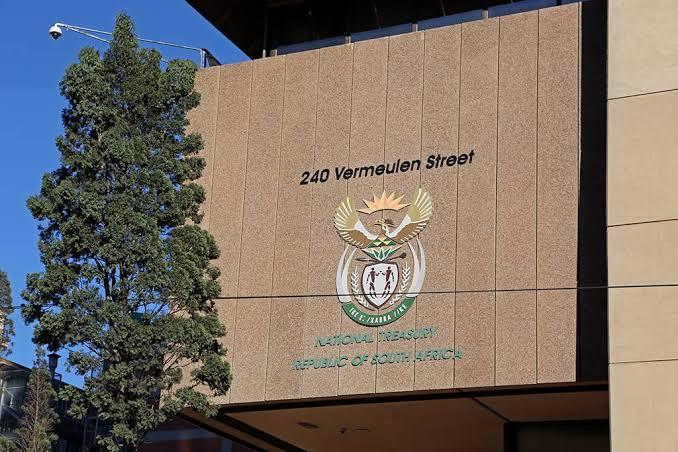
“South Africa’s National Treasury has published the draft Public Finance Management and Related Laws Amendment Bill, 2026, proposing a major overhaul of the country’s public finance management framework, including a statutory fiscal anchor, stronger financial accountability and changes to oversight legislation. The proposals form part of government’s broader efforts to improve fiscal sustainability, strengthen public expenditure controls and increase accountability across national and provincial government institutions.”
South Africa Moves Towards Major Public Finance Law Reforms as Treasury Proposes New Fiscal Accountability Framework
Introduction
South Africa is moving towards an important transformation of its public finance management legislation following the publication of the draft Public Finance Management and Related Laws Amendment Bill, 2026, by National Treasury on 5 November 2026.
The proposed legislation represents a significant development in the country’s political, economic and governance landscape because it seeks to strengthen the legal framework governing how public institutions manage government revenue, expenditure, borrowing and financial accountability.
The proposed reforms come at a time when South Africa continues to address challenges involving government debt, financial mismanagement, public expenditure, municipal financial instability and the need to improve the delivery of public services.
The draft Bill is particularly important because it proposes amendments to legislation that has governed public financial management for many years. It also introduces a framework intended to strengthen fiscal discipline while improving transparency and parliamentary oversight.
According to the publication by Acts Online, the proposal includes amendments to the Public Finance Management Act, the Money Bills Amendment Procedure and Related Matters Act, the Financial and Fiscal Commission Act and the Public Audit Act.
The proposed changes should therefore be understood as part of a wider government effort to improve the relationship between public spending, financial accountability and constitutional governance.
Background to South Africa’s proposed legislative reforms
South Africa’s public finance management framework plays an important role in ensuring that public money is collected, allocated and spent according to approved government priorities.
The Public Finance Management Act, No. 1 of 1999, commonly known as the PFMA, provides an important legal foundation for financial management in national and provincial government departments and public entities.
It establishes responsibilities for accounting officers and other officials involved in managing public resources.
Over the years, however, financial governance challenges have continued to attract public and parliamentary attention.
These include irregular expenditure, weaknesses in internal controls, poor financial reporting, inadequate consequence management and difficulties in ensuring that public institutions meet their financial responsibilities.
The latest reform proposal seeks to address weaknesses in the legislative framework and strengthen the mechanisms through which government institutions are expected to manage public funds.
The proposed changes also form part of the government’s broader fiscal strategy presented during the 2026 Medium-Term Budget Policy Statement.
Finance Minister Enoch Godongwana explained that government intends to strengthen fiscal sustainability through improved expenditure management, debt management and a principle-based fiscal anchor.
The proposed fiscal anchor and its importance
One of the central elements of the proposed reforms is the introduction of a statutory fiscal anchor.
A fiscal anchor is a framework intended to guide government financial decisions and maintain sustainable public finances over time.
South Africa’s proposed approach is based on establishing fiscal sustainability as an important standard within the public finance management framework.
Rather than relying exclusively on a rigid numerical target, the government’s proposal envisages administrations setting fiscal objectives consistent with their electoral mandates.
Those administrations would then be expected to report on their progress through the national budget process and explain significant deviations from their stated objectives.
This is important because fiscal decisions made by one administration can have financial consequences for future administrations.
A government that accumulates excessive debt or makes spending commitments without sustainable funding arrangements may leave future governments with fewer resources for infrastructure, education, healthcare and other public services.
The proposed fiscal anchor is intended to strengthen long-term financial planning while allowing administrations some flexibility to respond to changing economic conditions.
The Finance Minister also indicated that the Financial and Fiscal Commission would receive an expanded responsibility to independently report on whether the fiscal framework is consistent with an administration’s financial plans.
Amendments to the Public Finance Management Act
The Public Finance Management Act is central to the proposed legislative changes.
The legislation establishes financial management responsibilities for government departments and public entities.
These responsibilities include preparing budgets, controlling expenditure, maintaining financial records, reporting on financial performance and ensuring that public resources are used for authorised purposes.
The proposed amendments seek to modernise this framework and strengthen its ability to respond to contemporary financial governance challenges.
For government departments, this could mean greater emphasis on financial planning, compliance, accountability and the responsibilities of officials who exercise authority over public funds.
For accounting officers, the reforms are particularly relevant because their responsibilities are closely connected to the management and oversight of public finances.
Effective financial management requires more than preparing annual budgets. Institutions must also ensure that expenditure is properly authorised, procurement processes comply with applicable requirements and financial information is accurate.
The proposed changes are intended to strengthen the legislative environment supporting these responsibilities.
However, the final implications will depend on the wording adopted after consultation and the parliamentary legislative process.
Repeal of the Exchequer Act
Another important aspect of the draft Bill is the proposed formal repeal of the Exchequer Act, No. 66 of 1975.
The Exchequer Act belongs to an earlier period in South Africa’s public financial administration system.
Its proposed repeal forms part of the wider effort to modernise the country’s financial legislation and consolidate the legal framework around more contemporary public finance management arrangements.
The reform is significant because legislation should reflect the institutional and constitutional environment in which government currently operates.
South Africa’s constitutional democracy requires public institutions to exercise financial authority within a framework of accountability, transparency and lawful administration.
Modernising older financial legislation can help reduce inconsistencies and improve the relationship between different laws governing public resources.
Nevertheless, repealing an older statute does not automatically resolve the practical challenges experienced by government departments.
Successful implementation will depend on institutional capacity, clear regulations, effective monitoring and consistent enforcement.
Changes affecting parliamentary financial oversight
The proposed reforms also involve amendments to the Money Bills Amendment Procedure and Related Matters Act.
This legislation governs how Parliament considers and processes financial legislation, including procedures relating to amendments to money bills.
Parliament plays a constitutional role in examining government spending proposals, scrutinising national revenue arrangements and holding the Executive accountable for financial decisions.
The proposed amendments are therefore relevant to the relationship between the legislative and executive branches of government.
Stronger parliamentary oversight can help ensure that government financial decisions receive appropriate scrutiny.
It can also improve public understanding of how national resources are allocated among different priorities.
Parliament’s role is particularly important when government introduces new spending commitments, adjusts existing budgets or proposes changes to revenue collection.
The South African Government’s explanation of Parliament’s functions confirms that the institution is responsible for lawmaking, oversight and facilitating public participation.
The role of the Financial and Fiscal Commission
The proposed changes to the Financial and Fiscal Commission Act are another important component of the reform programme.
The Financial and Fiscal Commission provides independent advice on financial and fiscal matters affecting government.
Its work is relevant to the allocation of resources between national, provincial and local government.
This relationship is important because South Africa operates a system of cooperative government in which different spheres have separate but interconnected responsibilities.
National government collects significant revenue, while provincial and municipal administrations are responsible for delivering many essential services.
A stronger independent fiscal oversight framework could contribute to more informed discussions about government spending priorities and financial sustainability.
The proposed fiscal anchor also places importance on independent reporting concerning the consistency of government fiscal plans.
Such reporting could help Parliament and the public assess whether financial commitments are supported by credible plans.
However, the practical value of independent oversight will depend on access to reliable information, institutional independence and the ability of oversight bodies to communicate their findings effectively.
Strengthening public auditing and accountability
The proposed amendments to the Public Audit Act are also significant.
Public auditing provides an important mechanism for examining whether government institutions manage financial resources in accordance with applicable laws and financial reporting standards.
Auditors assess financial statements, compliance and other matters relevant to public accountability.
Where weaknesses are identified, government institutions are expected to address the findings and improve their financial management systems.
The proposed amendments form part of the wider effort to strengthen institutional oversight and reporting mechanisms.
For South Africa, this is important because public financial accountability affects the credibility of government institutions.
Citizens expect public money to be managed responsibly and used to support services that improve living conditions.
Where financial controls are weak, the consequences can extend beyond accounting irregularities.
They can affect infrastructure maintenance, municipal services, school facilities, healthcare resources and other essential government responsibilities.
Improved auditing arrangements may contribute to better accountability, although auditing must be supported by effective investigations and appropriate consequences where wrongdoing is established.
Municipal financial management and local government
The national public finance reform programme also has important implications for municipalities.
National Treasury has published a companion draft Local Government: Municipal Finance Management Amendment Bill, 2026, according to the legislative reporting by Acts Online.
Municipal financial management is especially important because local authorities are responsible for delivering essential services, including water, sanitation, electricity-related services, waste management and local infrastructure.
Financial instability at municipal level can affect the ability of municipalities to meet these responsibilities.
Weak revenue collection, unpaid creditors, unauthorised expenditure and poor financial planning can place significant pressure on municipal budgets.
The proposed local government amendments should therefore be considered alongside the national public finance reforms.
Municipalities require effective financial management systems to ensure that their budgets reflect realistic revenue expectations and service-delivery priorities.
They also need appropriate financial controls to prevent resources from being diverted from approved programmes.
The reform programme could create an opportunity to strengthen financial governance across the different spheres of government.
However, municipalities differ considerably in their administrative capacity and financial circumstances.
Implementation will therefore need to take account of these differences.
Economic implications of the proposed reforms
The proposed legislation has implications beyond government accounting and administration.
Public financial management influences economic confidence, government borrowing requirements, investment decisions and the availability of resources for development.
When government spending is supported by credible financial plans, it can help create a more predictable environment for businesses and investors.
Conversely, uncertainty surrounding government finances can increase concerns about borrowing costs, debt sustainability and future taxation.
South Africa’s fiscal position has been an important part of recent economic policy discussions.
In his October 2026 Medium-Term Budget Policy Statement, Finance Minister Godongwana reported that government debt had stabilised at 78.4% of GDP in the 2025/26 financial year. He also outlined plans to strengthen the primary budget surplus and reduce the budget deficit over the medium term.
The proposed legislative reforms are connected to these objectives because they seek to establish stronger rules and accountability arrangements for managing public finances.
For businesses, improved financial governance could support confidence in the country’s fiscal and regulatory environment.
For investors, predictable government financial management can be an important consideration when assessing the economic environment.
For ordinary households, the implications are also significant.
Government financial decisions influence the resources available for social programmes, public infrastructure, education, healthcare and other services.
However, the proposed reforms should not be interpreted as an immediate guarantee of lower taxes, cheaper borrowing or improved service delivery. Those outcomes will depend on wider economic conditions and how effectively the reforms are implemented.
Implications for government departments and public officials
Government departments and public entities will need to follow the legislative process closely.
If the proposed amendments are adopted, institutions may need to review their internal financial policies, reporting procedures and accountability arrangements.
Accounting officers, chief financial officers, internal auditors and financial management teams are among the officials whose responsibilities could be affected.
Departments will need to ensure that their financial management systems are aligned with the final legislative requirements.
This may involve reviewing procurement controls, expenditure authorisation procedures, budget monitoring systems and reporting arrangements.
Public institutions may also need to strengthen cooperation between financial management teams and senior administrative leadership.
Effective implementation will require training and institutional support.
It would be difficult to achieve meaningful improvements through legislative amendments alone if government departments lack the necessary skills, technology and administrative resources.
The government will therefore need to consider how institutions can comply with the proposed requirements without creating unnecessary administrative burdens.
Public participation and parliamentary scrutiny
The publication of draft legislation creates an opportunity for stakeholders to examine the proposals and contribute to the legislative process.
Public participation is an important feature of South Africa’s constitutional democracy.
It allows affected organisations, professional bodies, civil society groups and members of the public to raise concerns and make recommendations.
For the public finance reform programme, relevant stakeholders include accounting professionals, economists, public sector administrators, municipal representatives, business organisations, civil society organisations and academic institutions.
These groups may provide information about the practical challenges associated with implementing financial legislation.
Professional organisations can also examine whether the proposed changes are consistent with recognised accounting and auditing practices.
Parliamentary committees will have an important responsibility to examine the proposals and consider relevant submissions.
The process should establish whether the amendments are sufficiently clear, practical and consistent with the Constitution and other legislation.
The public should also be able to understand what the proposed changes mean for the management of public resources.
A transparent legislative process can improve the quality of legislation and strengthen public confidence in government decision-making.
Potential implementation challenges
Despite the objectives of the proposed reforms, several implementation challenges will need attention.
First, government institutions have different levels of financial management capacity.
Some departments and public entities have established financial systems, while others continue to experience weaknesses in administration, reporting and internal controls.
Second, stronger accountability requirements will need to be supported by effective monitoring.
Financial legislation cannot produce meaningful improvements if institutions fail to identify and address non-compliance.
Third, there is a need to ensure that financial oversight arrangements do not create excessive administrative complexity.
Public officials must understand their responsibilities and have access to practical guidance.
Fourth, the relationship between national, provincial and local government financial systems must remain clear.
Because government operates through different spheres, reforms should support cooperation and avoid creating conflicting financial obligations.
Finally, implementation must be accompanied by adequate resources, professional training and effective institutional leadership.
These considerations will be important as government moves from proposing legislative changes towards implementation.
What South Africans should watch next
The next important developments will involve the consultation process, the finalisation of the draft legislation and its consideration through the appropriate parliamentary procedures.
South Africans should distinguish between draft proposals, Bills formally introduced in Parliament and legislation that has been passed and brought into operation.
The draft PFMA reforms are not automatically enforceable simply because National Treasury has published them.
The government must complete the relevant legislative procedures before amendments can become law.
The public should also monitor the accompanying municipal finance reforms because local government financial management directly affects service delivery.
The relationship between the proposed fiscal anchor, public expenditure controls and independent financial oversight will be particularly important.
These measures will help determine whether the reform programme creates a practical and sustainable improvement in public financial accountability.
Conclusion
South Africa’s proposed Public Finance Management and Related Laws Amendment Bill, 2026, represents an important development in the country’s legislative and governance environment.
The proposed reforms seek to modernise public finance legislation, strengthen fiscal accountability, improve financial oversight and establish a clearer framework for managing government resources.
The proposed statutory fiscal anchor is particularly significant because it aims to connect government financial commitments with longer-term fiscal sustainability.
Changes affecting public auditing, parliamentary oversight and municipal financial management also demonstrate the broad institutional reach of the reform programme.
Nevertheless, the success of the proposals will depend on the quality of the final legislation and the government’s ability to implement the changes effectively.
For South Africans, the central issue is not simply whether new financial laws are introduced, but whether those laws contribute to more transparent public spending, stronger accountability and improved public services.
As the proposals progress through consultation and legislative consideration, Parliament, government institutions and the public will have important roles in determining the final direction of the reforms.
The coming months will therefore be important for assessing how South Africa intends to strengthen its public finance management framework and ensure that public resources are managed responsibly for present and future generations.



