




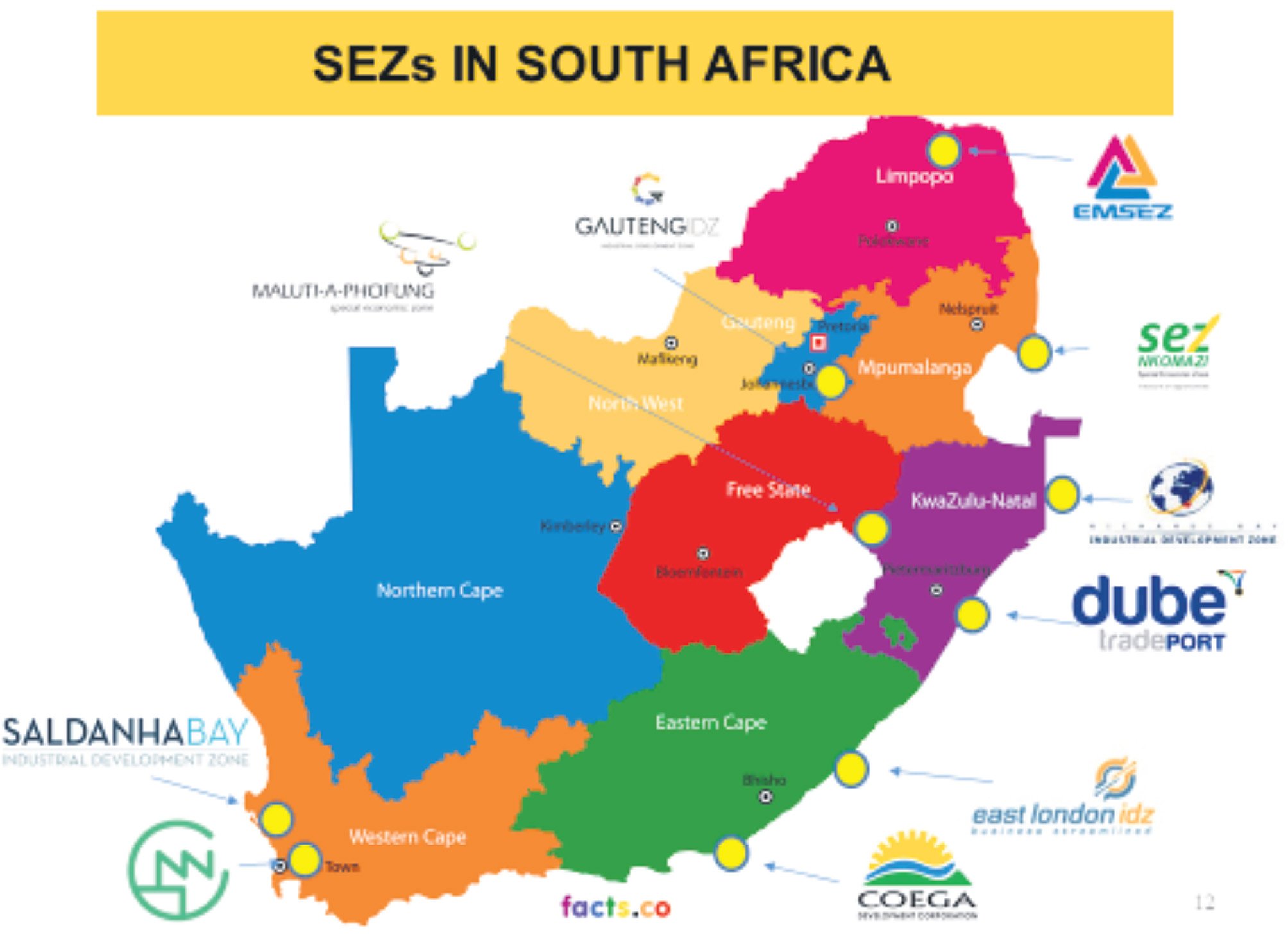
“South Africa is weighing a major policy shift to extend a 15% corporate tax rate across all SEZs, following World Bank recommendations to reverse its manufacturing slump. The reform could unlock billions in corporate reserves, attract global investors, and reposition South Africa as Africa’s industrial powerhouse.”
South Africa’s industrial sector, once the backbone of its economy, has steadily declined from contributing 25% of GDP in the 1980s to just 12% today. In response, the government is considering bold tax reforms that would extend a uniform 15% corporate tax rate across all Special Economic Zones (SEZs). This policy shift, recommended by the World Bank, is seen as a potential catalyst for industrial revival, foreign investment, and regional economic leadership.
Current SEZ Regime
- Existing framework: Only 6 of South Africa’s 13 SEZs currently benefit from the lower tax rate.
- Approval bottleneck: Finance ministry approval is required, creating bureaucratic delays.
- Proposed reform: Automatic application of the 15% rate across all SEZs, eliminating red tape.
Strategic Objectives
- Unlocking reserves: South African corporations hold approximately R1.8 trillion ($109 billion) in cash reserves.
- Global competitiveness: Morocco recently overtook South Africa as Africa’s most industrialized economy, leveraging tax incentives and subsidized utilities.
- Industrial revival: Lower taxes could stimulate investment in value-added industries, particularly mining beneficiation and manufacturing.
Economic Impact
- Manufacturing boost: The reform could attract investors like Rio Tinto and Ardagh Group.
- Job preservation: Linked to discounted electricity tariffs for ferrochrome producers, ensuring smelters remain operational.
- Infrastructure development: Recommendations include dedicated funding and privately managed SEZs.
Risks & Challenges
- Revenue shortfall: Lower corporate taxes may reduce government revenue, requiring fiscal balancing.
- Political hurdles: Buy-in from the finance ministry is essential.
- Investor confidence: Policy uncertainty remains a barrier; reforms must be credible and consistent.
Broader Implications
- Regional leadership: A revitalized South African industrial base could lift GDP growth across Southern Africa.
- Strategic minerals: Unlocking value from South Africa’s $40 trillion mineral reserves is a long-term goal.
- Private sector role: Encouraging privately managed SEZs could improve efficiency and reduce corruption risks.
Closing Analysis
This tax reform debate marks a critical inflection point for South Africa’s business policy. If implemented, it could restore industrial competitiveness, attract foreign capital, and reposition the country as a continental leader. However, the balancing act between stimulating growth and safeguarding fiscal stability will determine whether this policy becomes a transformative success or another stalled reform.



