




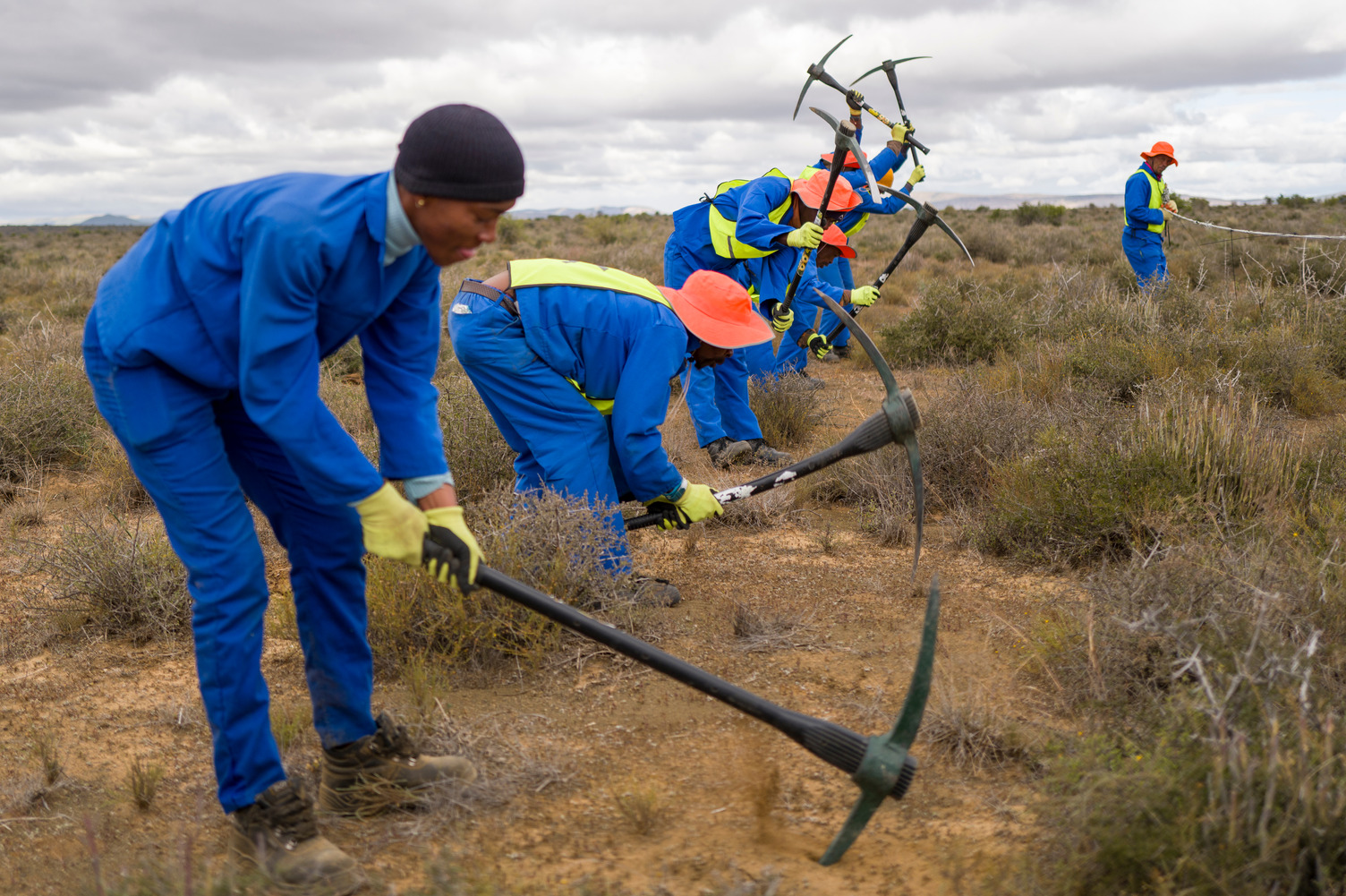
“South Africa is leading calls at the UNCCD COP17 for a legally binding international protocol on drought, alongside increased financing for land restoration. The country has already restored 2.9 million hectares of degraded land but aims to expand this to 8 million hectares, requiring significant global support.”
South Africa has stepped onto the global stage at the 17th Conference of the Parties to the United Nations Convention to Combat Desertification (UNCCD COP17) in Ulaanbaatar, Mongolia, with a bold call: the world must adopt a legally binding protocol on drought. Deputy Minister of Forestry, Fisheries and the Environment, Bernice Swarts, is spearheading the delegation, emphasizing that drought and land degradation are not abstract environmental issues but existential threats to South Africa’s water security, food production, rural livelihoods, and economic resilience.
South Africa’s Environmental Context
- Land degradation affects millions of hectares, undermining agriculture and biodiversity.
- Drought cycles have intensified due to climate change, leaving rural communities vulnerable.
- Water scarcity is a pressing issue, with reservoirs and aquifers under strain.
South Africa has already restored 2.9 million hectares of degraded land under its Land Degradation Neutrality (LDN) targets, but the revised national goal is far more ambitious: 8 million hectares restored, rehabilitated, or sustainably managed.
Why a Binding Protocol Matters
Deputy Minister Swarts argues that voluntary commitments are insufficient. A binding protocol would:
- Ensure predictable financing for drought resilience.
- Establish accountability mechanisms for nations.
- Promote international cooperation in technology transfer and capacity building.
This push aligns with South Africa’s role as Africa’s drought champion, nominated by the African Ministerial Conference on the Environment.
Global Implications
The theme of COP17, “Restoring Land, Restoring Hope”, underscores the urgency of collective action. South Africa’s proposal resonates globally because:
- Droughts are intensifying worldwide, from the Sahel to California.
- Food security is increasingly fragile, with climate shocks disrupting supply chains.
- Migration pressures are rising as communities abandon degraded lands.
By advocating for a binding protocol, South Africa is positioning itself as a moral and practical leader in climate diplomacy.
Challenges Ahead
Despite the urgency, several challenges loom:
- Financing gaps: Land restoration requires billions in investment, yet donor fatigue persists.
- Political resistance: Some nations fear binding commitments could constrain economic growth.
- Implementation hurdles: Monitoring and enforcement mechanisms must be robust to avoid symbolic agreements.
South Africa acknowledges these challenges but insists that inaction is costlier.
National Achievements and Lessons
South Africa’s domestic experience strengthens its credibility:
- Community-based restoration projects have shown success in rehabilitating degraded landscapes.
- Gender-responsive frameworks ensure women, often the most affected by drought, are central to solutions.
- Integration into national planning has made restoration efforts more sustainable.
These lessons are being shared at COP17 as models for other nations.
Voices from the Ground
Civil society groups and rural communities echo the government’s urgency:
- Farmers highlight crop failures linked to erratic rainfall.
- NGOs stress the need for inclusive participation in global negotiations.
- Youth activists demand climate justice, arguing that drought disproportionately affects marginalized groups.
Conclusion
South Africa’s call for a binding drought protocol at UNCCD COP17 is more than a diplomatic gesture—it is a survival strategy. With 8 million hectares targeted for restoration, the country is demonstrating both ambition and responsibility. Yet, without global solidarity and financing, these efforts risk falling short.
COP17 may well be remembered as the moment when South Africa pushed the world to confront the silent crisis of drought with the seriousness it deserves.



