




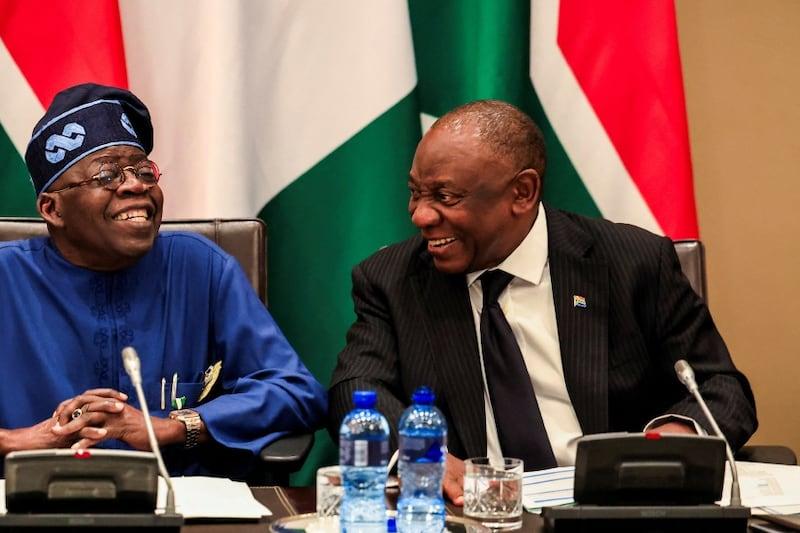
“South Africa has reaffirmed its longstanding relationship with Nigeria, emphasising shared African identity, historical solidarity, Ubuntu, culture and people-to-people connections despite recent tensions involving migration and xenophobia. Deputy High Commissioner Lindy Mminele’s remarks in Abuja underline Pretoria’s continued emphasis on dialogue and cooperation with one of Africa’s most important diplomatic and economic partners.”
South Africa Reaffirms Nigeria Ties as Ubuntu, Culture and Shared History Shape Bilateral Relations
South Africa has renewed its emphasis on close relations with Nigeria, highlighting shared African identity, historical solidarity and cultural exchange at a time when bilateral ties have faced pressure over migration, xenophobia and the treatment of Nigerians in South Africa. The message was delivered by South Africa’s Deputy High Commissioner to Nigeria, Ambassador Lindy Mminele, at the 2026 Heritage Day celebration in Abuja, where she stressed unity and Ubuntu as principles for relations between the two countries.
The development is significant because Nigeria and South Africa are two of Africa’s influential political and economic powers. This matters for both countries. Their relationship reaches beyond diplomacy into trade, investment, tourism, entertainment, education, security and people-to-people links.
A Message of Unity
According to the report published by THIS DAY on October 2, Mminele told diplomats, officials, tourism stakeholders and South Africans living in Nigeria that South Africa had chosen unity, Ubuntu and the ties connecting the two countries. She linked the relationship to a shared history that existed before democratic South Africa was established in 1994.
Nigeria played an important role in opposing apartheid and supporting the liberation struggle in Southern Africa. For Pretoria, that history remains an important part of the diplomatic relationship. The envoy’s remarks presented the relationship not simply as a current government-to-government partnership, but as one built through decades of political solidarity and African cooperation.
South Africa and Nigeria have experienced disagreements over migration, violence against foreign nationals, visa issues and other matters. Nevertheless, both governments have continued to use formal diplomatic channels to address concerns.
Recent Tensions Over Migration
Migration has become one of the most sensitive areas in South Africa-Nigeria relations. Nigerian officials have raised concerns about the safety of Nigerian citizens in South Africa, particularly following reports of xenophobic attacks and threats against African migrants. South African authorities have said the government opposes xenophobia, racism and discrimination.
Earlier in 2026, South Africa and Nigeria engaged in diplomatic discussions on migration, governance and regional security. South Africa’s Department of International Relations and Cooperation said Minister Ronald Lamola, acting as President Cyril Ramaphosa’s special envoy, travelled to Abuja for structured discussions with Nigerian officials. DIRCO said the talks focused on restoring mutual goodwill and strengthening bilateral relations.
The two governments have also discussed mechanisms for addressing challenges through established bilateral structures, including the Bi-National Commission. Such mechanisms provide a formal setting in which sensitive disputes can be addressed without allowing individual incidents to define the entire relationship.
Culture as a Diplomatic Bridge
Mminele’s Heritage Day message placed particular emphasis on culture. She identified Nollywood, Afrobeats, Amapiano, music and film as bridges between Nigerian and South African societies.
The cultural relationship is especially visible among younger Africans. Nigerian Afrobeats has a substantial audience in South Africa, while South African Amapiano has become popular in Nigeria. Musicians, filmmakers and other creative professionals increasingly collaborate across borders, creating connections that do not depend exclusively on government initiatives.
The South African envoy referred to participation by South African cultural institutions in Nigerian events and by Nigerian filmmakers in South African festivals. These exchanges can contribute to public diplomacy by giving citizens opportunities to understand each other through stories, entertainment and shared creative experiences.
Tourism is another area with potential to strengthen people-to-people relations. Mminele encouraged Nigerians to visit South Africa’s attractions, including Table Mountain, the Garden Route and Kruger National Park. She also highlighted adventure tourism, beaches and cultural sites.
The Economic Dimension
South Africa-Nigeria relations also have a substantial economic component. South African companies operate in Nigeria, while Nigerian businesses have interests in South Africa, creating links in finance, telecommunications, consumer goods and tourism.
Policymakers must ensure economic competition does not undermine broader cooperation.
The Wider African Context
The relationship between South Africa and Nigeria matters beyond their bilateral interests. Both countries have historically played important roles in African diplomacy, regional organisations and discussions about continental integration.
South Africa’s foreign policy places emphasis on African cooperation, multilateralism and a rules-based international system. DIRCO identifies protecting national interests, strengthening bilateral and multilateral relations, promoting African interests and contributing to international law among its strategic priorities.
Nigeria likewise remains a major political and economic actor on the continent. Cooperation between Pretoria and Abuja can influence wider African discussions involving trade, peace and security, migration, development and institutional reform.
Diplomacy Amid Disagreement
The latest message from the South African High Commission does not erase the disagreements that have affected relations. Instead, it provides an indication of how Pretoria is publicly framing the relationship: through shared history, African identity, cultural links and continued engagement.
Diplomatic relations do not require governments to agree on every issue. They require mechanisms through which disagreements can be managed while cooperation continues where interests overlap.
South Africa and Nigeria have demonstrated the value of such mechanisms through their Bi-National Commission and ministerial engagements. Continued dialogue could help both sides address migration and security concerns while protecting trade, tourism and cultural exchanges.
People-to-People Relations
The Heritage Day celebration also demonstrated that diplomacy is not limited to presidents, ministers and ambassadors. Food, music, film, travel and business can influence how citizens perceive one another. Those relationships can either reinforce diplomatic tensions or create resilience when political disagreements arise.
For South Africa and Nigeria, the popularity of Amapiano and Afrobeats offers a visible example of this connection. Cultural exchange does not solve policy disputes, but it can provide a social foundation for dialogue.
What Comes Next
The immediate significance of the October 2 report is the reaffirmation of the relationship at a moment when migration and xenophobia have tested public confidence between the two countries. The emphasis on Ubuntu represents a diplomatic effort to foreground shared African identity rather than allowing disagreements to become the defining feature of bilateral relations.
Durable improvement will depend on practical cooperation. Protecting citizens, addressing violence, improving travel and migration systems, supporting legitimate trade and maintaining regular government dialogue are concrete areas where bilateral relations can be strengthened.
South Africa and Nigeria have a long record of cooperation, but their relationship also requires continuous management. Their size, economic influence and political importance mean that tensions can attract wider attention across Africa.
The message from Pretoria’s diplomatic mission in Abuja is therefore best understood as a reaffirmation of engagement rather than a claim that all problems have been resolved. By invoking shared history, culture and Ubuntu, South Africa is emphasising the foundations on which the relationship can continue to develop.
For African diplomacy, the central issue is whether those foundations can be translated into practical cooperation. The coming months will show how effectively Pretoria and Abuja use established diplomatic channels to manage migration concerns, protect citizens, encourage investment and expand cultural and tourism links.



