




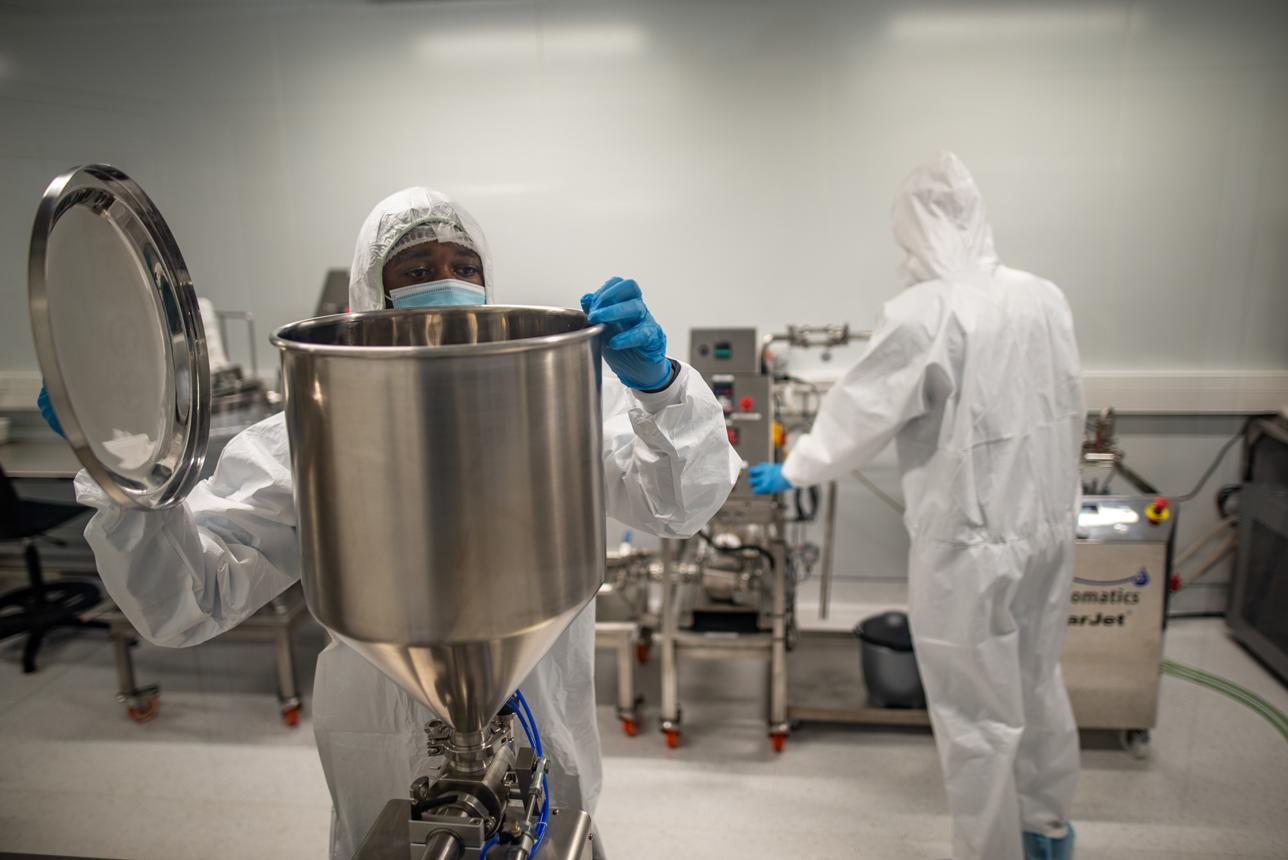
“South Africa’s government is proposing a stronger domestic funding framework for science and innovation, with biotechnology, genomics, health research and public-health infrastructure identified as strategic areas requiring protection. The initiative follows concerns about dependence on international research funding and comes as the government seeks greater investment, coordination and technology-transfer benefits from international partnerships.”
South Africa is moving to reshape the way it funds science, technology and innovation, with biotechnology emerging as one of the strategic fields at the centre of the government’s response to changing global research conditions. The development follows the release of a Ministerial Working Group report examining the country’s science and innovation funding system and the consequences of reductions in external research support.
The report was released by Science, Technology and Innovation Minister Blade Nzimande for public comment on 29 September 2026. According to the South African government, the report responds to a rapidly changing international environment characterised by shifting funding priorities, geopolitical tensions, trade disputes and increasing competition over strategic technologies.
Biotechnology is particularly significant because it connects scientific research with public health, agriculture, pharmaceuticals, industrial production and economic development. The Department of Science, Technology and Innovation identifies bio-innovation as an area supporting research and technological development across health, agriculture and industry, including therapeutics, vaccines, diagnostics, higher-yielding crops, agro-processing and indigenous-knowledge applications.
The latest policy discussion therefore goes beyond laboratory research. It raises questions about how South Africa can finance biotechnology over the long term, maintain specialised research infrastructure, develop scientific skills and ensure that research funded with public resources produces benefits for the wider economy and population.
A major concern identified by the government is the country’s dependence on external funding. The Ministerial Working Group was established partly in response to the withdrawal of United States federal research funding from major South African biomedical, health and clinical-trial programmes. The government says these disruptions demonstrated the risks associated with excessive dependence on external sources of research financing.
Reporting by ITWeb said almost R2.5 billion in research activities and more than 2,000 research positions remained at risk following the withdrawal of US research funding. The publication linked the situation to wider weaknesses in South Africa’s existing science, technology and innovation funding model.
The government report proposes several immediate priorities. Among them is the establishment of predictable domestic funding for strategic research programmes and the protection of critical platforms in health, genomics, biotechnology and public-health systems. It also calls for greater public and private investment in research and development, with the national target remaining 1.5% of gross domestic product.
For biotechnology, predictable funding is important because scientific development frequently requires long periods of research, specialised equipment, highly trained personnel and regulatory processes before commercial or medical applications can reach the market. Interruptions in financing can therefore affect laboratories, clinical research, technology development and the retention of specialised researchers.
South Africa already has biotechnology capabilities that illustrate the country’s potential. Cape Town-based Afrigen has been involved in mRNA vaccine development and technology transfer, while South Africa’s wider biotechnology ecosystem includes universities, science councils, research institutes and private companies. Nature Biotechnology recently reported that Afrigen had secured good manufacturing practice certification for its facility, describing it as the continent’s first end-to-end mRNA production site for African vaccine manufacturing.
The development of local vaccine and biotechnology capabilities has wider policy implications. The COVID-19 pandemic demonstrated the consequences of unequal access to medical products and the importance of manufacturing capacity. For policymakers, local biotechnology capability can contribute not only to research and commercialization but also to preparedness for future health emergencies.
The government’s proposed approach also places emphasis on international partnerships. Rather than withdrawing from international scientific cooperation, the report calls for arrangements that provide fair outcomes in areas such as data, intellectual property, technology transfer, local manufacturing and skills development.
This is significant for biotechnology because modern research frequently crosses national borders. South African researchers may collaborate with universities, pharmaceutical companies, governments, international organisations and research institutions elsewhere. Such partnerships can provide access to specialized knowledge, financing, equipment and markets.
However, the government’s proposal indicates that international cooperation should also contribute to domestic scientific capacity. The emphasis on technology transfer and local manufacturing suggests that partnerships are expected to provide more than access to external funding.
The policy debate also intersects with South Africa’s broader industrial strategy. The Department of Science, Technology and Innovation says its technology-innovation programme seeks to turn publicly funded research and development into products, services and jobs. Its strategic areas include biotechnology, nanotechnology, robotics, photonics, energy and space science.
In biotechnology, commercialisation can take different forms. Research can lead to vaccines, diagnostics, medicines, agricultural technologies, industrial biotechnology applications and other products. The government’s policy framework therefore connects research spending with questions about intellectual property, technology transfer and economic participation.
The issue of intellectual property is particularly important. If publicly funded research generates valuable technologies, policymakers must determine how those technologies are protected, licensed and commercialised. South Africa’s National Intellectual Property Management Office is tasked with supporting the management of intellectual property resulting from publicly funded research and identifying commercialisation opportunities.
Agriculture is another important part of the biotechnology-policy picture. Biotechnology can contribute to crop development, agricultural research, food production, disease management and agro-processing. South Africa’s broader biodiversity planning documents have also identified biotechnology and biosafety as areas requiring participation, resources and coordination among government, research institutions and industry.
The proposed funding reforms could therefore affect several sectors simultaneously. Health researchers may be concerned about continuity of biomedical research, while agricultural researchers may focus on food security and crop innovation. Universities and science councils may focus on research grants and skills development, while biotechnology companies may look for opportunities to commercialise discoveries.
The government has also proposed stronger coordination between government, universities, science councils, industry and provinces. Such coordination could affect how biotechnology priorities are selected and funded.
The report is not yet a final implementation programme. It has been released for public comment until 31 December 2026. A departmental team is expected to analyse submissions before developing an Implementation Framework, which will then be submitted to the Inter-Ministerial Committee on Science, Technology and Innovation for approval.
This means the current development represents a policy process rather than a completed biotechnology funding reform. The final shape of the proposals may therefore depend on public submissions, government decisions and subsequent implementation arrangements.
The government has also indicated plans for a Science, Technology and Innovation Sovereign Risk Advisory Council. According to the government, the council will provide analytical support for implementation and will be incubated by the National Advisory Council on Innovation.
South Africa’s existing science budget provides another part of the context. In May 2026, the Department of Science, Technology and Innovation announced a R10.4 billion allocation for the 2026/27 financial year, with investment directed towards research technologies, skills development, research infrastructure and innovation.
The biotechnology debate therefore concerns both the amount of money available and how resources are structured. Stable financing, research infrastructure, skilled personnel, commercialisation mechanisms and international cooperation all influence whether scientific discoveries can move from laboratories into practical applications.
For South Africa, biotechnology policy is consequently becoming increasingly connected to questions of economic resilience, health security, industrial development and scientific independence. The government’s current funding review seeks to address those questions while maintaining international research relationships.
The next stage will depend on the public-comment process and subsequent implementation decisions. Until those stages are completed, the proposals should be regarded as recommendations and policy priorities rather than fully implemented changes.
What is clear from the current policy documents is that biotechnology has been formally identified as part of South Africa’s strategic scientific infrastructure. The government’s effort to protect biotechnology, genomics and health research within a more resilient domestic funding system could shape the country’s research and innovation landscape in the years ahead.



