




“South Africa has announced an ambitious plan to secure R750 billion in investments for its Special Economic Zones (SEZs) by April 2027, aiming to reverse the decline in manufacturing’s share of GDP. The initiative includes tax incentives, green-energy industrial parks, and private-sector-led hubs to restore competitiveness and create jobs.”
South Africa’s manufacturing sector, once the backbone of its economy, has steadily declined from contributing 24% of GDP in 1994 to just 11% today. Chronic power shortages, port inefficiencies, and infrastructure constraints have eroded competitiveness. In response, the government has unveiled a bold plan to attract R750 billion in investments into Special Economic Zones (SEZs) to revive industrial output and stimulate growth.
The SEZ Strategy
- Tax Incentives: Companies operating in SEZs will benefit from a reduced corporate tax rate of 15%, compared to the standard 27%.
- Current SEZ Footprint: South Africa has 13 SEZs, hosting 224 companies, with cumulative investments of R31.7 billion and over 28,000 direct jobs created.
- Expansion Plans: A new green-energy industrial park will be designated in Gauteng’s Vaal region, while a private-sector-led SEZ near OR Tambo International Airport will focus on electricity and energy.
Economic Context
South Africa’s manufacturing decline has been compounded by:
- Load-shedding: Persistent electricity shortages have disrupted production.
- Logistics Failures: Port inefficiencies and unreliable transport networks have raised costs.
- Global Competition: Cheap imports, particularly from China, have undercut local producers.
Despite these challenges, the government sees SEZs as a vehicle to reverse deindustrialisation, attract foreign capital, and diversify exports.
Investor Confidence
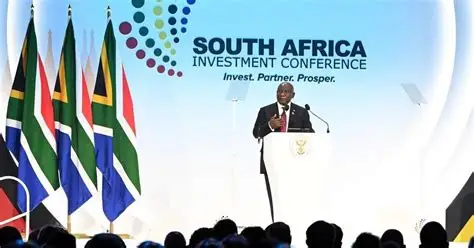
At the South Africa Investment Conference earlier this year, investors pledged a record R890 billion, much of it earmarked for industrial sites. President Cyril Ramaphosa emphasized that SEZs are central to the country’s growth strategy, positioning South Africa as a competitive hub for African industrialisation.
Policy Implications
The SEZ initiative reflects a broader business policy shift:
- Moving away from reliance on raw mineral exports toward value-added manufacturing.
- Encouraging public-private partnerships in industrial development.
- Aligning with green-energy goals, ensuring sustainability in industrial growth.
Risks and Challenges
While promising, the plan faces hurdles:
- Financing Risks: Securing R750 billion requires sustained investor confidence amid global economic uncertainty.
- Execution Risks: Infrastructure upgrades must be delivered efficiently to avoid past failures.
- Policy Risks: Regulatory clarity and consistent government support are essential to attract long-term investment.
Conclusion
South Africa’s R750 billion SEZ investment drive marks one of the most ambitious industrial revival strategies in decades. If successful, it could restore manufacturing’s role in the economy, create tens of thousands of jobs, and reposition South Africa as a continental leader in industrialisation. However, execution will be critical—without addressing power, logistics, and policy inefficiencies, the plan risks becoming another missed opportunity.



