




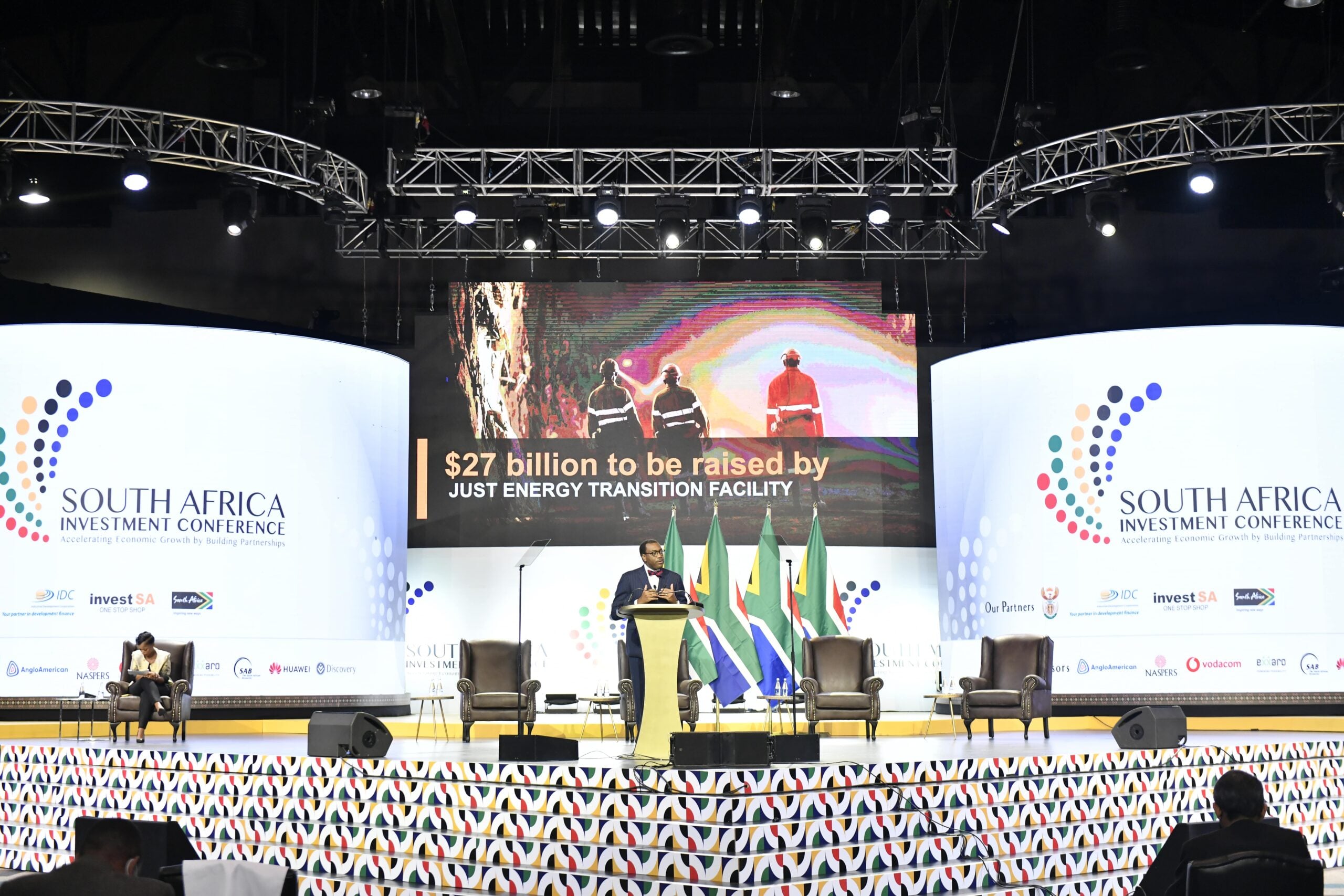
“South Africa has unveiled an ambitious plan to attract R750 billion in investment into Special Economic Zones (SEZs) by April 2027, focusing on reviving its struggling manufacturing sector. The announcement coincides with Toyota’s record R10.4 billion investment in Durban, underscoring the potential of industrial partnerships to drive economic renewal.”
South Africa’s economic landscape is undergoing a pivotal transformation. On 17 July 2026, the Department of Trade announced plans to secure R750 billion in SEZ investments within the next year, positioning manufacturing as the cornerstone of national recovery. This initiative comes at a time when manufacturing’s share of GDP has dropped from 24% in 1994 to just 11% today, highlighting the urgency of revitalization.
Context: Why SEZs Matter
- Special Economic Zones (SEZs) are designated areas offering tax incentives, infrastructure support, and regulatory flexibility to attract investors.
- Globally, SEZs have proven effective in countries like China and Vietnam, where they catalyzed export-led growth.
- For South Africa, SEZs represent a strategic lever to counter deindustrialization, create jobs, and expand exports.
Government Strategy
Acting Deputy Director General of Trade, Maoto Molefane, emphasized that the R750 billion target will be raised through:
- Infrastructure investments (ports, rail, energy).
- Development finance institutions and multilateral lenders.
- Private sector commitments, with over R800 billion pledged earlier this year at an investment forum.
President Cyril Ramaphosa reinforced the importance of logistics efficiency, noting that Transnet’s vehicle terminals handled 792,000 vehicles in 10 months, a record productivity milestone.
Toyota’s Landmark Investment
Toyota South Africa’s R10.4 billion investment in its Durban Prospecton plant is the largest in its history. The rollout of the ninth-generation Hilux bakkie demonstrates:
- Confidence in South Africa’s industrial base.
- The potential of public-private collaboration.
- A model for how SEZs can attract global automotive giants.
Toyota’s MD, Andrew Kirby, highlighted that industrialization succeeds when government, labour, and industry align with shared purpose.
Economic Implications
- Job creation: SEZ investments are expected to generate tens of thousands of jobs, particularly in automotive, textiles, and electronics.
- Export growth: Revitalized manufacturing could reduce South Africa’s trade deficit, which has widened due to declining vehicle exports.
- Fiscal stability: Higher corporate tax revenues from manufacturing firms will support Treasury’s efforts to maintain a primary budget surplus.
Challenges Ahead
Despite optimism, several hurdles remain:
- Port inefficiencies and unreliable logistics.
- Skills shortages in advanced manufacturing.
- Competition from cheap imports, especially from China.
- Financial sector strain, with African Bank reporting a R624 million half-year loss and planning to cut 1,000 jobs.
Global Market Context
Internationally, markets are volatile:
- Chip and memory stock sell-offs have rattled investors.
- The rand trades at R16.46/$, reflecting currency pressures.
- Commodity prices remain mixed, with gold at $3,999 and platinum at $1,613.
Long-Term Outlook
If successful, the SEZ initiative could:
- Restore manufacturing’s GDP share to 15–18% by 2030.
- Position South Africa as a continental hub for automotive and industrial exports.
- Strengthen investor confidence, leading to sovereign credit rating upgrades.



