




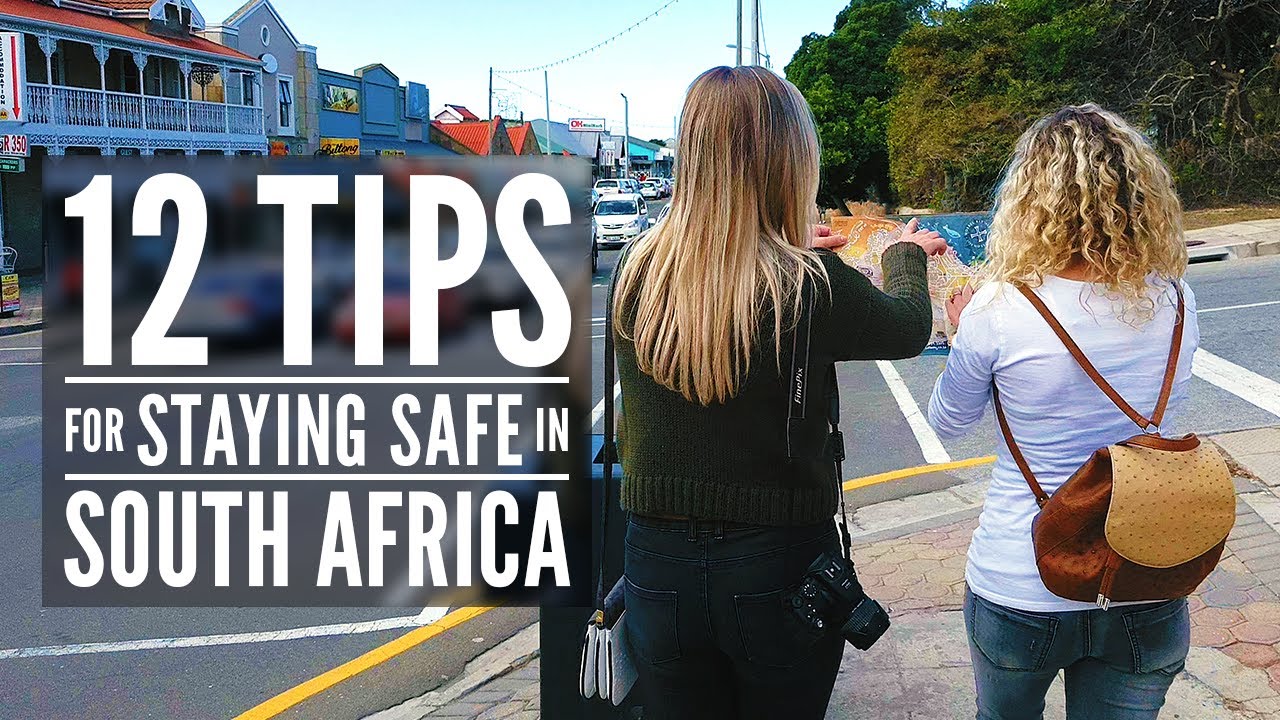
“South Africa has updated its travel advisories, requiring all international visitors to complete an online traveller declaration and urging heightened caution in major cities due to crime and protests. Despite these challenges, favorable exchange rates, visa-free entry for over 90 countries, and world-class safari experiences continue to make South Africa a top destination in 2026.”
South Africa remains one of the most compelling destinations in 2026, attracting millions of visitors with its diverse landscapes, vibrant cities, and iconic wildlife. However, the government and international advisory bodies have updated travel guidelines to ensure visitor safety and smooth entry procedures. These changes reflect both the opportunities and challenges of traveling in South Africa today.
Entry Requirements
- Visa-Free Access: Citizens of over 90 countries, including the USA, UK, Canada, EU nations, and Australia, can enter South Africa visa-free for up to 90 days.
- Traveller Declaration: As of August 2026, all visitors must complete an online traveller declaration before entering or departing South Africa. This digital form streamlines border control but requires travelers to prepare documents in advance.
- Yellow Fever Certificate: Required only if arriving from endemic regions such as Kenya, Uganda, or Brazil.
Safety & Security
South Africa’s urban centers—Johannesburg, Cape Town, and Durban—continue to face high crime rates, including robbery, carjacking, and ATM fraud. Travelers are advised to:
- Avoid walking alone at night.
- Use Uber or registered taxis.
- Keep valuables hidden.
- Monitor local media for protest activity, as demonstrations can escalate quickly.
Currency & Value
The South African Rand (ZAR) remains highly favorable for international visitors. At US$1 ≈ R18, luxury safaris, Cape Town hotels, and wine-country stays offer excellent value compared to Europe or North America.
Practical Travel Tips
- Load Shedding: Rolling power cuts are routine. Carry power banks and confirm that accommodations have backup generators.
- Transport: Car rentals are popular, but avoid driving at night in rural areas. Ride-hailing apps are safer in cities.
- Airports: OR Tambo (Johannesburg), King Shaka (Durban), and Cape Town International remain the main entry points.
Cultural Immersion
Travelers are encouraged to embrace South Africa’s rich cultural heritage:
- Braai Culture: Barbecues are central to social life.
- Cuisine: Try bobotie, koeksisters, ostrich meat, and Cape vegetarian dishes.
- Language Etiquette: English is widely spoken, but learning basic Afrikaans or Zulu greetings enhances interactions.
Tourism Highlights
- Kruger National Park: Best for Big Five safaris, especially during the dry winter months (June–August).
- Cape Town: Offers iconic views from Table Mountain and vibrant nightlife.
- Wine Country: Stellenbosch and Franschhoek provide world-class vineyards at affordable prices.
Risks & Challenges
- Crime: Remains the most pressing concern for tourists.
- Protests: Can disrupt transport and pose safety risks.
- Kidnapping Threats: Though rare, travelers should remain vigilant.
Conclusion
South Africa in 2026 offers unmatched experiences for travelers willing to prepare carefully. By completing entry requirements, staying alert in urban areas, and embracing cultural immersion, visitors can enjoy safaris, city life, and natural wonders at excellent value. The balance of opportunity and caution defines the travel landscape in South Africa today.



