




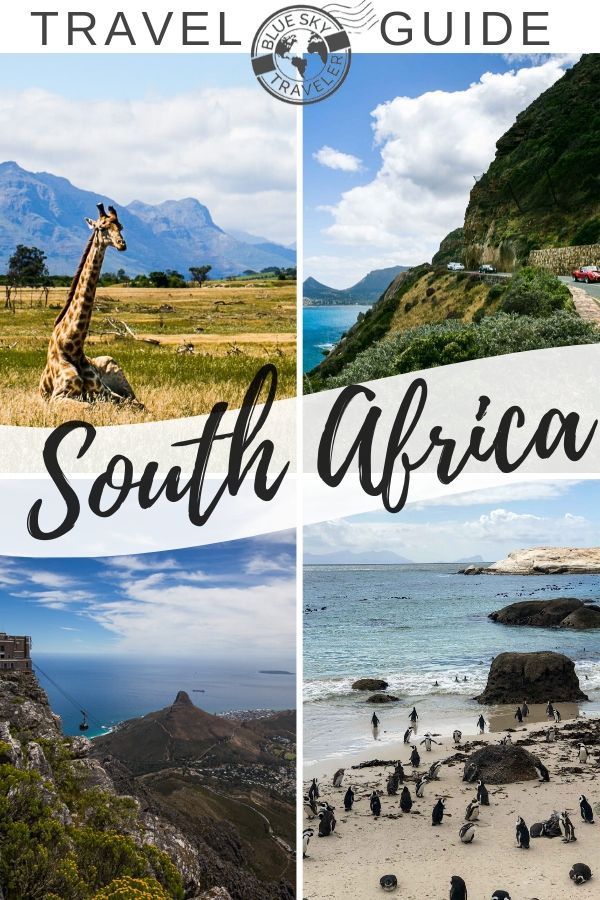
“South Africa remains a premier destination in 2026, offering safaris, vibrant cities, and cultural immersion, but updated advisories highlight safety risks and infrastructure challenges. Visitors must prepare for crime awareness, protests, and rolling power cuts while enjoying favorable exchange rates and streamlined entry rules.”
South Africa continues to attract millions of international visitors in 2026, cementing its reputation as one of the most rewarding destinations globally. From the bustling streets of Cape Town and Johannesburg to the serene landscapes of Kruger National Park, the country offers diverse experiences. Yet, recent advisories underscore that preparation and awareness are essential for travelers seeking both adventure and safety.
Visa & Entry Requirements
- Visa-Free Entry: Citizens of over 90 countries—including the USA, UK, Canada, Australia, New Zealand, EU nations, and Japan—can enter South Africa visa-free for up to 90 days.
- Documentation: Proof of accommodation and onward travel is required.
- Yellow Fever Certificate: Mandatory only if arriving from endemic countries such as Kenya or Uganda.
This streamlined entry process makes South Africa accessible, but travelers must ensure compliance with documentation rules to avoid delays at immigration.
Currency & Payments
- Exchange Rate: US$1 ≈ R18, offering excellent value for luxury safaris and Cape Town hotels.
- Payments: Credit cards are widely accepted in cities, while cash remains essential in rural areas.
- Tipping Culture: 10–15% at restaurants, R20–50 for porters, and 10–15% for safari guides.
The favorable exchange rate positions South Africa as a cost-effective destination compared to Europe or North America.
Safety & Security
Urban centers such as Johannesburg, Cape Town, and Durban face high crime rates, including robbery, carjacking, and ATM fraud. Travelers are advised to:
- Avoid walking alone at night.
- Use Uber or registered taxis.
- Keep valuables hidden.
- Monitor local media for protests and roadblocks.
Opportunistic criminals sometimes target tourist vehicles near Kruger National Park entry gates, reinforcing the need for vigilance even in wildlife areas.
Load Shedding & Infrastructure
South Africa continues to experience rolling power cuts (load shedding). Luxury lodges and hotels often have backup generators, but budget travelers should plan for disruptions in cities. Carrying portable chargers and confirming generator availability at accommodations is strongly recommended.
Cultural Immersion
South Africa’s rich cultural tapestry offers unique opportunities for visitors:
- Braai Culture: Central to South African life, providing authentic hospitality.
- Cuisine Highlights: Bobotie, koeksisters, ostrich meat, and vegetarian options in the Western Cape.
- Festivals: Cape Town International Jazz Festival and Durban July horse racing event showcase the country’s vibrant arts and sports scene.
Practical Travel Tips
- Transport: Use major roads and avoid isolated routes.
- Health: Stay alert to risks of drink spiking and methanol poisoning in nightlife settings.
- Wildlife Safety: Always follow ranger instructions in safari parks.
Conclusion
South Africa in 2026 offers unmatched travel experiences, but safety vigilance and infrastructure awareness are critical. With favorable exchange rates, streamlined entry rules, and cultural richness, the country remains a top destination for prepared travelers.



