




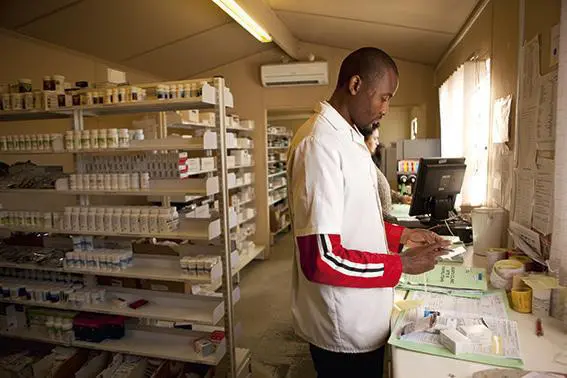
“South Africa’s Department of Health has activated Section 21 authorisations to import critical medicines for tuberculosis, cancer, cardiovascular emergencies, and rabies exposure, as local supplies face disruption. The shortages underscore systemic challenges in procurement, manufacturing, and global supply chains, raising urgent questions about long-term resilience.”
South Africa’s healthcare system is once again under pressure as essential medicine shortages force the government to rely on emergency imports. On 17 September 2026, the National Department of Health confirmed that 19 medicines are currently being sourced internationally under Section 21 authorisations, a mechanism that allows unregistered medicines to be imported when no local alternatives exist.
What Section 21 Means
Section 21 of the Medicines and Related Substances Act empowers the South African Health Products Regulatory Authority (SAHPRA) to grant temporary approval for medicines not registered in the country. This process is typically reserved for urgent clinical needs, such as life-threatening conditions where no substitute is available.
Currently, the register includes:
- Rifampicin & Rifabutin – cornerstone drugs in tuberculosis treatment.
- Bleomycin & Mitomycin – chemotherapy agents for cancer.
- Streptokinase & Glyceryl Trinitrate injections – used in cardiovascular emergencies.
- Rabies immunoglobulin (equine and human) – critical after rabies exposure.
- Thiopentone – anaesthetic for critical care.
Why Shortages Occur
Medicine shortages in South Africa stem from multiple factors:
- Global supply chain disruptions – raw material shortages and transport delays.
- Manufacturing challenges – limited local production capacity.
- Procurement delays – bureaucratic hurdles in tender processes.
- High demand – rising cases of tuberculosis and cancer increase pressure on supplies.
Impact on Patients
For patients, the shortages mean:
- Treatment delays – especially in oncology and infectious disease wards.
- Switching medicines – doctors may prescribe alternatives, but efficacy can vary.
- Increased anxiety – patients worry about continuity of care.
Healthcare professionals emphasize that while Section 21 imports provide relief, they are not a sustainable solution.
Government Response
The Department of Health insists that medicine availability remains stable overall, noting that shortages often affect specific brands rather than entire therapeutic categories. The Stock Visibility System (SVS) provides real-time monitoring of supply levels nationwide, enabling rapid intervention.
Expert Opinions
Pharmacologists warn that reliance on imports exposes South Africa to currency fluctuations and international competition. Public health experts argue for:
- Expanding local manufacturing capacity.
- Diversifying suppliers to reduce dependency on single sources.
- Strengthening regional partnerships with African pharmaceutical producers.
Broader Context
South Africa’s situation mirrors global trends. Countries worldwide face medicine shortages, from antibiotics in Europe to chemotherapy drugs in the United States. The COVID-19 pandemic revealed vulnerabilities in supply chains, and geopolitical tensions continue to disrupt pharmaceutical trade.
Conclusion
South Africa’s reliance on Section 21 imports highlights both the resilience and fragility of its healthcare system. While emergency authorisations ensure patients receive life-saving treatment, the underlying structural issues demand urgent reform. Without investment in local production, streamlined procurement, and regional cooperation, the country risks recurring crises that undermine public health.
Risks & Challenges
- Over-reliance on imports → exposes system to global shocks.
- Delayed treatments → worsens outcomes for TB and cancer patients.
- Financial strain → imported medicines often cost more.



