




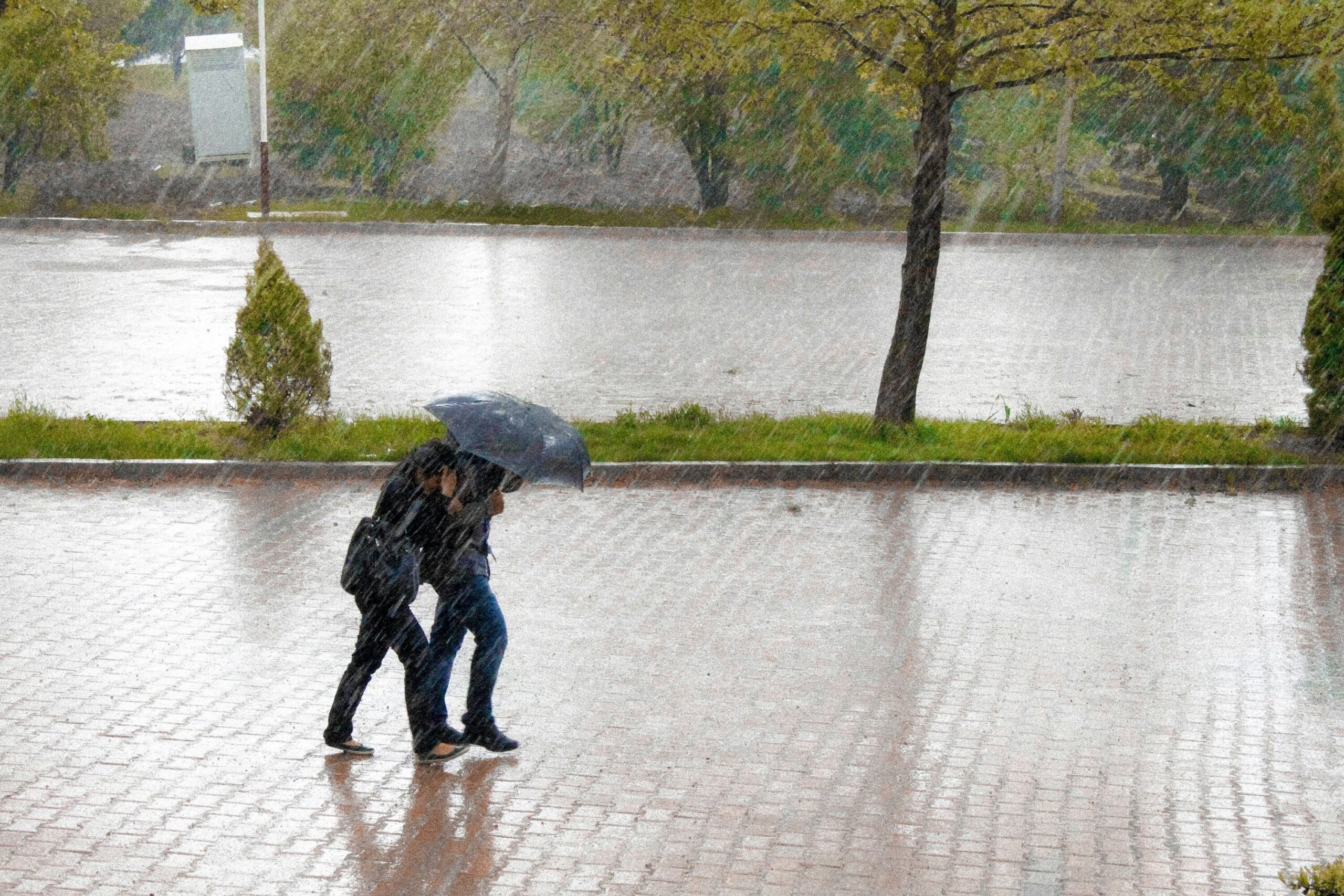
“Heavy rainfall and thundershowers are sweeping across South Africa today, with KwaZulu-Natal and the Eastern Cape bearing the brunt of Orange Level 6 disruptive rain warnings. Authorities warn of flooding, road closures, and risks to life, urging residents to avoid travel and prepare for possible service disruptions.”
South Africa is experiencing one of its most disruptive weather events of the spring season, with widespread showers, thundershowers, and severe flooding warnings issued for Thursday, 17 September 2026. The South African Weather Service (SAWS) has placed KwaZulu-Natal under an Orange Level 6 warning, signaling a high risk of flooding, infrastructure damage, and danger to life.
National Overview
- KwaZulu-Natal (KZN): Torrential rain is expected to deliver between 50 mm and 150 mm of rainfall, particularly along the south coast and adjacent interior. Flooding of roads, bridges, and settlements is highly likely.
- Eastern Cape: Moderate to heavy showers with localized flooding risks, especially in low-lying areas.
- Free State & Mpumalanga: Severe thunderstorms with damaging winds, hail, and excessive lightning.
- Western Cape & Limpopo: Relatively calmer, with partly cloudy skies and mild temperatures.
Environmental Impact
The rainfall poses significant risks to both urban and rural communities:
- Urban areas: Flooded roads, traffic disruptions, and potential power outages.
- Rural areas: Livestock displacement, crop damage, and risks to mud-based housing structures.
Emergency Response
Municipalities such as eThekwini have placed emergency teams on high alert. Residents are advised to:
- Avoid crossing rivers and swollen streams.
- Relocate animals and valuables to higher ground.
- Switch off electricity in flood-prone buildings.
Climate Context
This event highlights South Africa’s increasing vulnerability to climate variability. Seasonal transitions often bring unstable weather, but the intensity of current rainfall underscores broader climate change concerns.
Human Stories
Residents in Durban and Pietermaritzburg report rising water levels in informal settlements, with community leaders urging immediate evacuation in flood-prone zones. Farmers in the Free State express concern over crop losses due to hailstorms.
Conclusion
The disruptive rain event of 17 September 2026 is a stark reminder of the need for robust disaster preparedness and climate resilience strategies in South Africa. With warnings valid until Friday, communities must remain vigilant and prioritize safety.



