




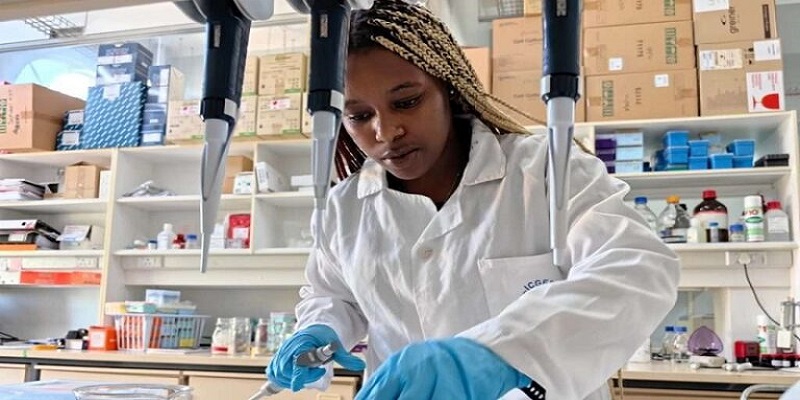
“South Africa’s biotechnology sector is experiencing a surge in growth, led by startups like Biovac, Immobazyme, and Sawubona Mycelium, which are pioneering advances in vaccines, enzyme engineering, and sustainable bioactive compounds. These innovations are not only strengthening the country’s healthcare resilience but also opening new pathways for environmentally responsible industrial applications.”
South Africa’s biotechnology industry is entering a transformative phase, with a new generation of startups reshaping the landscape of healthcare, agriculture, and industrial sustainability. At the forefront of this movement are companies such as Biovac, Immobazyme, and Sawubona Mycelium, each contributing unique innovations that highlight the country’s growing role in global biotech development.
Biovac: Strengthening Vaccine Security
Founded in 2002, Biovac has become a cornerstone of South Africa’s healthcare infrastructure. With over $100 million in funding from the European Investment Bank and other partners, Biovac focuses on vaccine development and manufacturing. This is particularly significant in a continent where vaccine access has historically been limited. By producing vaccines locally, Biovac reduces reliance on imports, enhances public health resilience, and ensures quicker responses to outbreaks. Its work is aligned with South Africa’s broader goal of achieving medical sovereignty in critical areas of healthcare.
Immobazyme: Enzyme Engineering for Industry
Established in 2019, Immobazyme is pioneering enzyme immobilisation technology through its proprietary PepTrap™ platform. This innovation allows enzymes to be stabilized and reused in industrial processes, reducing costs and environmental impact. Immobazyme’s approach is particularly relevant for sectors such as pharmaceuticals, food processing, and environmental management, where efficiency and sustainability are paramount. By combining cutting-edge science with eco-conscious practices, Immobazyme exemplifies how biotechnology can drive both economic growth and environmental responsibility.
Sawubona Mycelium: Harnessing Fungi for Sustainable Bioactives
Another standout is Sawubona Mycelium, which leverages fungal fermentation to produce bioactive compounds for industries ranging from personal care to food production. Traditional synthetic ingredients often pose risks of toxicity and environmental pollution, but Sawubona’s mycelium-based alternatives are biodegradable, biocompatible, and highly effective. This innovation not only reduces ecological harm but also creates new opportunities for sustainable consumer products. By unlocking the potential of fungi, Sawubona is positioning South Africa as a leader in green biotechnology.
Broader Industry Impact
The rise of these startups reflects a broader trend in South Africa’s biotechnology ecosystem. With support from ONEBIO, the University Technology Fund, and international investors, the sector is attracting significant capital and talent. This influx of resources is enabling startups to scale their innovations and compete globally. Moreover, the diversity of applications—from vaccines to industrial enzymes and bioactive compounds—demonstrates the versatility of biotechnology in addressing pressing challenges across multiple domains.
Challenges and Opportunities
Despite these successes, the industry faces challenges, including regulatory hurdles, infrastructure limitations, and the need for skilled professionals. However, initiatives such as the Bio26 Congress and collaborations with universities are helping to build capacity and foster knowledge exchange. If these efforts continue, South Africa could emerge as a continental hub for biotechnology, driving both economic growth and sustainable development.
Conclusion
South Africa’s biotechnology startups are not only advancing science but also addressing critical societal needs. By strengthening healthcare systems, promoting sustainability, and fostering innovation, companies like Biovac, Immobazyme, and Sawubona Mycelium are redefining the role of biotechnology in Africa. Their success underscores the importance of continued investment, collaboration, and policy support to ensure that biotechnology becomes a cornerstone of South Africa’s future.



