




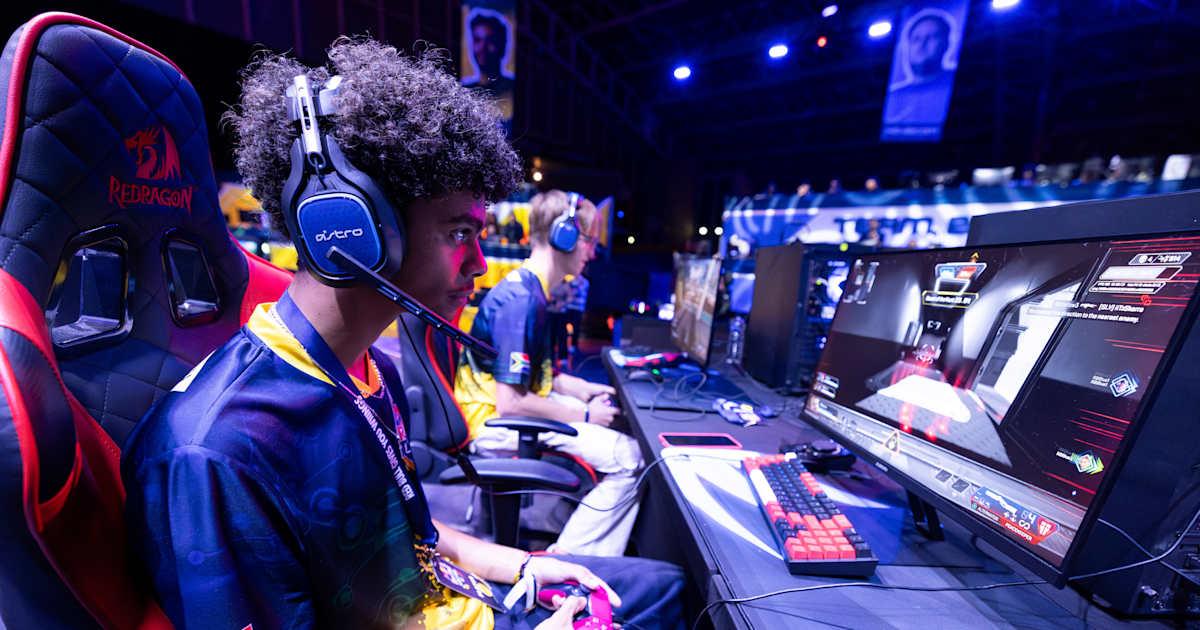
“The available news search did not identify a reliably verified South African esports news article published specifically today, 26 October 2026. The strongest current development I could verify is the continuing local tournament calendar, including the upcoming Marvel Rivals 6v6 Cup scheduled for 27 October and the broader growth of organised competitive gaming in South Africa.”
South African esports enters an important period of competitive development
South Africa’s competitive gaming industry is continuing to build momentum through tournaments, grassroots participation and structured competitions that connect emerging players with established organisers. Although a major esports announcement published specifically on 26 October 2026 could not be verified in the available reporting, the latest tournament listings and recent championship coverage provide a useful picture of the sector’s direction.
Competitive gaming, commonly known as esports, involves organised video-game competitions in which individuals or teams compete according to established rules. Popular competitive titles include EA Sports FC, Fortnite, Valorant, Counter-Strike 2, Rocket League, Tekken 8 and Marvel Rivals. These games require different combinations of strategy, technical ability, teamwork, reaction speed and decision-making.
South Africa’s esports ecosystem includes amateur players, schools, universities, tournament organisers, sponsors, gaming venues, broadcasters and professional competitors. Their combined activities are helping establish competitive gaming as an organised sporting and entertainment activity rather than simply a pastime played at home.
The development of local tournaments is particularly important because players need regular opportunities to test their abilities, develop competitive experience and measure their progress against other participants.
Upcoming tournaments keep the competitive calendar active
One indication of the scene’s continuing activity is the tournament calendar published by ZA Esports Hub. Its listings include the Marvel Rivals 6v6 Cup scheduled for 27 October 2026, with Mettlestate identified as the organiser and a listed prize of R1,000. The platform also lists the Counter-Strike Clash associated with ACGL, scheduled for 25 October, and the ongoing Electronic Versus League Valorant competition.
These listings should be checked against the relevant organisers’ official pages before players rely on registration details, match times or availability. A tournament listing is evidence of a scheduled event, not confirmation that every match will take place exactly as advertised.
Nevertheless, a varied calendar matters for the development of esports. Different games attract different communities, and a player interested in a team-based hero shooter may have very different needs from someone specialising in football simulations or fighting games.
Marvel Rivals, for example, is built around coordinated teams and character-specific abilities. In a six-player format, communication and role allocation can be just as important as individual mechanical skill. Players must understand their own responsibilities while adapting to opponents and coordinating attacks or defensive strategies.
Competitions like these can help local participants practise under pressure, establish teams and build reputations within their chosen gaming communities.
Commercial tournaments provide a platform for emerging talent
South Africa’s tournament activity extends beyond smaller online events. The African Gaming Championship, held at GrandWest in Cape Town from 16 to 19 July 2026, demonstrated how commercial partnerships can support larger competitive gaming productions.
Reporting by Gadget stated that the championship had a guaranteed prize pool exceeding R150,000 across titles including Valorant, Fortnite, EA FC 26, Call of Duty Mobile, Tekken 8 and Brawlhalla. The African Cyber Gaming League organised the competition with support from Acer, which supplied computers and monitors for the tournament environment.
This arrangement illustrates the relationship between technology providers and competitive gaming. Tournaments require suitable computers, reliable peripherals, network connectivity and production equipment. Sponsors can help organisers secure the resources necessary to stage competitions and provide a more consistent experience for participants.
The benefits can extend beyond prize money. A professionally organised tournament creates opportunities for competitors to experience structured match preparation, interact with other players and potentially attract attention from teams or gaming organisations.
However, participation in a major tournament does not automatically create a professional career. Players must continue developing their skills, maintaining consistent performances and finding opportunities that match their competitive level.
School esports creates a pathway for younger competitors
Schools are another important part of South Africa’s competitive gaming environment. The African Gaming Championship included the Nitro African Schools League Finals, connecting school-level competitions with a larger event.
Curro’s report on the championship highlighted results from its participating schools. Curro Durbanville High School won the Rocket League school tournament, while Curro Krugersdorp High School finished second in the Valorant school tournament. Curro Durbanville Primary School also won the Minecraft player-versus-player school competition.
These results illustrate how organised competitions can introduce younger participants to the discipline of competitive play.
School esports can encourage communication, cooperation, tactical thinking and responsible use of technology. Team-based games require participants to coordinate their decisions, respond to changing situations and learn from victories and defeats.
The educational value, however, depends on how programmes are managed. Schools and families need to balance gaming with academic responsibilities, physical activity, adequate sleep and healthy screen-time habits.
Well-designed programmes should also establish appropriate supervision, safeguarding arrangements, fair selection processes and clear expectations for conduct. Such measures help make competitive gaming more accessible and sustainable for young participants.
University competitions strengthen the development pipeline
University esports offers another route for players seeking more advanced competition. Varsity Esports provides a structured tournament environment for institutions across South Africa, with its 2026 Split 2 Finals scheduled at the University of Pretoria on 2 and 3 October, according to the published competition information. The tournament’s broader pathway includes qualification rounds and progression towards the rAge Grand Finals in November.
University competition matters because players can continue developing their abilities after leaving school. It also gives institutions an opportunity to establish teams, build communities and create organised spaces for competitive gaming.
A structured university league can provide more than match experience. Participants may learn about event management, commentary, streaming, team administration, coaching and tournament operations.
These skills are relevant to the wider esports industry, where not every career requires someone to compete professionally. The sector also relies on people who can manage events, produce broadcasts, analyse matches, create content and coordinate sponsorships.
The long-term opportunity is to develop a broader ecosystem in which talented players can pursue competition while others build careers around the business and production of esports.
National representation raises the stakes
South African esports also has an international dimension. Mind Sports South Africa has published information about national-team selection and international competitions, including the World Esports Championship scheduled for Indonesia from 15 to 20 December 2026.
International representation gives eligible competitors an opportunity to measure themselves against players from other countries. It can also increase visibility for South African teams and expose participants to different tactical approaches and competitive standards.
National selection requires transparent eligibility requirements, clear entry procedures and consistent communication. Players need to know which games and categories are included, what documentation is required and how the selection process operates.
A report published on 16 October discussed supplementary trials for Counter-Strike 2 Women and Dota 2 following gaps in the earlier selection process. The publication explained the reasons for additional opportunities, but it did not establish the final selected rosters. Those results should therefore be confirmed through subsequent official announcements rather than assumed.
The broader lesson is that national representation depends on both competitive performance and well-administered selection procedures. Clear processes help players understand their opportunities and support confidence in the system.
The importance of access to equipment and connectivity
Despite the opportunities presented by tournaments, access remains a significant practical consideration for aspiring competitors.
Some games require capable computers, high-refresh-rate monitors, specialised controllers or other peripherals. Others can be played on mobile devices, potentially allowing participants to enter competitions without investing in a full desktop gaming setup.
Reliable internet connectivity is equally important for online competition. Latency, unstable connections and equipment failures can affect performance, making technical preparation a necessary part of competitive development.
Physical gaming venues and organised LAN events can help address some of these challenges by providing equipment and a shared competitive environment. Commercial tournaments also demonstrate how sponsors and organisers can bring gaming infrastructure to places where participants can compete in person.
However, access is not determined by equipment alone. Entry requirements, travel costs, scheduling, tournament awareness and the availability of suitable practice opportunities can influence who participates.
Organisers that communicate clearly and provide accessible registration processes can help reduce some barriers. Schools, universities and community groups may also contribute by offering supervised practice, shared equipment or structured teams where resources permit.
Building sustainable opportunities beyond prize money
Prize pools attract attention, but they are only one measure of the health of an esports ecosystem.
A sustainable industry needs recurring competitions, dependable organisers, engaged audiences, responsible sponsors and clear opportunities for players to improve. It also needs realistic expectations about earnings.
Winning a tournament can provide recognition and financial rewards, but income is not guaranteed for most participants. Professional competition is demanding, and players may need to combine gaming with education, employment or other responsibilities.
For organisers, consistent tournament delivery helps build trust. Participants need accurate schedules, accessible rules, reliable communication and fair handling of disputes.
For sponsors, the opportunity lies in supporting communities and events in ways that deliver measurable value. Equipment partnerships, tournament funding and school programmes can all contribute when they meet the needs of participants and are managed responsibly.
Media coverage is important too. Reporting on tournament results, player development and upcoming competitions helps fans follow the scene and allows prospective participants to discover opportunities.
What South African esports followers should watch next
The immediate priority for players and fans is to monitor official tournament pages for updates to the October competition calendar and the upcoming rAge Grand Finals pathway. The ZA Esports Hub provides a central place to explore listed competitions, teams and gaming titles, while individual organisers remain the appropriate source for final schedules and registration requirements.
Players considering participation should review the rules for their chosen game, confirm eligibility, check the registration deadline and ensure they have the equipment and connection needed for the event.
Fans can contribute by following legitimate broadcasts, attending public competitions where available and supporting the players and organisers who maintain local gaming communities.
Journalists and publishers should also distinguish between confirmed results, announced events and future possibilities. That distinction is particularly important when reporting daily news, since an upcoming tournament or an earlier announcement should not be presented as breaking news without new evidence.
Conclusion: A growing scene that needs continued investment
South African esports is supported by an expanding mix of online competitions, school programmes, university leagues, commercial championships and national-team initiatives. Together, these activities create opportunities for players to compete, develop their abilities and explore roles within the wider gaming industry.
The African Gaming Championship demonstrated the potential of sponsor-supported events, while school and university competitions show how organised gaming can reach participants at different stages of their development. Upcoming tournaments listed for late October provide additional opportunities for eligible players to engage with the scene.
The next stage of growth will depend on consistency, accessibility, responsible management and sustained investment. Stronger connections between grassroots competitions, educational programmes, national selection and commercial events could help more players find meaningful opportunities.
As of 26 October 2026, the available evidence supports a story of continuing esports development in South Africa, but it does not establish a single major announcement published today. The most responsible conclusion is therefore that the competitive calendar and established development pathways are the principal developments to watch, with fresh tournament results and official announcements needed to identify the next major headline.



