




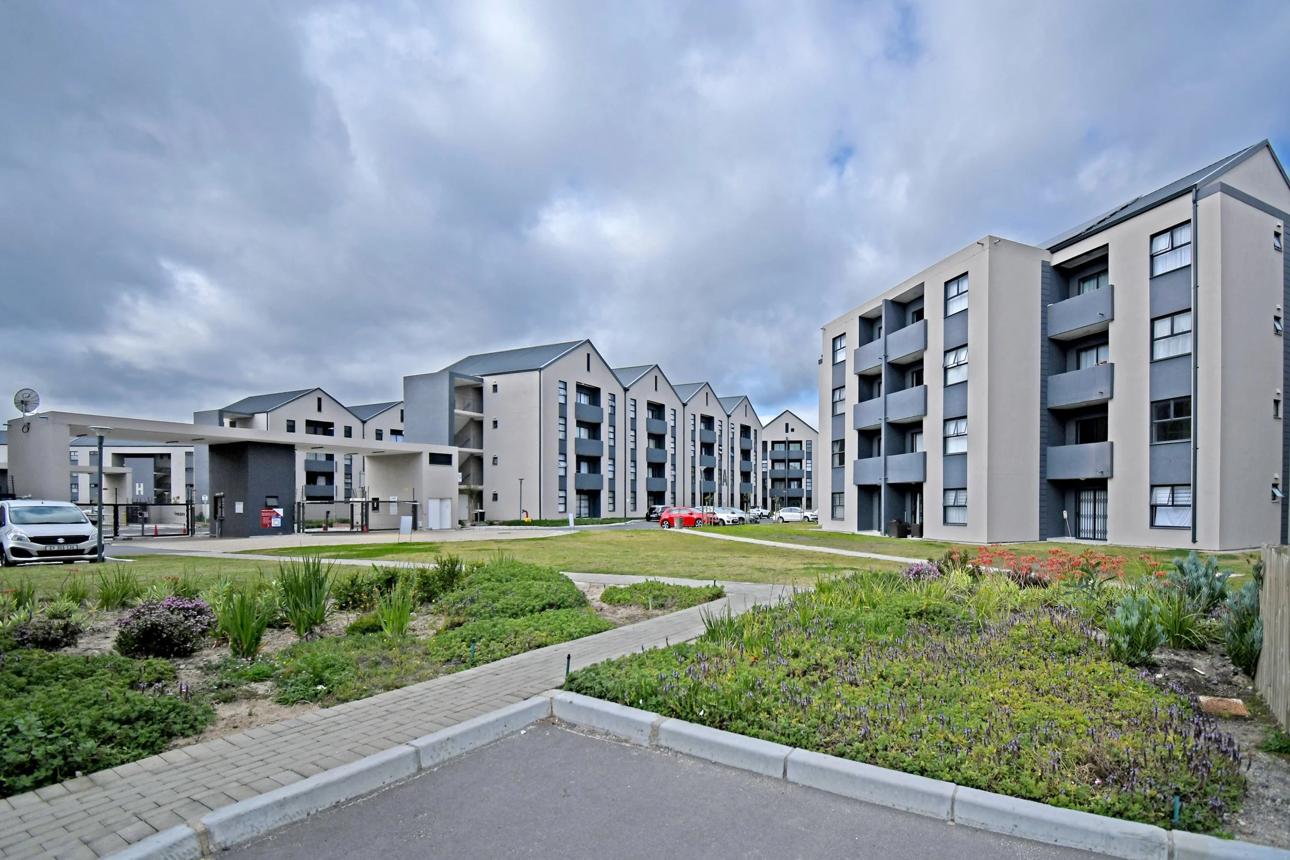
“South Africa’s residential rental market faces mounting pressure as electricity, municipal services, financing and other operating expenses rise while weak economic growth and limited employment opportunities constrain tenants’ ability to absorb higher rents. Institutional landlords are warning that affordability pressures could limit rental increases and new housing investment, making reliable municipal services, infrastructure improvements and the development of affordable rental homes increasingly important.”
South African Tenants Face Another Year of Rising Costs as Landlords Struggle to Keep Rentals Affordable
South Africa’s residential rental market is entering a challenging period as rising electricity prices, municipal service costs, financing expenses and weak economic growth place increasing pressure on both tenants and landlords. Although the government’s latest fiscal outlook points towards efforts to stabilise public finances and improve infrastructure investment, property-sector representatives warn that the benefits may take time to reach households struggling with the cost of accommodation.
The concerns were highlighted in reporting published by The National on 25 October 2026 and a related report on 26 October. Industry representatives say the combination of limited employment opportunities and escalating property operating expenses is making it increasingly difficult to maintain affordable rental housing without compromising investment in existing buildings or the construction of new homes.
Rising household expenses threaten rental affordability
Rental affordability remains a central concern for South African households as housing competes with food, transport, electricity, debt repayments and other essential expenses for a share of monthly income.
Palesa Mkhize, chief executive of the South African Multifamily Residential Rental Association (SAMRRA), said tenants faced a difficult year ahead because electricity costs continued to rise while employment opportunities remained limited. She also warned that economic growth of approximately 1.2% would be insufficient to generate the number of jobs needed to support stronger household finances.
The implications extend beyond tenants who are already struggling to meet their monthly obligations. When income growth remains weak while essential expenses increase, households have less capacity to absorb rent adjustments, unexpected bills or changes in employment circumstances.
For rental-property owners, this creates a difficult balancing act. Landlords must account for rising operating expenses, maintain buildings and service financing commitments, yet they cannot necessarily increase rents at the same pace without risking vacancies or losing tenants who can no longer afford their accommodation.
SAMRRA represents the professionally managed institutional residential rental sector. Its members oversee more than 75,000 residential units across approximately 550 properties, with a reported portfolio value exceeding R72 billion. The association’s concerns therefore reflect pressures affecting a substantial segment of the formal rental market.
Operating expenses squeeze landlords
The rising cost of operating residential buildings is another major challenge. Landlords face expenses associated with borrowing, municipal rates, water, sanitation, refuse collection, maintenance and electricity infrastructure.
These expenses affect the difference between rental income collected and the actual cost of keeping a property operational. Although rental increases can help offset inflation, they do not automatically translate into stronger profits when the costs of ownership are rising simultaneously.
Municipal service interruptions create additional complications. Where water or electricity supplies become unreliable, property owners may have to invest in backup systems to maintain acceptable living conditions for residents.
Depending on the property, these measures can include water-storage tanks, pumps, boreholes, generators and alternative energy systems. Such installations require upfront investment, ongoing maintenance and, in some cases, additional fuel or electricity expenditure.
Landlords may consequently find themselves paying their regular municipal bills while also spending money to replace services that are unavailable or unreliable. If municipal tariffs subsequently increase, those expenses can rise again.
This situation raises questions about how the costs of infrastructure failures should be distributed between municipalities, property owners and tenants. It also demonstrates why reliable public services are important to the affordability and long-term sustainability of residential rental housing.
Municipal infrastructure becomes a property-market issue
Reliable water, electricity, sanitation and waste-management services are fundamental to the operation of residential properties. When these services fail, the consequences extend beyond inconvenience to affect maintenance budgets, investment decisions and the quality of tenants’ living environments.
SAMRRA has argued that municipalities need to address operational and financial weaknesses while ensuring that tariff increases are accompanied by improvements in service delivery.
The association’s position highlights a structural problem: private landlords can invest in backup infrastructure to protect their buildings, but those investments cannot replace the need for effective municipal networks.
Furthermore, smaller landlords may have fewer financial resources available to install expensive alternative systems than institutional property companies. Consequently, service interruptions can affect different property owners unevenly, depending on their access to capital and the type of accommodation they provide.
For tenants, unreliable services may create additional expenses, particularly when disruptions interfere with household routines or force residents to make alternative arrangements.
For investors, the reliability of local infrastructure can influence whether a residential development is financially viable. Locations with unpredictable service delivery may require higher operating budgets and more substantial initial investment.
Addressing municipal performance is therefore important not only for public administration but also for housing supply, rental affordability and confidence in property investment.
Landlords prioritise tenant retention
Despite mounting costs, institutional landlords have indicated that they intend to keep rental increases close to inflation where possible and prioritise retaining reliable tenants.
This approach reflects the financial consequences of excessive rent increases. When tenants leave, property owners may face vacant units, advertising expenses, letting-agent fees, cleaning, repairs and the costs associated with finding replacement occupants.
A property that remains occupied by a tenant who pays consistently can be more financially dependable than one that experiences repeated vacancies following aggressive rent adjustments.
However, retaining tenants does not eliminate the underlying financial pressure. Landlords still need to fund maintenance, insurance, municipal bills and financing obligations, even when rent increases remain modest.
The result is a narrowing margin between what tenants can afford and what property owners need to operate their buildings sustainably.
SAMRRA says its members intend to reduce operating expenses where practical and continue investing in water and electricity resilience. Nevertheless, the association has indicated that uncertainty over borrowing costs and development expenses could make investors more selective about launching new projects.
That caution matters because South Africa needs a continuing supply of suitable rental accommodation across different income groups. If rising construction and operating costs discourage new investment, additional demand could become harder to accommodate in areas where affordable housing is already limited.
Government fiscal policy offers longer-term possibilities
The government’s Medium-Term Budget Policy Statement has focused attention on fiscal stability, infrastructure financing and municipal service delivery. Property-sector representatives acknowledge that improved public finances could eventually help create conditions for lower borrowing costs and stronger investment.
Chris Rencken, managing director of Prizm Property Partners, highlighted the importance of government borrowing costs and bond yields to property financing. A credible reduction in public debt pressures could, over time, support more favourable financing conditions.
However, the benefits depend on whether fiscal improvements translate into stronger economic growth, reliable infrastructure and greater investment in productive activity.
The government’s proposed infrastructure-financing initiatives include a pipeline of public-private partnership projects and measures intended to encourage private capital to participate in infrastructure development. Such initiatives could support housing development indirectly by improving the services and transport connections needed for viable residential projects.
Nevertheless, the immediate effect on household rental budgets is likely to be limited. Better fiscal indicators do not automatically mean that a tenant’s wages will rise or that next month’s electricity bill will fall.
The human settlements budget also remains an important concern. Rencken highlighted the reported removal of R7.8 billion from the human settlements development grant because of programme inefficiencies, while noting that the need for housing had not disappeared.
The central challenge is therefore to ensure that financial reforms and infrastructure commitments translate into functioning services, completed projects and housing opportunities rather than remaining policy announcements.
Economic growth remains essential
South Africa’s economic growth outlook will influence the rental market through employment, wages, household confidence and the availability of financing.
When businesses expand and employment opportunities improve, more households may be able to qualify for rental accommodation and meet their monthly payments consistently. Conversely, weak growth can constrain income progression and leave households more vulnerable to unexpected expenses.
For landlords, stronger economic activity could improve demand for well-located properties while supporting tenant payment performance. However, demand alone is not enough to guarantee affordability, especially where the supply of suitable homes fails to keep pace with household needs.
The government’s infrastructure programme could contribute to improved conditions if it supports reliable electricity, water networks, transport infrastructure and efficient municipal approvals.
Property development also depends on practical delivery. Developers need predictable planning processes, suitable land, functioning bulk services and financing arrangements that make construction commercially viable.
Without these conditions, the costs of delivering new housing may remain elevated, restricting the number of properties that can be offered at prices accessible to lower- and middle-income households.
Implications for tenants and investors
For tenants, the immediate priority is to manage housing expenditure alongside other essential household commitments. Prospective renters should assess the full cost of accommodation, including utilities, transport, deposits and any additional charges specified in their agreements.
Existing tenants may benefit from discussing proposed rent adjustments with landlords early, reviewing their lease terms and keeping written records of agreed changes. Affordability concerns should be addressed before missed payments accumulate.
Landlords, meanwhile, need to balance financial sustainability with realistic assessments of tenant affordability. Reviewing maintenance schedules, improving energy efficiency, managing water consumption and controlling avoidable expenses may help protect operating margins without relying exclusively on rent increases.
Investors should also distinguish between headline rental income and net returns after financing, rates, insurance, maintenance, vacancies and management fees.
These considerations are particularly important when purchasing property in areas where municipal services are unreliable or where tenant demand may not support the rental level required to cover operating expenses.
Outlook for South Africa’s rental market
The outlook will depend on whether economic growth strengthens, municipal services improve and new housing investment expands sufficiently to meet demand.
Government infrastructure measures could provide longer-term support, but their effectiveness will depend on implementation, financial accountability and the ability of municipalities to deliver services consistently.
For now, landlords face the challenge of controlling expenses without undermining property maintenance, while tenants must navigate rising living costs and uncertain income prospects.
The most sustainable response requires cooperation between government, municipalities, property owners and the private sector. Reliable infrastructure, efficient development approvals, responsible rental management and a larger supply of appropriately priced homes will all be important.
Ultimately, South Africa’s rental challenge is not simply about how quickly rents increase. It is about whether household incomes, housing supply and the cost of operating residential properties can move towards a more sustainable balance.



