




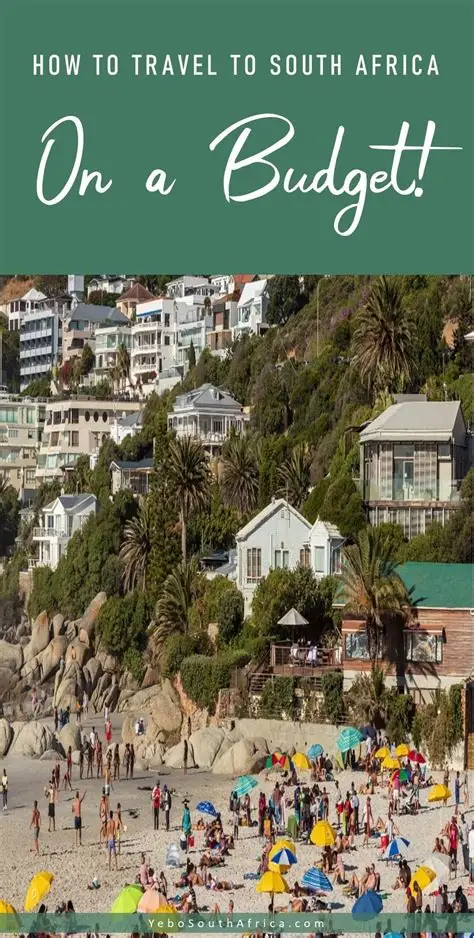
“South Africa has introduced a mandatory Digital Traveller Declaration System (SATMS), requiring travellers to submit online customs information before crossing borders. For budget travellers, this promises reduced delays, transparent duty-free limits, and fewer unexpected costs, though accessibility challenges remain for those without smartphones or internet.”
Budget travel in South Africa has long been defined by affordability, accessibility, and efficiency. From backpackers exploring the Garden Route to students crossing borders for short trips, keeping costs low while maximizing experiences has been the hallmark of this sector. In July 2026, the South African Revenue Service (SARS) introduced a sweeping reform: mandatory digital travel declarations for all cross-border travellers. This change, though administrative, carries significant implications for budget-conscious tourists and locals alike.
What Changed
- Mandatory Online Declarations: All travellers—citizens, residents, and foreigners—must submit an online declaration within 24 hours before departure.
- Digital Platforms: Declarations can be completed via the SARS website, SATMS mobile app, QR codes, or kiosks at ports of entry.
- Exemptions: Only transit passengers who remain in designated international zones are exempt.
- Information Required: Passport details, travel itinerary, goods or currency declarations.
Why It Matters for Budget Travellers
- Reduced Border Delays: Long queues at customs often add hidden costs to budget travel. Digital declarations streamline the process, saving time and money.
- Transparency in Duty-Free Limits: Travellers can now clearly understand allowances—goods up to R5,000 per person are duty-free.
- Lower Risk of Penalties: Budget travellers often carry small amounts of goods or currency. The digital system reduces the risk of accidental non-compliance fines.
- Digital Convenience: Filing online reduces stress compared to paper-based systems.
Broader Implications
- Tourism Accessibility: By simplifying entry, South Africa positions itself as a more attractive destination for budget tourists from Africa and beyond.
- Economic Impact: Streamlined customs processes may reduce overhead costs for airlines and bus operators, potentially lowering ticket prices.
- Regional Travel Boost: Easier cross-border movement supports budget-friendly trips from neighbouring countries like Zimbabwe, Mozambique, and Namibia.
Voices from the Travel Community
- Positive Reaction: “It’s faster, cheaper, and less stressful,” says a Cape Town hostel manager.
- Concerns: Some rural travellers without smartphones worry about accessibility.
- Government Position: Patricia de Lille, South Africa’s Minister of Tourism, emphasized that the digital system is not an immigration tool but a customs modernization initiative.
Risks and Challenges
- Digital Divide: Travellers without smartphones or internet access may struggle to comply.
- Strict Deadlines: Filing must be done within 24 hours of departure, requiring careful planning.
- Potential Penalties: Non-compliance could lead to fines or delays at entry points.
Conclusion
The SATMS represents a significant step forward in modernizing South Africa’s border management. For budget travellers, it offers faster processing, clearer rules, and fewer hidden costs. While challenges remain, especially around digital access, the system is poised to reshape budget travel across the region—making South Africa more accessible, affordable, and efficient for millions of travellers.



