




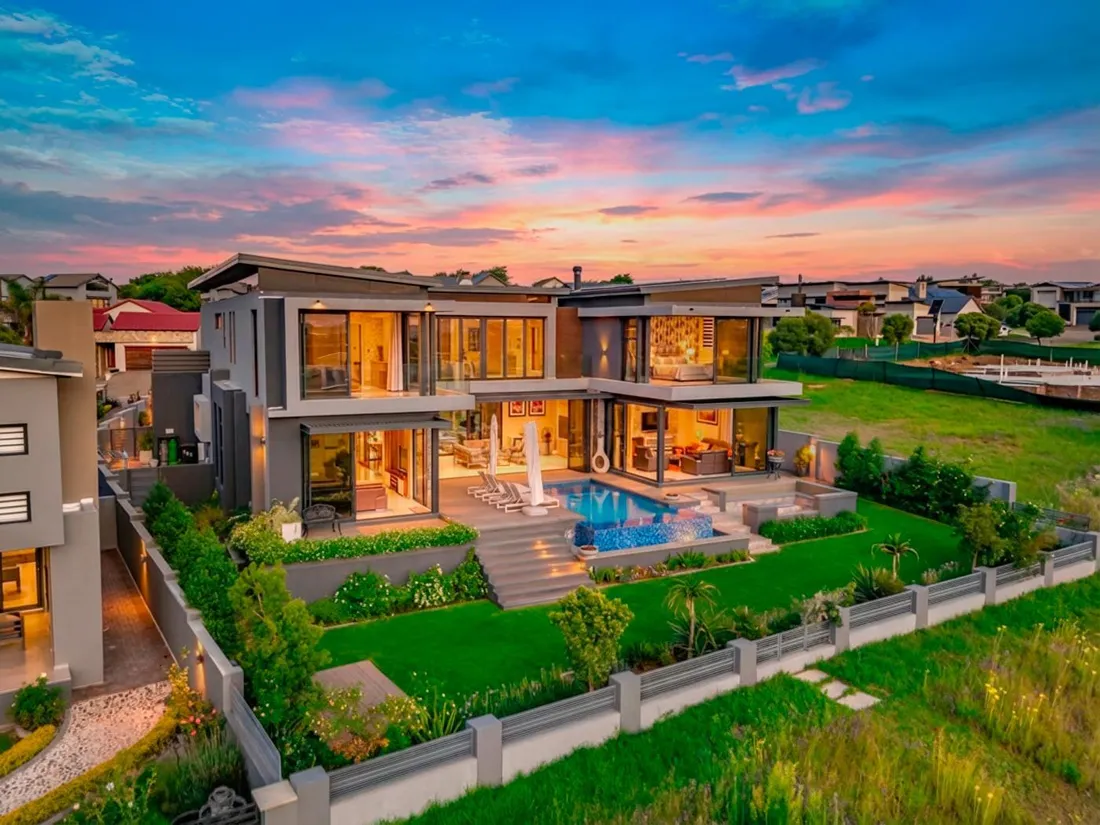
“South Africa’s real estate development sector in August 2026 is showing resilience, supported by stable interest rates and surging demand for affordable housing. International investors are increasingly drawn to coastal properties, while younger first-time buyers dominate the affordable land segment.”
South Africa’s real estate development market in August 2026 stands at a pivotal moment. Despite inflationary pressures and cautious monetary policy, the sector continues to demonstrate resilience. Developers, investors, and buyers are navigating a landscape defined by stable interest rates, semigration trends, and international capital inflows.
Interest Rate Stability and Market Confidence
The South African Reserve Bank (SARB) has maintained the repo rate at 7.00% and the prime lending rate at 10.50%. This decision reassures both buyers and developers, providing predictability in borrowing costs. Banks such as Absa, FNB, Standard Bank, and SA Home Loans are offering competitive mortgage packages, stimulating activity in the land and housing market.
Regional Dynamics in Land Transactions
- Western Cape: Semigration from Gauteng and KwaZulu-Natal continues to fuel demand. Cape Town remains premium, with average property prices at R3.35 million, far above the national average of R1.95 million.
- Garden Route (George, Knysna): Land values are appreciating at 6.5% annually, driven by lifestyle appeal and migration from inland provinces.
- Gauteng: Average growth is modest at 2.8%, but niche expansion is occurring in mixed-use developments and industrial land.
Affordable Housing and Land Demand
The affordable housing segment (below R1.2 million) remains the most active. Demand consistently outstrips supply, with first-time buyers aged 25–34 entering the market confidently. Developers are racing to meet demand in peri-urban areas, where competition for vacant plots is intensifying.
International Investment in Land
Foreign buyers from Europe and Asia are increasingly investing in South African land, particularly coastal properties. Favorable exchange rates and lifestyle appeal make South Africa an attractive destination for long-term investment. This influx of international capital is reshaping the coastal property landscape, with demand for luxury and lifestyle-driven land parcels rising.
Challenges Facing Development
Despite optimism, challenges remain:
- High household debt levels (62.5% debt-to-income ratio).
- Supply constraints in affordable housing pushing prices upward.
- Infrastructure gaps in peri-urban areas slowing development.
Outlook
Analysts predict that the dominance of first-time buyers and international investors will continue into 2027, reshaping the real estate development landscape. Developers who focus on affordable housing, mixed-use projects, and coastal investments are expected to thrive.
Conclusion
South Africa’s real estate development sector is balancing stability and transformation. With stable interest rates, semigration trends, and international investment, the market is poised for sustained growth. Yet, challenges in affordability and infrastructure must be addressed to ensure inclusive development.



