




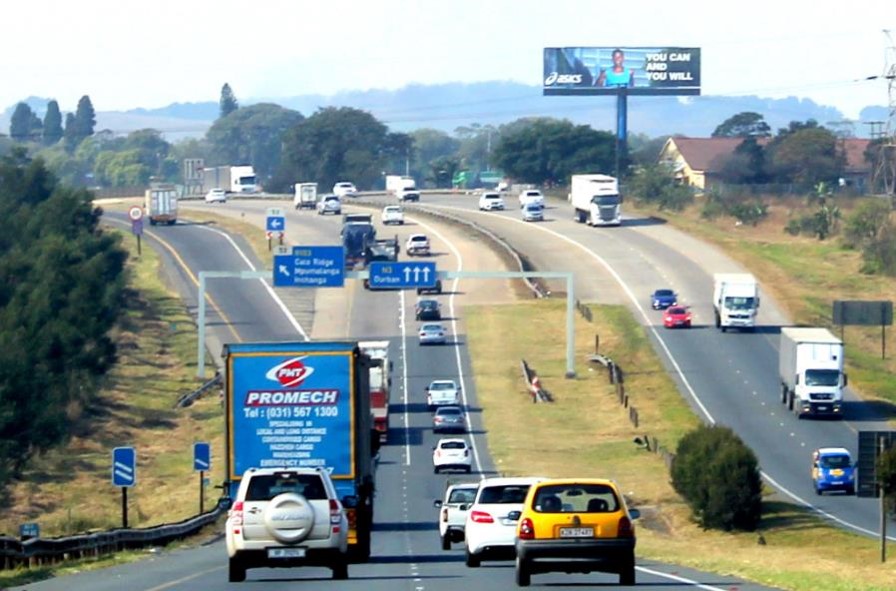
“Motorists traveling along the N3 and N2 highways in KwaZulu-Natal face significant delays due to ongoing roadworks and a long-term contraflow system diverting traffic between Hammarsdale and Key Ridge. Authorities urge drivers to plan ahead, reduce speed in construction zones, and expect disruptions that may last up to two years.”
South Africa’s transport infrastructure is undergoing a major transformation, particularly in KwaZulu-Natal, where extensive roadworks along the N3 and N2 highways are reshaping travel experiences for both local commuters and long-distance travelers. These projects, aimed at modernizing and expanding critical transport corridors, are essential for supporting economic growth, tourism, and logistics. However, they also bring immediate challenges, including delays, diversions, and heightened safety risks.
Current Situation
As of July 16, 2026, the N3 corridor between Cedara and Heidelberg remains open, but multiple sections are affected by lane closures and diversions. The most significant disruption is the contraflow system between Hammarsdale and Key Ridge, where southbound traffic has been diverted onto the northbound carriageway. This arrangement is expected to remain in place for up to two years, while a new southbound carriageway is constructed.
On the N2, restricted lanes between KwaMashu and Umdloti interchanges continue to slow traffic, particularly during peak hours. These disruptions are compounded by ongoing construction at the EB Cloete interchange, a critical junction connecting Durban’s major routes.
Impact on Travelers
For everyday commuters in Pietermaritzburg, Durban, and the Midlands, the roadworks mean longer travel times and increased stress. Logistics companies transporting goods between Johannesburg and Durban face higher costs due to delays and fuel inefficiencies. Tourism, too, is affected, as visitors traveling by road to KwaZulu-Natal’s beaches, game reserves, and cultural sites encounter unexpected detours.
Authorities have advised motorists to allow extra travel time, reduce speed in construction zones, and remain alert for changing traffic conditions. These measures are not only about convenience but also about safety, as construction zones present heightened risks of accidents.
Broader Transport Context
South Africa’s transport sector is experiencing simultaneous modernization across multiple fronts. Alongside roadworks, new digital travel rules introduced on July 1, 2026, require all travelers to submit online customs declarations before entering or leaving the country. This reflects a broader push toward efficiency and digitalization in travel management.
Air travel is also expanding, with airlines such as Turkish Airlines increasing flights to Johannesburg and Cape Town later this year. These developments highlight the dual nature of South Africa’s transport landscape: while road travelers face short-term inconvenience, the country is investing heavily in long-term improvements.
Economic and Social Implications
The N3 and N2 upgrades are part of a national strategy to strengthen logistics corridors, particularly those linking Durban’s port with inland economic hubs. Durban is Africa’s busiest port, and efficient road transport is vital for trade competitiveness. The construction projects, though disruptive, are expected to yield significant benefits, including reduced congestion, improved safety, and enhanced freight capacity.
Socially, the projects underscore the tension between immediate inconvenience and long-term gain. Communities along the affected routes face noise, dust, and accessibility challenges, yet they also stand to benefit from improved connectivity once the projects are complete.
Looking Ahead
The next two years will be critical for South Africa’s road transport sector. Motorists and businesses must adapt to the disruptions, while authorities must balance construction progress with effective traffic management. The success of these projects will depend on clear communication, efficient execution, and public cooperation.



