




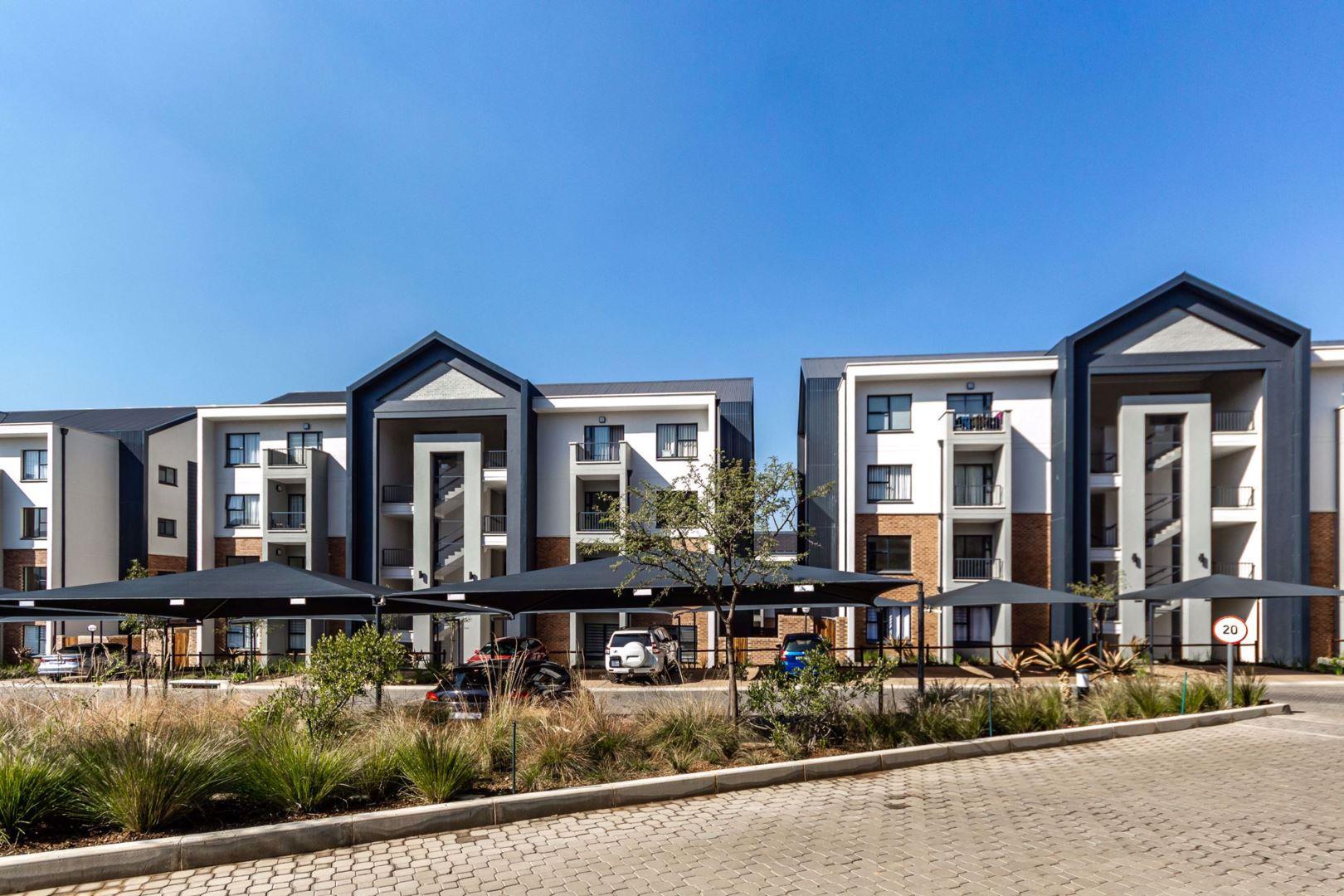
“South Africa’s rental market in 2026 is experiencing unprecedented demand, driven by households priced out of homeownership due to high interest rates. However, affordability pressures, rising defaults, and a surge in fraudulent rental applications are creating significant risks for both landlords and tenants.”
South Africa’s rental market in 2026 stands at a critical juncture, reflecting both opportunity and risk. On one hand, demand for rental properties has surged across major metros such as Johannesburg, Cape Town, Durban, and Pretoria. According to the TPN Rental Monitor, demand has grown by 15–20% year-on-year, largely fueled by households unable to afford homeownership. With the repo rate at 8.25% and the prime lending rate at 11.75%, mortgage repayments on a R1.5 million property now exceed R17,000 per month, pricing out middle-income earners earning less than R40,000 monthly.
This affordability crisis is reshaping the rental landscape. The South African Reserve Bank reports that households spend 62% of disposable income on debt servicing, leaving little room for rental payments. Rental escalations averaged 5.2% in 2025, outpacing salary increases of just 4.1%. The imbalance is particularly acute in the R5,000–R12,000 monthly rental bracket, where most South Africans rent. Tenants in this range are increasingly at risk of default, creating instability in the market.
Adding to the challenge is a sharp rise in fraudulent rental applications. Data shows a 30% increase in fraudulent applications compared to 2025, with falsified payslips (47%), fabricated employment references (28%), and identity theft (25%) being the most common tactics. Alarmingly, the Financial Sector Conduct Authority (FSCA) has flagged the growing use of AI-generated documents, which are nearly indistinguishable from genuine ones. This poses a major risk for landlords who rely solely on document reviews without professional verification.
Regional hotspots highlight the uneven dynamics of the rental market. Cape Town’s Western Seaboard and Johannesburg’s Sandton/Midrand corridor are seeing the highest rental demand, driven by semigration and proximity to employment hubs. Durban’s North Coast, particularly Umhlanga and Ballito, continues to attract Gauteng families seeking lifestyle changes, tightening vacancy rates further. Meanwhile, provinces such as the Eastern Cape and Free State show more moderate growth, reflecting regional economic disparities.
For landlords, the current environment presents both opportunity and risk. Tight vacancy rates give them pricing power, but affordability constraints and rising defaults threaten rental income stability. Many landlords are turning to professional tenant vetting services to combat fraud, while others are investing in amenities such as backup power systems to justify higher rents. Tenants, on the other hand, face mounting pressure as rental escalations outpace wage growth, forcing difficult trade-offs between housing and other essential expenses.
Looking ahead, the rental market’s trajectory will depend on broader macroeconomic conditions. If interest rates remain high, demand for rentals will continue to grow, but affordability will worsen. Policymakers may need to consider interventions to stabilize the sector, such as incentives for affordable housing development or stricter regulation of rental fraud. For now, South Africa’s rental market remains one of the most pressing economic stories of 2026, embodying both the resilience and fragility of the country’s housing sector.