




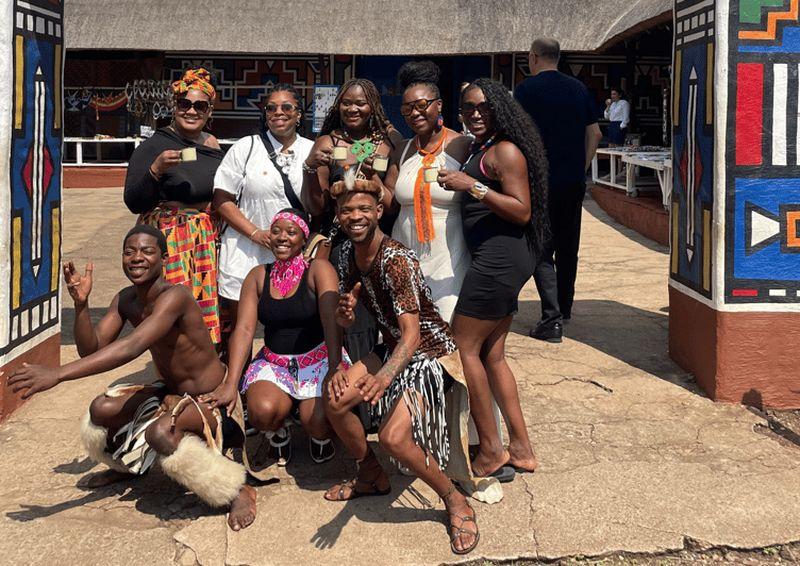
“South African Tourism is preparing a multimillion-rand campaign aimed at visitors from Nigeria and Ghana, with the agency seeking a Nigeria-based marketing company with a presence in Ghana. The initiative seeks to position South Africa as a welcoming destination for African nationals at a time when heritage, cultural exchange and tourism growth are receiving renewed attention.”
South Africa’s tourism story is shaped not only by its landscapes, wildlife and cities, but also by a question at the centre of cultural travel: how welcome do visitors feel? A report published on September 26 by Business Times says South African Tourism is preparing a multimillion-rand campaign aimed at visitors from Nigeria and Ghana, with the agency seeking a Nigeria-based marketing company with a presence in Ghana. The stated objective is to position South Africa as a welcoming destination for African nationals.
The development matters because tourism between African countries is also a form of cultural exchange. Travellers do not simply arrive to see Table Mountain, national parks or beaches. They encounter languages, food, music, fashion, heritage sites, neighbourhoods, traditions and contemporary creative industries. In turn, they bring their own cultures, spending power and expectations into the places they visit.
The Business Times report says South African Tourism acknowledges perceptions among some African visitors that the country can be unwelcoming, intimidating or closed-off. Such perceptions matter because destination choice is influenced by more than attractions and prices. A destination’s reputation, ease of travel, hospitality and feeling of belonging can shape whether people visit, return or recommend a place.
The proposed campaign places cultural welcome alongside conventional destination marketing. Rather than promoting South Africa only through scenic imagery, the strategy can be understood as an attempt to communicate a tourism experience: a country where African visitors can participate in its cultural life while discovering its destinations.
That message arrives during a relevant period. September is Heritage Month in South Africa, and Heritage Day on September 24 placed living traditions, languages, customs, music, dance and shared histories in the national spotlight. TimesLIVE reported on September 25 that thousands gathered in Umlazi for the annual uMkhosi weLembe celebration, where traditional song, dance, attire and ceremonies formed part of a public commemoration of Zulu heritage.
For travellers, events like these illustrate why culture is inseparable from tourism. A heritage celebration can become a reason to travel, an opportunity to learn and a channel through which local communities present their histories. It can also create economic activity for accommodation providers, restaurants, transport operators, guides, performers, artisans and small businesses.
South Africa’s official tourism ambitions provide another layer to the story. The Department of Tourism’s Tourism Growth Partnership Plan sets a target of 15 million international tourist arrivals by 2030, alongside goals for tourism spending and employment. Achieving those targets requires not only more visitors but also stronger connections between tourism and local communities.
Statistics South Africa data show that African markets are already important. In 2025, South Africa recorded 10,498,506 overnight tourists, while 75.2% of all tourists came from SADC countries. Tourists from other African countries represented a smaller share, but February 2026 statistics placed Ghana and Nigeria among the leading markets outside SADC. Ghana accounted for 3,333 tourists and Nigeria for 2,805 that month.
These figures help explain why West Africa is receiving attention. Ghana and Nigeria are established African travel markets, and increasing arrivals from them would broaden South Africa’s visitor base. However, marketing alone cannot determine how successful the effort becomes. Visitors experience a destination through airports, immigration procedures, hotels, restaurants, attractions, public transport, retail spaces and interactions with residents. The complete journey contributes to the reputation of a country.
This is where culture becomes practical rather than merely promotional. A traveller seeking cultural experiences may want more than a museum visit. They may seek local food, township experiences, traditional performances, craft markets, heritage buildings, contemporary African art, music events and opportunities to meet communities. When these experiences are well managed, tourism can provide income while helping cultural practitioners reach new audiences.
There is also an important distinction between presenting culture and commodifying it. Sustainable cultural tourism depends on communities having a meaningful role in deciding how their traditions are represented and experienced. Heritage sites and cultural events require careful management so tourism revenue supports preservation and local livelihoods without reducing living cultures to performances designed only for visitors.
South Africa has a broad cultural tourism offering. Its nine provinces contain different histories, languages, culinary traditions, artistic movements and landscapes. Johannesburg connects visitors with contemporary urban culture and the history of apartheid and democratic transition. Cape Town combines coastal tourism with heritage, food, design and creative industries. KwaZulu-Natal offers Zulu cultural experiences alongside beaches and nature, while Limpopo and Mpumalanga connect cultural heritage with wildlife, landscapes and community tourism.
The campaign reported by Business Times also comes as South Africa seeks stronger tourism growth across multiple markets. The Department of Tourism has described tourism as a driver of economic growth and job creation, while the Tourism Growth Partnership Plan sets targets for arrivals, spending and employment. In that context, strengthening perceptions among African travellers is part of a wider tourism strategy.
The cultural dimension is important because reputation spreads through personal experience. A visitor who feels respected and safe can become an informal ambassador for a destination, while a negative experience can influence friends, relatives and online audiences. Hospitality is therefore part of destination branding, even though it cannot be created by advertising alone.
South Africa’s Heritage Month provides an opportunity to make that distinction visible. Heritage is not simply an attraction placed on a tourism itinerary; it is lived by communities. Parliament’s Heritage Day message described living heritage as including monuments, languages, traditions, indigenous knowledge and cultural practices, while emphasizing values that connect communities. That approach aligns with tourism in which visitors are invited to understand places rather than simply consume them.
For businesses, the opportunity extends beyond large hotels and established attractions. Cultural tourism can support local guides, photographers, restaurants, artists, designers, musicians, event organisers, craft producers and transport providers. If new visitors from West Africa spend across these parts of the tourism value chain, benefits can reach a wider group of enterprises.
However, the success of the proposed outreach will depend on what visitors encounter after the marketing message has done its work. Clear communication, efficient travel processes, welcoming service, reliable information and respectful treatment can reinforce the image that campaigns attempt to create. Conversely, gaps between advertising and lived experience can weaken trust.
The September 26 report places a broader cultural question at the centre of South Africa’s tourism conversation. The country is not simply competing for travellers by offering attractions; it is also communicating what kind of relationship it wants with visitors from the rest of Africa.
As South Africa moves beyond Heritage Day and toward World Tourism Day on September 27, that relationship is especially relevant. The opportunity is to connect tourism growth with cultural exchange, local enterprise and a sense of welcome. For travellers, the result could be a South Africa experienced not only through famous landmarks, but through the people, stories, traditions and creative energy that make each destination distinctive.
The latest campaign is still a planned marketing initiative, not evidence that perceptions or visitor numbers have already changed. Its significance lies in the recognition that cultural reputation is part of the tourism product itself. If South Africa wants more African travellers, the invitation has to extend beyond an advertisement: it has to be reflected in the complete visitor experience, from arrival to departure.



