




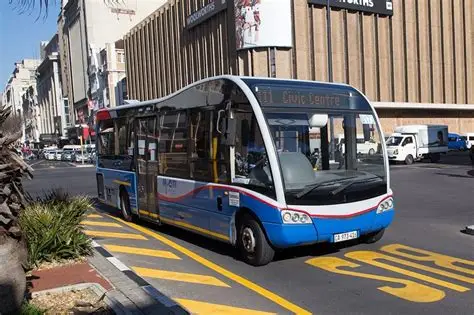
“South Africa’s transport system is undergoing a major reset, with government prioritizing rail and port reforms to strengthen logistics and reduce reliance on road freight. Minister Barbara Creecy announced new private rail operators, expanded passenger services, and port modernization projects to drive economic recovery and sustainability.”
South Africa’s transport and logistics system has long been recognized as the backbone of its economy, enabling trade, passenger mobility, and regional integration. However, years of underinvestment, operational inefficiencies, and the pandemic’s impact left rail and port infrastructure struggling. At SATC 2026, Minister Barbara Creecy declared that the country is entering a “transport reset,” with reforms designed to restore competitiveness, improve safety, and reduce environmental impact.
Rail Reform: Backbone of Freight Logistics
- Private Operators Approved: Eleven private Train Operating Companies (TOCs) were approved in March 2026, with operations set to begin in April 2027. This marks the first time private capital and expertise will be integrated into the state-owned rail network.
- Freight Targets: Government aims to move 250 million tonnes of freight by 2030, shifting cargo from road to rail. This will reduce road congestion, improve safety, and cut CO2 emissions.
- Passenger Rail Recovery: PRASA has restored 35 of 40 priority rail lines, with passenger trips rising from 10 million in 2020/21 to 101 million in 2025/26. The target is 600 million trips by 2030/31, returning to pre-pandemic levels.
The “People’s Train” Initiative
The locally manufactured Isitimela Sabantu (“People’s Train”) has been introduced on recovered lines. It offers safer, more affordable travel for commuters, symbolizing government’s commitment to inclusive mobility. This initiative also supports local manufacturing and job creation.
Port Modernization
- Ngqura Manganese Export Corridor: Private sector participation projects are being prepared to expand capacity.
- Richards Bay Dry Bulk Terminal: Infrastructure upgrades will improve efficiency in handling bulk commodities.
- Container Terminals: Modernization projects are expected to attract investment and reduce bottlenecks. Ports are critical for South Africa’s trade competitiveness, and reforms aim to reduce delays that have cost the economy billions.
Challenges and Risks
- Execution Gap: While reforms are ambitious, delivery remains the biggest challenge. Past initiatives have faltered due to bureaucratic delays and funding constraints.
- Regional Competition: Neighboring countries, such as Namibia and Mozambique, have captured cargo flows due to South Africa’s inefficiencies.
- Public Trust: Commuters and businesses remain skeptical, demanding visible improvements before confidence can be restored.
Economic and Social Impact
- Job Creation: Rail and port reforms are expected to generate thousands of jobs in construction, operations, and manufacturing.
- Trade Competitiveness: Efficient logistics will lower costs for exporters and importers, boosting South Africa’s role in regional trade.
- Environmental Benefits: Shifting freight from road to rail will significantly reduce emissions, aligning with climate commitments.
Conclusion
SATC 2026 signals a turning point for South Africa’s transport sector. With rail recovery, port modernization, and private sector participation, the government is betting on logistics reform to drive economic growth and sustainability. The challenge now lies in execution—turning bold plans into tangible results that commuters, businesses, and investors can trust.



