




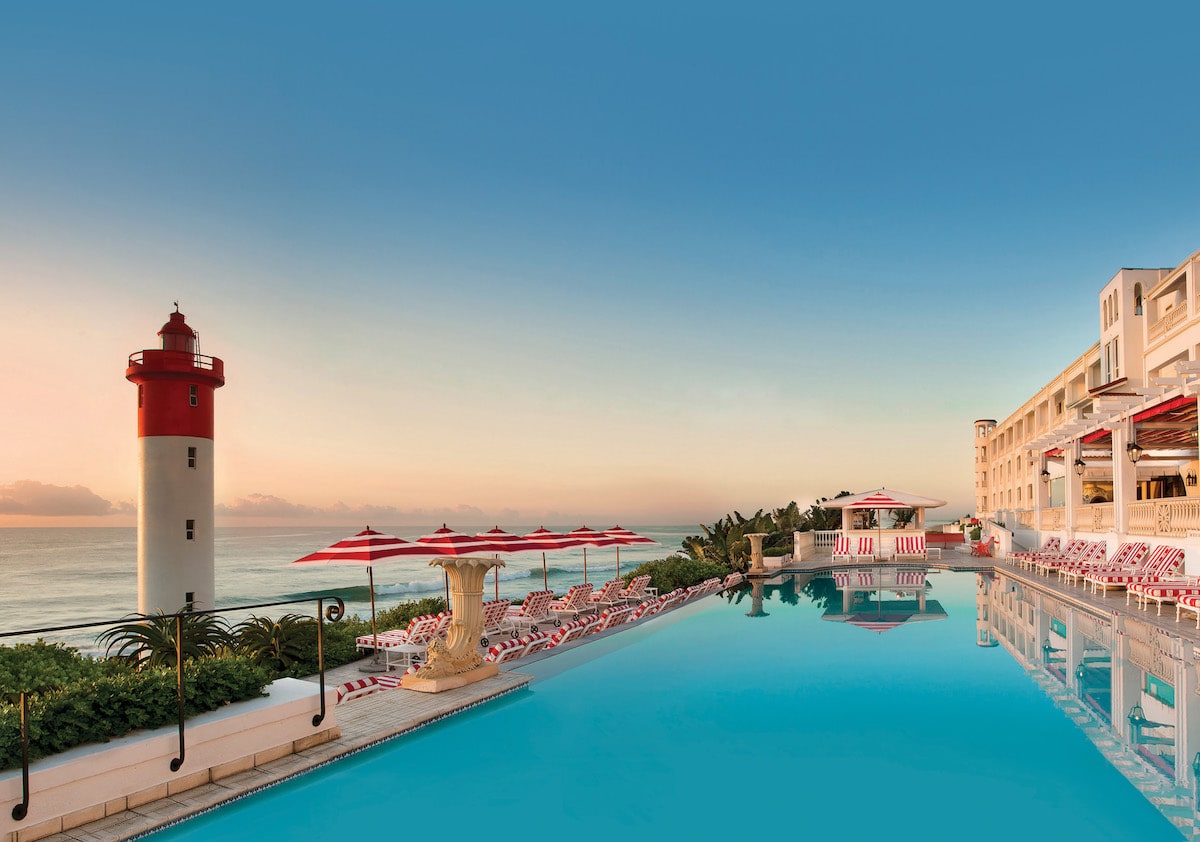
“Luxury travel in South Africa is increasingly defined by regenerative eco-tourism, where guests enjoy world-class lodges while actively contributing to wildlife conservation. From Cape Vulture reserves to sea turtle nesting sites, travelers are experiencing luxury that leaves a lasting ecological legacy.”
Luxury travel in 2026 is no longer just about opulence, exclusivity, and indulgence. In South Africa, the concept of luxury has evolved into something far more profound: regenerative eco-tourism. This new model combines high-end hospitality with conservation, offering travelers experiences that are both lavish and environmentally impactful. As global demand for sustainable travel grows, South Africa has positioned itself at the forefront of this movement, redefining what luxury means in the modern era.
The Rise of Regenerative Luxury
According to recent studies, 85% of global travelers now seek sustainable travel options, and South Africa has responded by integrating conservation into its luxury offerings. Unlike traditional eco-tourism, regenerative travel goes beyond minimizing harm—it actively restores ecosystems and supports endangered species. Luxury safari lodges and resorts are leading this transformation, offering guests immersive experiences that contribute directly to conservation projects.
Case Study: Cape Vulture Nature Reserve
One of the most compelling examples is the Cape Vulture Nature Reserve in the Northern Drakensberg. Home to the third-largest breeding colony of Cape Vultures in South Africa, the reserve plays a critical role in sustaining this endangered species. Guests not only witness these majestic birds in their natural habitat but also participate in conservation initiatives such as habitat protection and anti-poaching efforts. With only around 4,000 breeding pairs remaining worldwide, the reserve’s work is vital, and travelers become part of this mission.
Case Study: Thonga Beach Lodge
On the coastline, Thonga Beach Lodge offers another regenerative luxury experience. Guests observe the ancient nesting cycles of endangered sea turtles, contributing to conservation programs that protect these fragile species. The lodge combines beachfront luxury with ecological stewardship, ensuring that every stay supports marine biodiversity.
The Luxury-Conservation Balance
South Africa’s luxury travel sector has mastered the balance between indulgence and responsibility. Guests enjoy five-star accommodations, gourmet cuisine, and exclusive safaris, but these experiences are intertwined with conservation. This dual offering appeals to affluent travelers who want their journeys to be meaningful, aligning personal enjoyment with global responsibility.
Economic and Social Impact
The regenerative model also benefits local communities. Many lodges employ local staff, support community projects, and invest in education. This ensures that luxury tourism contributes not only to environmental sustainability but also to social development. By creating jobs and funding local initiatives, the industry strengthens South Africa’s economy while preserving its natural heritage.
Global Appeal
South Africa’s approach resonates globally, attracting travelers from Europe, North America, and Asia. The country’s ability to combine luxury with conservation sets it apart in the competitive travel market. As more travelers seek experiences that align with their values, South Africa’s regenerative luxury offerings are becoming a benchmark for the industry.
Challenges and Opportunities
Despite its success, regenerative luxury travel faces challenges. Maintaining ecological integrity requires constant vigilance against poaching, habitat destruction, and climate change. However, these challenges also present opportunities for innovation. South African lodges are increasingly using AI, drones, and advanced monitoring systems to enhance conservation efforts, ensuring that luxury travel remains sustainable in the long term.
Conclusion
Luxury travel in South Africa has entered a new era—one where indulgence is inseparable from responsibility. By embracing regenerative eco-tourism, the country has redefined luxury as an experience that restores ecosystems, supports endangered species, and uplifts local communities. For travelers, this means enjoying world-class hospitality while leaving a lasting positive impact. For South Africa, it means securing its place as a global leader in sustainable luxury travel.



