




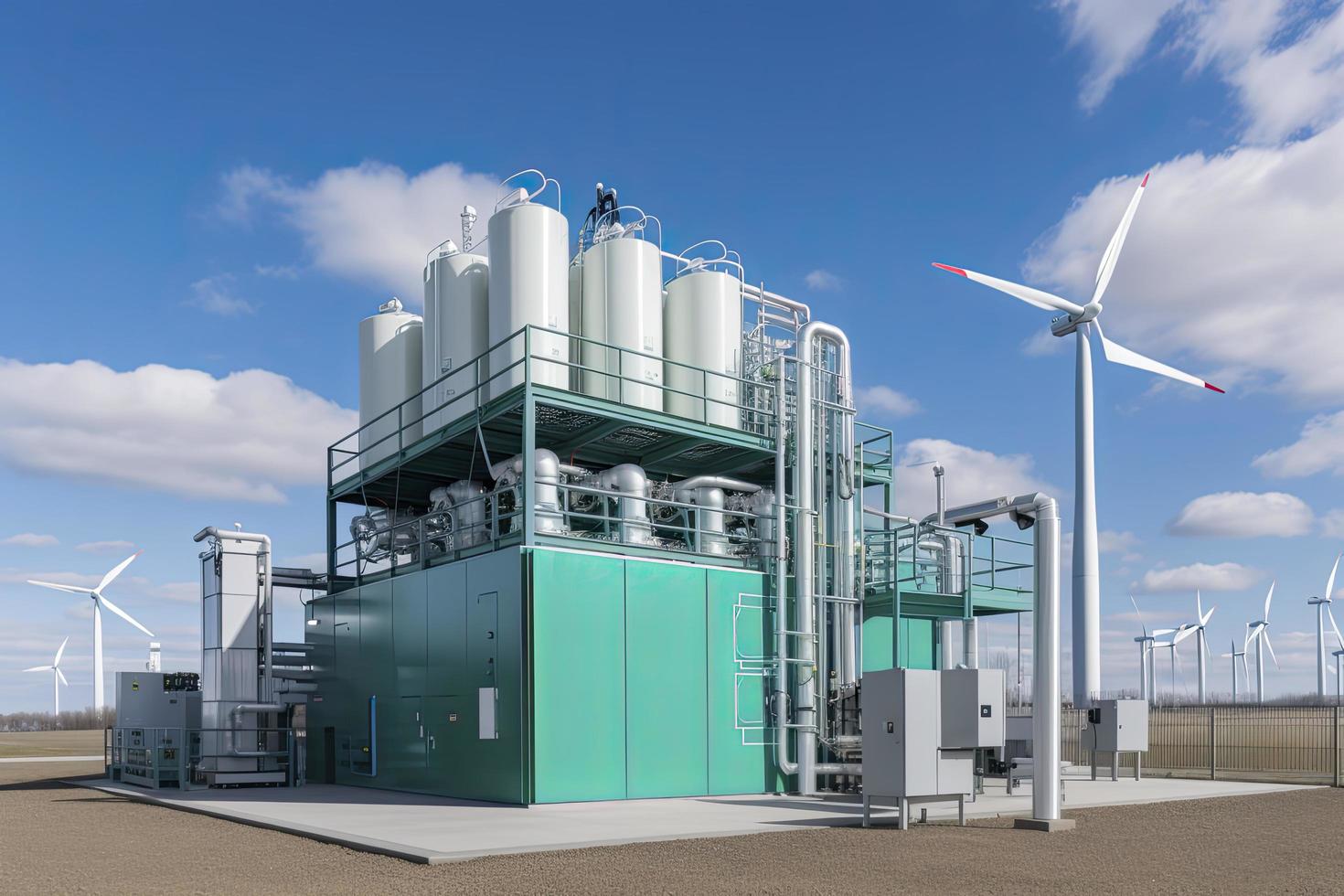
“South Africa’s Department of Trade, Industry and Competition announced plans to redesign Special Economic Zones (SEZs) into Hydrogen Industrial Hubs, combining fiscal incentives with infrastructure and streamlined permitting. This move aims to establish South Africa as a competitive global player in green hydrogen, green ammonia, and green steel production.”
South Africa is at a critical juncture in its energy transition. With global momentum shifting toward decarbonization, the country’s reliance on coal has long been a challenge. Now, policymakers are exploring innovative frameworks to reposition South Africa as a leader in the emerging green hydrogen economy. The latest proposal from the Department of Trade, Industry and Competition (DTIC) suggests transforming Special Economic Zones (SEZs) into Hydrogen Industrial Hubs, a move that could redefine the nation’s industrial and energy landscape.
Background: SEZs in South Africa
Special Economic Zones have historically been used to attract investment, stimulate industrial growth, and create jobs. They offer fiscal incentives, tax breaks, and infrastructure support to businesses operating within designated areas. However, the traditional SEZ model has limitations, particularly in addressing the complexities of energy transition. Shaun Moses, Acting Chief Director of SEZs at DTIC, argues that SEZs must evolve beyond their conventional role to meet the demands of a rapidly changing global energy market.
The Hydrogen Opportunity
Hydrogen is increasingly seen as a cornerstone of the global energy transition. Green hydrogen, produced using renewable energy, offers a pathway to decarbonize hard-to-abate sectors such as steel, cement, and shipping. South Africa, with its abundant renewable resources and industrial base, is uniquely positioned to become a major player in this sector. By leveraging SEZs, the country could create integrated ecosystems for hydrogen production, beneficiation, and downstream manufacturing.
Proposed Model: Hydrogen Industrial Hubs
The new model envisions SEZs as Hydrogen Industrial Hubs that combine:
- Fiscal incentives to reduce capital and operational costs.
- Dedicated infrastructure such as renewable energy supply, transmission lines, and port facilities.
- Streamlined permitting to accelerate project development.
- Localisation support to ensure domestic industries benefit from hydrogen-related investments.
This integrated approach would provide investors with a ready-made environment to develop hydrogen projects, reducing risks and improving confidence.
Investment Potential
The hydrogen hubs could attract investment across the value chain:
- Green hydrogen production using solar and wind power.
- Green ammonia for fertilizer and shipping fuel.
- Green steel to decarbonize the mining and manufacturing sectors.
- Logistics and export infrastructure to connect South Africa to global markets.
Such investments could generate thousands of jobs, stimulate local industries, and position South Africa as a hub for clean energy innovation.
Challenges and Risks
Despite the promise, several challenges remain:
- Infrastructure gaps: South Africa’s transmission network and port facilities require significant upgrades.
- Regulatory complexity: Coordination between national, provincial, and municipal institutions is essential to avoid delays.
- Global competition: Countries like Germany, Japan, and Australia are already advancing hydrogen strategies.
- Financing hurdles: Large-scale hydrogen projects require billions in upfront investment.
Addressing these challenges will be critical to realizing the vision of hydrogen hubs.
Strategic Importance
The proposal aligns with South Africa’s broader energy transition goals. By diversifying away from coal and embracing hydrogen, the country can reduce emissions, improve energy security, and strengthen its industrial competitiveness. Moreover, hydrogen hubs could serve as a platform for regional cooperation, linking South Africa with neighboring countries in a continental hydrogen economy.
Conclusion
South Africa’s plan to transform SEZs into Hydrogen Industrial Hubs represents a bold step toward a sustainable energy future. If successfully implemented, it could position the country as a global leader in green hydrogen, attract billions in investment, and create a new industrial ecosystem. The coming months will be crucial as policymakers, investors, and industry stakeholders work to turn this vision into reality.



