




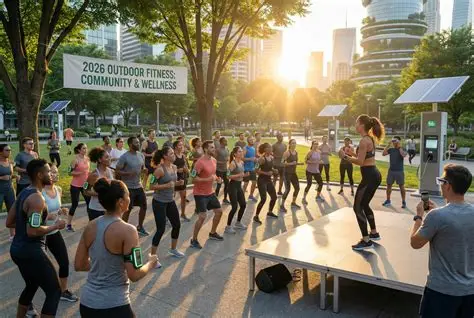
“South Africa’s fitness industry is undergoing a cultural revolution, moving away from solitary gym routines toward community-driven workouts. This “clubhouse effect” is turning fitness spaces into social hubs, boosting participation, motivation, and long-term wellness.”
n 2026, South Africa’s fitness landscape is experiencing a profound transformation. The traditional image of rows of treadmills and solitary workouts is giving way to a new model: fitness as community. Researchers and wellness practitioners are calling this phenomenon the “clubhouse effect”, a cultural shift where gyms, studios, and outdoor fitness groups serve as social hubs, fostering belonging and connection alongside physical health.
The Rise of Social Fitness
At dawn in Cape Town’s Biscuit Mill, kettlebells clatter while the smell of coffee fills the air. Trainers chat with newcomers about their personal lives, and after the official class ends, participants linger, planning sunset hikes together. This is not just exercise — it is community-building. Similar scenes are unfolding in Salt River’s old printworks, an abandoned church hall in Observatory, and rooftop studios across Johannesburg. These spaces are designed less for sculpting physiques and more for cultivating friendships.
Why Connection Matters
The World Health Organization’s Commission on Social Connection recently warned that loneliness can be as harmful to health as smoking or obesity. In South Africa, where urbanization and digital lifestyles have reduced traditional community spaces, fitness has emerged as one of the few remaining opportunities for regular, face-to-face interaction. Exercising together not only improves motivation but also strengthens social health, making routines more sustainable.
The Business of Belonging
Planet Fitness South Africa’s 2025 trend survey revealed that “high-interaction, small-format” memberships grew by 42%, while mega-gyms stagnated. Property developers are responding by repurposing smaller venues into boutique studios, recognizing that members are more likely to stay longer, socialize, and support local businesses nearby. Fitness is no longer just about sweat; it is about creating a lifestyle ecosystem where people arrive early, linger after classes, and integrate wellness into their daily routines.
Case Study: One Flow Yoga & Wellness Social Club
In Green Point, Cape Town, One Flow Yoga exemplifies this new model. Co-founder Jeanae Dumas emphasizes that social wellness is now central to fitness, not a side benefit. Their programming includes yoga, sauna journeys, and strength-based classes, all designed around shared experiences. Dumas argues that exercising alone risks adding to social isolation, while group fitness provides accountability and joy.
Economic and Social Impact
This fitness revolution is reshaping urban economies. Property owners now favor micro-studio collectives over anchor supermarkets, as fitness hubs drive foot traffic to local cafés and shops. The blending of wellness with social interaction strengthens community ties, making fitness a cultural movement rather than a personal obligation.
Challenges Ahead
Despite the optimism, challenges remain. Access to boutique studios and wellness hubs is limited to wealthier demographics, raising concerns about inequality. Policymakers and health advocates must ensure these innovations are inclusive and accessible to all South Africans.
Conclusion
The clubhouse effect is more than a fitness trend — it is a social revolution. By transforming gyms into community hubs, South Africa is redefining wellness as a shared journey. In 2026, fitness is no longer just about physical strength; it is about belonging, resilience, and collective health.



