




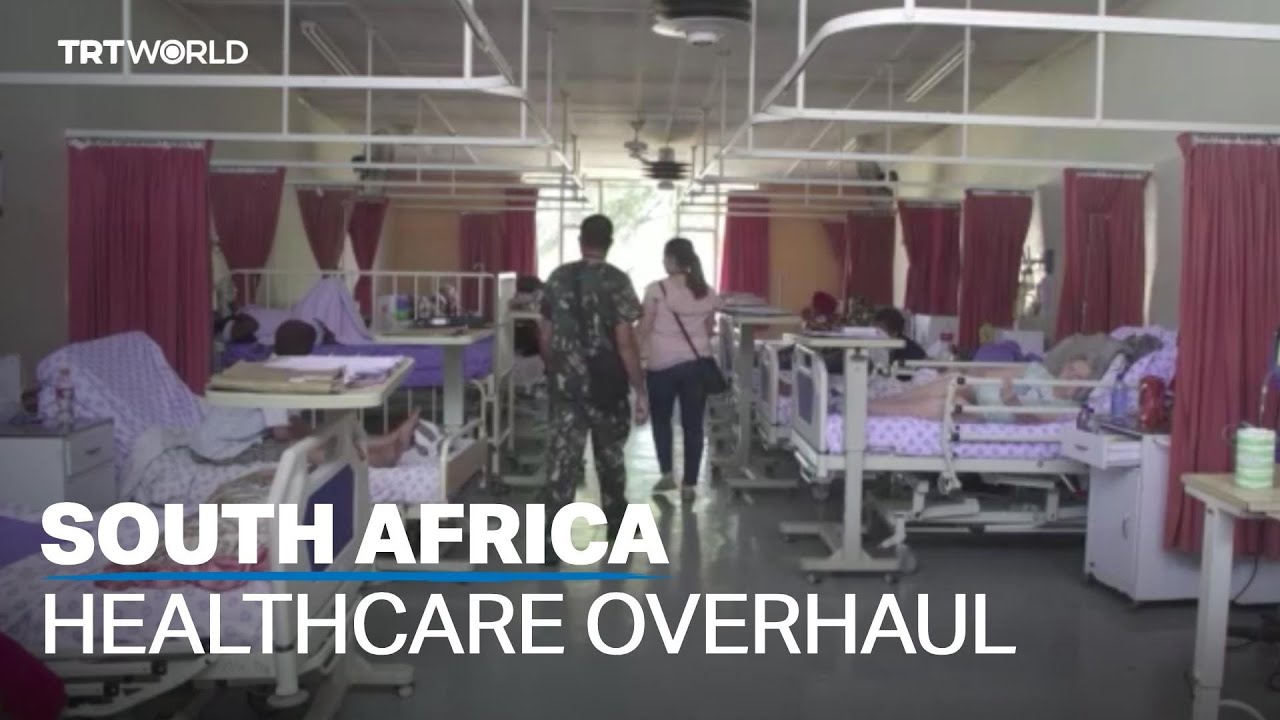
“The United States has announced a phased withdrawal of PEPFAR funding in South Africa, citing policy disagreements with Pretoria. UNAIDS warns the move could cost lives in the country with the world’s largest HIV-positive population, urging Washington to reconsider.”
South Africa, home to the largest population of people living with HIV globally, faces a critical healthcare policy crisis following the United States’ decision to initiate a phased withdrawal of funding under the President’s Emergency Plan for AIDS Relief (PEPFAR). The announcement has sparked alarm among public health advocates, with UNAIDS Executive Director Winnie Byanyima publicly urging Washington to reconsider the move, warning that it could undo decades of progress in combating HIV/AIDS.
PEPFAR has historically been a cornerstone of South Africa’s HIV/AIDS response, providing over $400 million annually and covering the salaries of approximately 15,000 healthcare workers. While South Africa does not rely on U.S. funding for antiretroviral drugs directly, PEPFAR has contributed up to 17% of the country’s HIV funding, supporting critical infrastructure and personnel. The program has been instrumental in ensuring that 8 million South Africans living with HIV—the highest number worldwide—have access to lifesaving treatment.
The U.S. State Department justified the decision by arguing that South Africa, as a middle-income country, is capable of sustaining its own health programs. Officials also cited Pretoria’s failure to meet certain policy demands, including reducing ties with Iran, ending Black Economic Empowerment policies, and addressing controversial anti-apartheid chants. Critics, however, argue that conditioning healthcare funding on political concessions undermines the humanitarian principles of global health aid.
Byanyima’s appeal highlights the human cost of the decision. “Taking it away is taking away life-saving support from the most vulnerable people,” she said, emphasizing that abrupt funding cuts risk destabilizing healthcare systems already under strain. She called for a planned transition rather than a sudden withdrawal, noting that the global target to end AIDS as a public health threat by 2030 is now at risk.
The broader context compounds the urgency. Global development assistance from traditional donors in Europe and North America has been declining, leaving countries like South Africa vulnerable to funding shocks. At the same time, South Africa’s domestic healthcare system faces challenges of budget constraints, corruption, and staffing shortages, raising questions about its ability to absorb the financial gap left by PEPFAR.
The implications extend beyond HIV/AIDS. Reduced funding could weaken South Africa’s broader public health infrastructure, affecting tuberculosis screening, maternal health programs, and community-based care initiatives. Experts warn that without sustained international support, the country risks rising infection rates, treatment interruptions, and increased mortality.
This development also underscores the geopolitical dimensions of healthcare policy. Conditioning aid on foreign policy alignment sets a precedent that could politicize global health assistance, potentially undermining trust between donor and recipient nations. For South Africa, the decision comes at a time when its ambitious National Health Insurance (NHI) program is already facing financial and legal hurdles, further complicating the path toward universal healthcare.
In conclusion, the U.S. withdrawal of PEPFAR funding represents a pivotal moment for South Africa’s healthcare policy. While the government may be expected to shoulder more responsibility for its HIV/AIDS programs, the abrupt nature of the cuts threatens to destabilize progress made over decades. UNAIDS’ call for reconsideration reflects the global consensus that healthcare aid should prioritize lives over politics. The coming months will reveal whether Washington adjusts its stance or whether South Africa must urgently reconfigure its healthcare financing to prevent a public health crisis.



