




“Recent polling shows the ANC’s support slipping to just 31% nationally, down from 45.6% in 2021, with voters dispersing across smaller parties such as the MK Party, DA, and EFF. Experts caution that this fragmentation could lead to unstable coalitions and hung councils in major metros during the November 4, 2026 elections.”
South Africa’s political landscape is undergoing a seismic transformation as the country prepares for the local government elections scheduled for November 4, 2026. Once dominant, the African National Congress (ANC) now faces unprecedented challenges, with polling data suggesting its support has dropped to historic lows. This decline signals a profound shift in voter sentiment, raising questions about the future of governance, coalition politics, and service delivery in the country’s major metros.
Polling Data and Fragmentation
Recent surveys conducted by Ipsos and the Social Research Foundation (SRF) reveal the extent of the ANC’s decline. Ipsos data from June–July 2026 places the ANC at 31% nationally, while the DA stands at 25%. The MK Party, linked to former President Jacob Zuma, has surged in KwaZulu-Natal, commanding 55% in Durban. Meanwhile, the SRF survey shows ANC at 34%, DA at 27%, MK at 15%, and EFF at 7%, with smaller parties collectively capturing 15%.
Analysts describe this as “dynamic fragmentation”—a scenario where ANC dominance erodes without a single rival consolidating power. Instead, voters are dispersing their preferences across multiple parties, creating a fragmented political environment that could reshape local governance.
ANC’s Struggles
The ANC’s campaign has faltered on several fronts:
- Candidate registration disputes with the Electoral Commission (IEC) in the Eastern Cape.
- Failure to finalize candidate lists for key metros.
- Internal divisions and declining trust among urban voters.
These challenges have compounded the party’s struggles with corruption scandals, service delivery failures, and economic stagnation, further eroding public confidence.
Rise of Smaller Parties
- MK Party (Jacob Zuma-linked): Strong in KwaZulu-Natal, reshaping local dynamics.
- Democratic Alliance (DA): Gains in metros like Buffalo City and Mangaung.
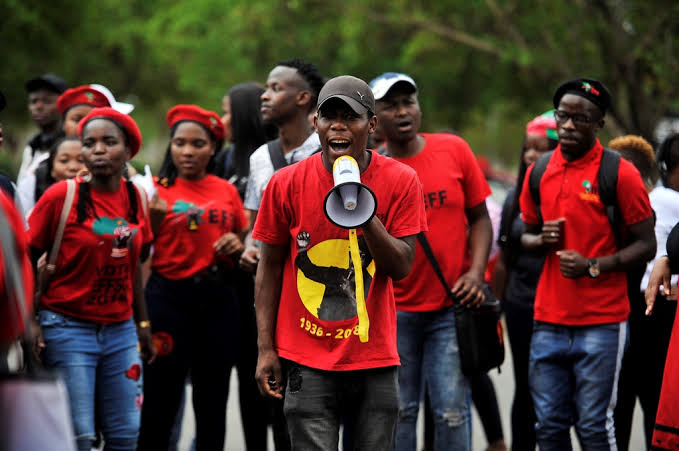
- Economic Freedom Fighters (EFF): Holding steady at 7–12%, appealing to younger voters.
- Smaller parties: Collectively capturing 15% of the vote, signaling voter disillusionment with traditional powerhouses.
Key Battlegrounds
- Johannesburg, Durban, Pretoria: No single party expected to dominate.
- Cape Town: DA stronghold remains intact.
- Buffalo City & Mangaung: ANC risks losing outright majorities.
These battlegrounds highlight the growing unpredictability of South African politics, where coalition governments are becoming the norm rather than the exception.
Expert Analysis
Dr. Ongama Mtimka of Nelson Mandela University warns that South Africa is entering an era of coalition politics, where governance will depend on fragile alliances. This could lead to instability in service delivery, policy implementation, and municipal management.
Voter Sentiment
- Disillusionment with ANC: Corruption scandals, service delivery failures, and economic stagnation.
- Urban voters: Increasingly skeptical of ANC promises.
- Youth vote: More inclined toward EFF and smaller radical parties.
This shift reflects a broader trend of declining trust in established political institutions, with voters seeking alternatives that promise accountability and change.
Implications for Governance
Coalition governments are likely in most metros, raising concerns about:
- Policy paralysis if alliances collapse.
- Service delivery risks in municipalities already struggling with infrastructure and finances.
- Increased political instability as parties negotiate fragile power-sharing agreements.
Conclusion
The November 2026 elections mark a turning point in South Africa’s democratic journey. The ANC’s decline underscores the electorate’s growing frustration with corruption, poor service delivery, and economic stagnation. As voters splinter across multiple parties, the country is entering an era of coalition politics that could redefine governance at the local level. Whether this fragmentation leads to greater accountability or deeper instability remains to be seen, but one thing is clear: South Africa’s political future will be shaped by negotiation, compromise, and the voices of a diverse electorate.



