




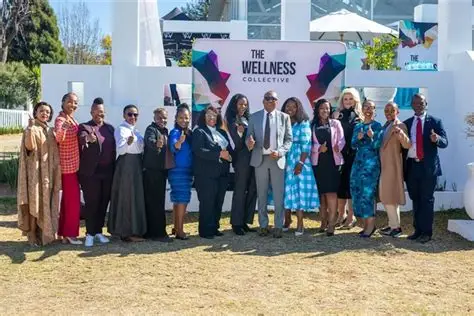
“At the Wellness Collective Summit 2026 in Midrand, South Africa announced that fitness and lifestyle medicine will be treated as national health priorities, integrating nutrition, mental health, and community-based fitness programs. This landmark decision aims to reduce chronic diseases and foster healthier, more resilient communities.”
South Africa has reached a pivotal moment in its public health journey. On August 28, 2026, at the Wellness Collective Summit in Midrand, Gauteng, policymakers, health experts, and community leaders declared that fitness and lifestyle medicine are now national priorities. This announcement represents a paradigm shift: wellness is no longer viewed as a personal choice but as a cornerstone of national policy.
The Health Crisis
South Africa faces a dual burden of disease:
- Non-communicable diseases (NCDs): Diabetes, hypertension, obesity, and mental health disorders are rising sharply.
- Infectious diseases: HIV and tuberculosis remain pressing challenges.
This combination threatens both the healthcare system and economic productivity, making preventive strategies essential.
Key Themes from the Summit
- Women’s Health: Maternal health and empowerment programs emphasized women as the backbone of family wellness.
- Mental Health Integration: Stress management through resilience training, neurofeedback, and community support.
- Nutrition & Physical Activity: Evidence-based diet and exercise strategies to reduce chronic disease.
- Harm Reduction: Tackling risks from alcohol, tobacco, and sedentary lifestyles.
- Technology & Innovation: AI-driven wellness platforms and telemedicine expanding access to fitness and healthcare.
Expert Voices
- Mbali Mapholi (Dietician): “Knowledge alone isn’t enough. We must make healthy choices simple, practical, and achievable.”
- Faith Mazibuko (Gauteng MEC of Health): “Wellness is no longer just personal—it is a national priority central to building stronger communities.”
- Tumi Mthembu (Founder of WomenCan): “Healthcare is evolving rapidly. Collaboration and innovation are key to reimagining wellness.”
Fitness Revolution in Practice
South Africa’s fitness industry is evolving rapidly:
- Longevity Clinics: Offering biological age testing and regenerative therapies.
- Mind Gyms: Training mental resilience through breathwork and neurofeedback.
- Bio-Harmony Nutrition: Personalized diets using local superfoods like rooibos and baobab.
- Clubhouse Effect: Fitness spaces doubling as social hubs, strengthening community ties.
South Africa has reached a pivotal moment in its public health journey. On August 28, 2026, at the Wellness Collective Summit in Midrand, Gauteng, policymakers, health experts, and community leaders declared that fitness and lifestyle medicine are now national priorities. This announcement represents a paradigm shift: wellness is no longer viewed as a personal choice but as a cornerstone of national policy.
The Health Crisis
South Africa faces a dual burden of disease:
- Non-communicable diseases (NCDs): Diabetes, hypertension, obesity, and mental health disorders are rising sharply.
- Infectious diseases: HIV and tuberculosis remain pressing challenges.
This combination threatens both the healthcare system and economic productivity, making preventive strategies essential.
Key Themes from the Summit
- Women’s Health: Maternal health and empowerment programs emphasized women as the backbone of family wellness.
- Mental Health Integration: Stress management through resilience training, neurofeedback, and community support.
- Nutrition & Physical Activity: Evidence-based diet and exercise strategies to reduce chronic disease.
- Harm Reduction: Tackling risks from alcohol, tobacco, and sedentary lifestyles.
- Technology & Innovation: AI-driven wellness platforms and telemedicine expanding access to fitness and healthcare.
Expert Voices
- Mbali Mapholi (Dietician): “Knowledge alone isn’t enough. We must make healthy choices simple, practical, and achievable.”
- Faith Mazibuko (Gauteng MEC of Health): “Wellness is no longer just personal—it is a national priority central to building stronger communities.”
- Tumi Mthembu (Founder of WomenCan): “Healthcare is evolving rapidly. Collaboration and innovation are key to reimagining wellness.”
Fitness Revolution in Practice
South Africa’s fitness industry is evolving rapidly:
- Longevity Clinics: Offering biological age testing and regenerative therapies.
- Mind Gyms: Training mental resilience through breathwork and neurofeedback.
- Bio-Harmony Nutrition: Personalized diets using local superfoods like rooibos and baobab.
- Clubhouse Effect: Fitness spaces doubling as social hubs, strengthening community ties.
Policy and Collaboration
Government representatives emphasized:
- Evidence-based regulation
- Collaboration between public and private sectors
- Workplace wellness programs
- Community fitness initiatives
Risks and Challenges
- Economic Inequality: Many households struggle to afford healthy food and fitness programs.
- Food Industry Resistance: Ultra-processed food companies may lobby against stricter regulations.
- Accessibility: Rural communities may face barriers to accessing wellness programs.
Broader Implications
This declaration is expected to influence:
- Healthcare Policy
- Agricultural Practices
- Consumer Behavior
By reconnecting communities with cultural eating practices and fitness traditions, the government hopes to reduce reliance on imported processed foods and strengthen local food systems.
✅ Conclusion
The Wellness Collective Summit 2026 marks a turning point in South Africa’s health landscape. By elevating fitness and lifestyle medicine to national priorities, the country is signaling a commitment to preventive healthcare, community resilience, and sustainable wellness practices. This bold move could serve as a model for other nations grappling with the dual burden of infectious and non-communicable diseases.



