




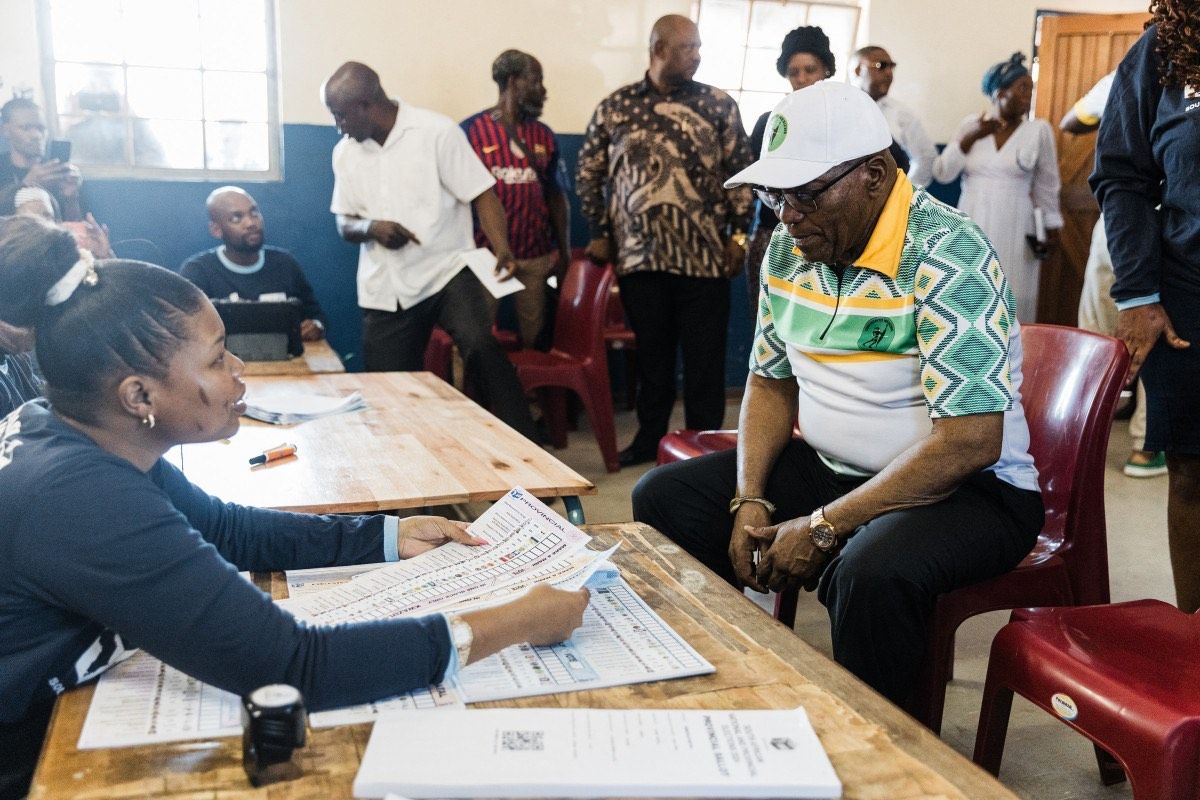
“South Africa’s Electoral Commission announced that over 477,000 new voters registered during the June 2026 voter registration weekend, with 80% of them under the age of 30. This unprecedented youth participation is expected to play a decisive role in shaping outcomes in the upcoming municipal elections scheduled for November 4, 2026.”
The countdown to South Africa’s 2026 municipal elections has begun, and the nation is witnessing a remarkable surge in voter registration, particularly among young citizens. The Independent Electoral Commission (IEC) reported that more than 477,000 new voters registered during the June 2026 weekend drive, with 80% under the age of 30. This development marks a turning point in South Africa’s democratic journey, as the youth demographic emerges as a powerful force poised to influence governance at the local level.
Background: The 2026 Municipal Elections
Scheduled for November 4, 2026, these elections will determine leadership across 8 metropolitan municipalities, 205 local municipalities, and 44 district municipalities. With 28.5 million registered voters as of June 2026, the elections are set to be one of the largest democratic exercises in the country’s history. They also represent the first municipal elections since the formation of the Government of National Unity in 2024, adding heightened political significance.
The Youth Factor
The IEC’s data reveals that young voters aged 18–29 are registering in unprecedented numbers. This demographic, often described as politically disengaged in past elections, is now mobilizing around issues such as service delivery, unemployment, housing, and corruption. Analysts suggest that the youth vote could disrupt traditional voting patterns, particularly in urban centers like Johannesburg, Cape Town, Durban, and Tshwane, where dissatisfaction with municipal governance has been most pronounced.
Political Parties Respond
- African National Congress (ANC): Facing declining support in recent years, the ANC is intensifying outreach to younger voters, emphasizing job creation and digital innovation.
- Democratic Alliance (DA): The DA is focusing on urban governance, promising improved service delivery in megacities.
- Economic Freedom Fighters (EFF): The EFF is capitalizing on youth frustration, pushing radical economic reforms and land redistribution.
- Emerging Parties: Smaller parties such as ActionSA and the Patriotic Alliance are targeting disillusioned young voters with promises of accountability and grassroots empowerment.
Voter Registration Weekend Success
The IEC reported that 23,706 voting stations operated smoothly during the June registration weekend, with nearly 100% opening on time. The Commission praised the turnout, noting that close to 3 million citizens updated their voter details. Another registration weekend is scheduled for August 2026, expected to further boost participation.
Challenges Ahead
Despite the enthusiasm, challenges remain:
- Logistical Preparedness: Ensuring that all 4,488 voting districts are adequately staffed and resourced.
- Security Concerns: Safeguarding against political violence and misinformation campaigns.
- Youth Engagement Beyond Registration: Converting registrations into actual voter turnout on election day.
Implications for Governance
The surge in youth registration could reshape municipal councils, particularly in megacities where service delivery failures have eroded trust in established parties. If young voters turn out in large numbers, they could tip the balance of power, forcing coalitions and new governance models.
Conclusion
The 2026 municipal elections are shaping up to be a watershed moment in South Africa’s democratic evolution. With the youth demographic asserting itself as a decisive force, political parties must adapt to new realities. The IEC’s successful registration drive underscores the resilience of South Africa’s democracy and the enduring commitment of its citizens to shaping their future.



