




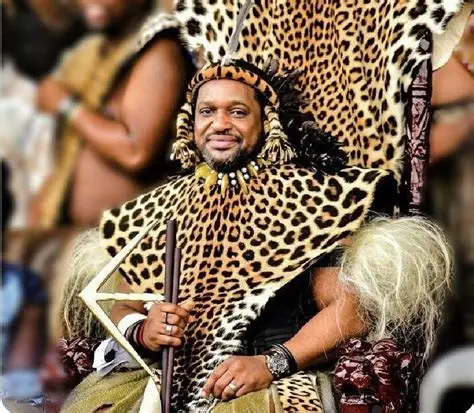
“Zulu King Misuzulu kaZwelithini has accused the South African government of disrespect after being sidelined during the recent SADC Summit in Durban, held in KwaZulu-Natal without his formal involvement. The Department of International Relations and Cooperation (DIRCO) is investigating the protocol blunder, pledging to engage directly with the King’s office to resolve tensions.”
The Southern African Development Community (SADC) Summit in Durban was meant to showcase regional cooperation and South Africa’s leadership in continental diplomacy. Instead, it has become the center of controversy after Zulu King Misuzulu kaZwelithini publicly condemned the government for failing to properly involve him in the proceedings. His remarks have ignited a debate about the intersection of traditional authority, modern governance, and international relations.
Background on the Summit
The SADC Summit brought together heads of state and senior officials from across Southern Africa to discuss pressing issues such as migration, economic integration, and regional security. Durban, located in KwaZulu-Natal, was chosen as the venue due to its strategic importance and infrastructure. For many, it was a moment of pride for the province. Yet, for the Zulu monarch, it was a moment of humiliation.
The King’s Reaction
Speaking during the uMkhosi Womhlanga (Reed Dance) at eMachobeni Royal Palace, King Misuzulu questioned why such a major gathering could take place “on my land and in my city” without his involvement. He described the omission as “disrespectful” and even revealed that he had considered deploying amabutho (Zulu regiments) to disrupt the summit. Although he ultimately refrained, his words carried weight, signaling deep frustration with Pretoria’s handling of protocol.
Government Response
DIRCO quickly moved to contain the fallout, insisting that an official invitation had been extended to the King for the summit’s banquet and opening ceremony. The department promised to engage directly with his private office to clarify what went wrong. This response highlights the delicate balance South Africa must maintain between respecting traditional leadership and adhering to modern diplomatic norms.
Implications for International Relations
The incident is more than a domestic squabble. It raises questions about how South Africa presents itself to the world. Traditional leaders like the Zulu King hold cultural legitimacy that resonates beyond national borders. Ignoring them risks undermining Pretoria’s credibility in promoting inclusive governance. Moreover, the controversy may affect how neighboring states perceive South Africa’s ability to manage internal dynamics while leading regional initiatives.
Historical Context
The Zulu monarchy has long played a symbolic role in South African politics. While the Constitution limits its formal powers, the King commands significant influence among millions of Zulu people. Past governments have often sought to involve traditional leaders in major events to avoid alienating communities. The perceived snub at the SADC Summit therefore represents a break from precedent, fueling speculation about whether Pretoria underestimated the importance of protocol.
Regional Reactions
Observers across Southern Africa are watching closely. For countries where traditional authority remains strong, the incident serves as a cautionary tale. Diplomats note that regional summits must balance modern statecraft with cultural sensitivities. Failure to do so risks alienating populations and weakening the legitimacy of international agreements.
Domestic Political Fallout
Within South Africa, opposition parties have seized on the controversy to criticize the government. Some argue that the incident reflects broader issues of mismanagement within DIRCO. Others suggest it reveals a disconnect between Pretoria and traditional institutions. For President Cyril Ramaphosa, already navigating complex foreign policy challenges, the episode adds another layer of difficulty.
Broader Lessons
The Durban summit controversy underscores the importance of protocol in international relations. Respecting traditional leaders is not merely ceremonial; it is a strategic necessity in societies where cultural authority remains potent. South Africa’s attempt to lead in regional diplomacy must therefore be accompanied by sensitivity to domestic dynamics.
Conclusion
As DIRCO works to repair relations with King Misuzulu, the incident serves as a reminder that international diplomacy cannot be divorced from local realities. The SADC Summit was meant to highlight South Africa’s role as a regional leader. Instead, it exposed the fragility of its internal cohesion. Whether Pretoria can learn from this episode will determine its ability to balance tradition and modernity in future diplomatic endeavors.



