




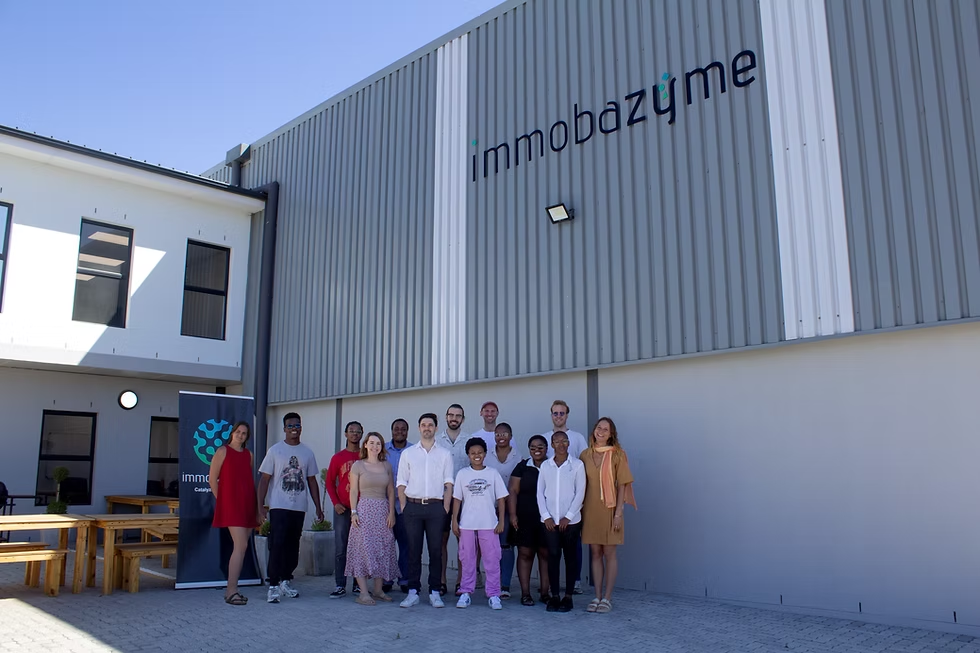
“Immobazyme, a Stellenbosch-based biotech startup, has unveiled its proprietary PepTrap™ enzyme immobilisation technology, attracting investor confidence and sparking excitement in South Africa’s biotech sector. The innovation promises sustainable industrial applications, from pharmaceuticals to environmental solutions, positioning South Africa as a rising global player in biotechnology.”
South Africa’s biotechnology sector is experiencing a transformative moment with the rise of Immobazyme, a Stellenbosch-based startup founded in 2019. The company’s proprietary PepTrap™ technology represents a breakthrough in enzyme immobilisation, a process critical for industrial biocatalysis, pharmaceuticals, and environmental sustainability. This innovation is not only reshaping South Africa’s biotech landscape but also positioning the country as a global contender in sustainable biotechnology.
The Technology: PepTrap™ Explained
Enzyme immobilisation is a technique that stabilises enzymes, allowing them to be reused in industrial processes. Immobazyme’s PepTrap™ platform enhances enzyme efficiency, reduces costs, and minimizes environmental impact. Unlike traditional methods, PepTrap™ offers:
- High stability in harsh industrial conditions.
- Reusability, reducing waste and production costs.
- Scalability, making it suitable for both laboratory and industrial applications.
This technology has immediate applications in pharmaceutical manufacturing, food processing, and environmental remediation, where enzymes play a vital role in catalyzing reactions.
Investment and Growth
Immobazyme has secured funding from the University Technology Fund and other investors, reflecting confidence in its potential. The startup’s growth trajectory mirrors South Africa’s broader push to foster biotech innovation, supported by government initiatives and private sector partnerships. The company’s success demonstrates how local innovation can attract global attention and investment.
South Africa’s Biotech Ecosystem
South Africa’s biotech industry has historically been overshadowed by mining and agriculture. However, recent years have seen a surge in biotech startups, including:
- Biovac – vaccine manufacturing.
- Cape Bio Pharms – plant-based protein production.
- Sawubona Mycelium – bioactive ingredient development.
Together, these companies form a growing ecosystem that is diversifying South Africa’s economy and contributing to global scientific progress.
Global Relevance
Immobazyme’s innovation is timely, given the global demand for sustainable solutions. Industries worldwide are seeking alternatives to petrochemical-based processes, and enzyme immobilisation offers a greener pathway. PepTrap™ could become a cornerstone technology for:
- Green chemistry – reducing reliance on toxic chemicals.
- Medical biotechnology – enabling cost-effective drug production.
- Environmental biotechnology – supporting water purification and waste management.
Challenges Ahead
Despite its promise, Immobazyme faces challenges common to biotech startups:
- Scaling production while maintaining quality.
- Navigating regulatory frameworks for industrial and medical applications.
- Competing globally against established biotech giants.
Addressing these challenges will require strategic partnerships, continued investment, and supportive government policies.
Expert Perspectives
South African biotech experts view Immobazyme’s success as a milestone. According to industry analysts, PepTrap™ could catalyze a wave of innovation, inspiring other startups to pursue niche technologies. Moreover, universities and research institutions are increasingly collaborating with startups, creating a fertile environment for biotech breakthroughs.
Socio-Economic Impact
The rise of biotech startups like Immobazyme has broader implications:
- Job creation in high-tech sectors.
- Skills development in biotechnology and bioengineering.
- Economic diversification, reducing reliance on traditional industries.
For South Africa, this represents a step toward becoming a knowledge-based economy.
Conclusion
Immobazyme’s PepTrap™ technology is more than a scientific innovation—it is a symbol of South Africa’s growing biotech potential. By combining sustainability with cutting-edge science, the company is charting a path that could redefine industrial biotechnology both locally and globally. As South Africa continues to nurture its biotech ecosystem, Immobazyme stands as a beacon of innovation, resilience, and global relevance.



