




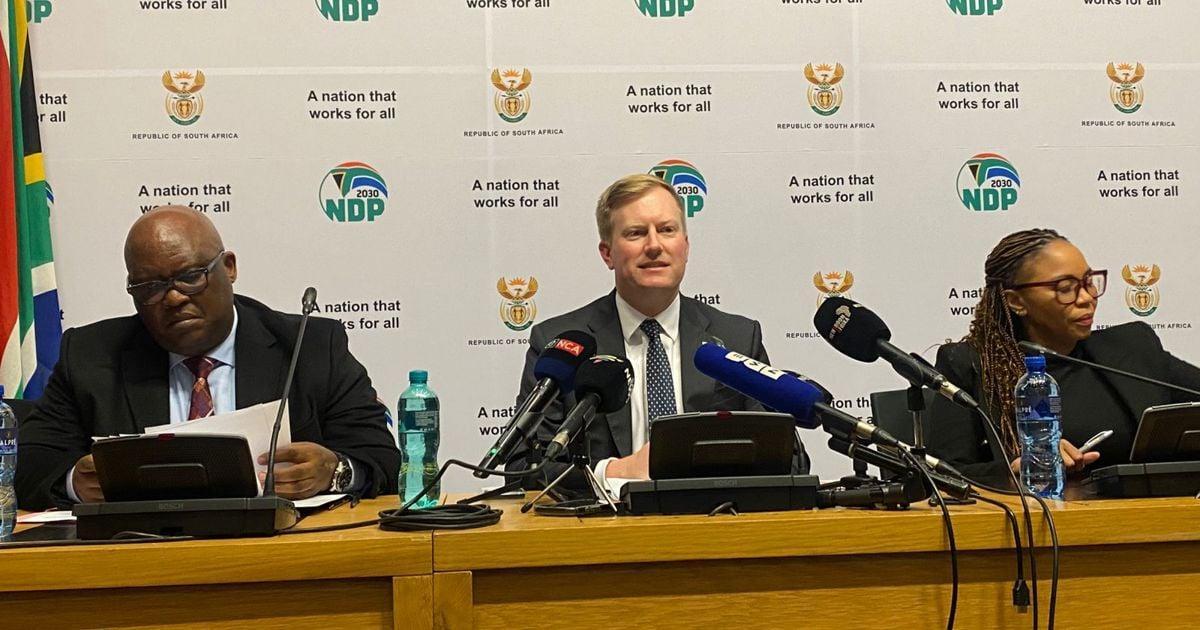
“The National Treasury has withheld R300 million in equitable share allocations from Mopani District Municipality, citing persistent financial mismanagement and governance failures. This unprecedented intervention underscores the growing national concern over municipal accountability and the urgent need for policy reforms to safeguard service delivery.”
On July 11, 2026, the National Treasury announced the suspension of R300 million in equitable share funding to Mopani District Municipality in Limpopo. This drastic measure reflects deepening concerns about municipal governance across South Africa, where financial mismanagement has become a recurring theme. The Mopani case is emblematic of broader systemic challenges in local government, raising critical questions about accountability, oversight, and the future of service delivery.
Background: Equitable Share and Municipal Funding
South Africa’s equitable share system is designed to ensure municipalities receive sufficient funding to provide basic services. Mopani District Municipality, like many others, relies heavily on these transfers to maintain water infrastructure, sanitation, and community development projects. The withholding of R300 million is not merely a financial penalty—it directly threatens the municipality’s ability to deliver essential services to its residents.
Treasury’s Intervention
The Treasury’s decision followed repeated audit findings highlighting irregular expenditure, unauthorized contracts, and poor financial controls. Officials noted that Mopani had failed to implement corrective measures despite multiple warnings. By freezing funds, the Treasury aims to compel compliance and signal that mismanagement will no longer be tolerated.
Political Fallout
The intervention has sparked political debate. The African National Congress (ANC), which governs Limpopo, faces mounting criticism for failing to oversee municipal finances effectively. Opposition parties, particularly the Democratic Alliance (DA) and Economic Freedom Fighters (EFF), have seized on the crisis to argue for stronger national oversight mechanisms. The DA has called for permanent Treasury monitors in high-risk municipalities, while the EFF has demanded criminal investigations into officials implicated in mismanagement.
Governance Under Pressure
Mopani’s crisis is not isolated. Across South Africa, municipalities are struggling with governance failures. Recent reports show that more than half of municipalities received adverse audit opinions in 2025/26. The Mopani case illustrates how weak internal controls, political interference, and corruption converge to undermine local governance.
Impact on Service Delivery
Residents of Mopani District now face uncertainty. Without equitable share funding, projects to repair water pipelines, maintain sanitation facilities, and support local clinics are at risk. Community leaders warn that the freeze could exacerbate poverty and inequality, particularly in rural areas where municipal services are the primary lifeline.
Policy Implications
The Mopani intervention raises broader policy questions:
- Should Treasury have greater powers to directly administer failing municipalities?
- How can South Africa strengthen municipal audit systems to detect problems earlier?
- What role should civil society play in monitoring local governance?
Experts argue that systemic reform is needed. Proposals include establishing independent municipal oversight boards, enhancing transparency through digital reporting systems, and empowering communities to hold councils accountable.
National Context
South Africa’s governance crisis comes at a time of political realignment. The ANC’s loss of majority dominance in 2026 has reshaped the political landscape, with coalition governments now the norm. This fragmentation complicates policy enforcement, as competing parties struggle to balance accountability with political expediency.
Voices from Mopani
Local residents have expressed frustration. “We are the ones who suffer when politicians mismanage funds,” said a community activist in Giyani. Civil society organizations have pledged to monitor the situation closely, warning that prolonged funding freezes could destabilize communities.
Conclusion
The Mopani District Municipality crisis is a watershed moment in South African governance. By withholding R300 million, the Treasury has signaled a new era of accountability. Yet the ultimate test lies in whether systemic reforms will follow, ensuring that municipalities serve citizens rather than political elites.



