




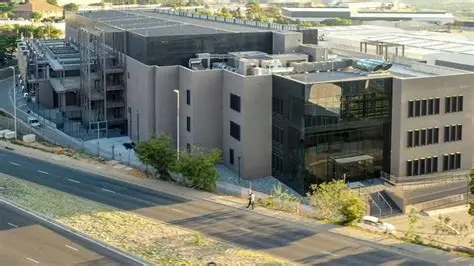
“South Africa’s IT spending is projected to reach US$28.1 billion in 2026, fueled by widespread AI adoption in banking, government, and academia. While this growth cements the country’s role in digital transformation, experts caution that energy and water demands from expanding data centers could strain national resources.”
South Africa is undergoing a profound transformation in its computing landscape, with artificial intelligence (AI) emerging as the central driver of growth. According to Gartner’s latest forecast, IT spending in the country is expected to rise by 19.8% in 2026, far outpacing the global average growth rate of 14.2%. This surge reflects not only increased investment but also a fundamental shift in how enterprises, government agencies, and academic institutions are leveraging AI to enhance efficiency, innovation, and competitiveness.
AI as the Driving Force
- Enterprise adoption: Banks, retailers, and telecoms are embedding AI into fraud prevention, logistics optimization, and customer service.
- Government adoption: Agencies such as the South African Revenue Service (SARS) are deploying AI for compliance monitoring and fraud detection.
- Academic collaboration: Vodacom, AWS, and the University of Johannesburg have launched a collaborative AI lab to train postgraduate students, bridging the country’s skills gap.
This widespread adoption demonstrates that AI is no longer experimental—it has become a core operational tool across sectors.
Infrastructure Expansion
The demand for AI-driven compute capacity is fueling a doubling of data center spending, from US$1.09 billion to US$2.07 billion. New facilities are being built in Johannesburg, Cape Town, and Durban, with global players like Equinix and Microsoft Azure investing heavily.
- Energy demand: Data centers could consume up to 174 MW of power, equivalent to powering 130,000 homes.
- Water usage: Cooling systems may require 4.4 billion liters annually, raising sustainability concerns in a water-scarce nation.
This expansion underscores the dual challenge: while infrastructure growth supports AI workloads, it also strains South Africa’s already fragile energy and water systems.
Sustainability Challenges
South Africa’s history with Day Zero water shortages and ongoing energy constraints makes sustainability a critical issue. Experts warn that without careful planning, the country could face resource bottlenecks that undermine both economic growth and public trust.
- Energy crisis: Eskom’s persistent struggles highlight the fragility of the national grid.
- Water scarcity: With climate change intensifying droughts, the massive water demand from cooling systems could exacerbate shortages.
Global Governance Debate
The rapid rise of AI adoption has sparked calls for stronger international AI governance frameworks. South African experts argue that while AI offers immense opportunities, unchecked growth could lead to ethical dilemmas, data privacy risks, and geopolitical tensions.
Conclusion
South Africa’s computing sector is at a crossroads: poised for unprecedented growth but facing sustainability and governance challenges. The country’s ability to balance innovation with responsibility will determine whether this AI-driven boom becomes a long-term success story or a cautionary tale.



