




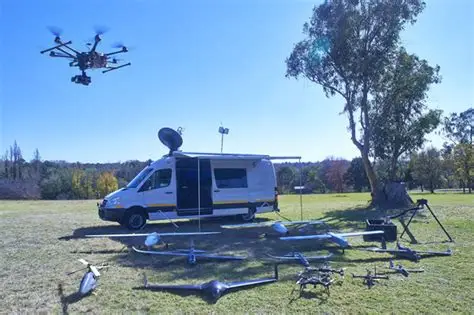
“South Africa’s Limpopo province is hosting a groundbreaking conservation technology training program, where drones, sensors, and software are being deployed to protect wildlife and ecosystems. This marks a turning point in Africa’s environmental management, blending science and technology to fight poaching and biodiversity loss.”
In the heart of South Africa’s Limpopo province, a quiet revolution is unfolding. Conservationists, technologists, and environmental scientists are converging at the Lapalala Wilderness reserve to pioneer a new era of ecological protection. At the center of this transformation is the Connected Conservation Foundation (CCF), which has launched a continent-wide training program to equip professionals with the skills to deploy drones, thermal imaging, and advanced data systems in the fight against poaching and habitat degradation.
The Rise of Conservation Technology
Since 2015, Africa’s protected areas have increasingly adopted state-of-the-art monitoring systems. These include:
- Thermal drones capable of detecting animals and poachers at night.
- EarthRanger software, which integrates real-time data from cameras, collars, and sensors.
- Satellite-linked communication systems that allow rangers to coordinate across vast landscapes.
The results have been striking: nearly 10 million hectares of land are now under enhanced surveillance, leading to measurable declines in poaching incidents and improved biodiversity outcomes.
Training the Next Generation
The CCF identified a critical gap: while technology was available, skilled technicians were scarce. To address this, they launched a 10-module Protected Area Technician (PAT) course in July 2025. The program attracted 680 participants worldwide, with the top 16 selected for hands-on training in South Africa. These trainees, hailing from 11 African countries, represent a new generation of conservation professionals who blend ecological knowledge with technological expertise.
Case Study: Lapalala Wilderness
At Lapalala, trainees learn to:
- Operate drones for wildlife tracking.
- Repair and maintain equipment in rugged conditions.
- Integrate data streams into actionable conservation strategies.
One demonstration involved tracking a lone cheetah using a thermal drone. The exercise highlighted both the promise and challenges of technology: while drones can locate elusive animals, they remain vulnerable to environmental disruptions—like elephants knocking over poles.
Economic and Social Impact
Beyond ecological benefits, the program is creating employment opportunities in regions plagued by high unemployment. Local communities are increasingly engaged, as technology-driven conservation fosters better relationships between reserves and surrounding populations. This integration of community development with environmental protection is crucial for long-term sustainability.
Risks and Challenges
Despite its promise, conservation technology faces hurdles:
- High costs of equipment and training.
- Maintenance difficulties in remote areas.
- Dependence on international funding, which raises concerns about sustainability.
Critics warn that without robust local ownership, these initiatives risk becoming dependent on external donors.
Global Significance
South Africa’s leadership in conservation technology is positioning the country as a hub for environmental innovation. The model being developed here could be replicated across Africa, offering hope for ecosystems under severe pressure from climate change, deforestation, and illegal wildlife trade.
Conclusion
The integration of drones, sensors, and advanced data systems into conservation marks a paradigm shift in environmental management. South Africa’s Lapalala Wilderness reserve is not just protecting wildlife—it is training a generation of conservationists who will carry this technological revolution across the continent. As poaching syndicates grow more sophisticated, Africa’s response must be equally advanced. The future of conservation lies at the intersection of ecology and technology, and South Africa is leading the way.



