




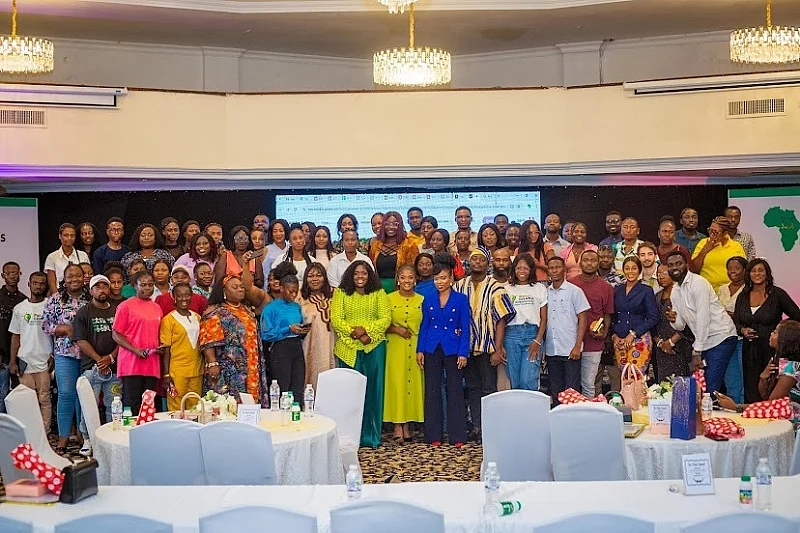
“The Business to Brand Summit 2026 in Johannesburg brought together corporate leaders and emerging entrepreneurs, emphasizing the urgent need to create African-owned brands that can compete globally. The summit highlighted that Africa’s entrepreneurial future depends on shifting from being distributors of foreign products to creators of sustainable, homegrown brands.”
Entrepreneurship in South Africa has long been shaped by global influences, with many startups focusing on distributing or marketing international products. However, the Business to Brand Summit 2026 has signaled a turning point, urging entrepreneurs to prioritize building African brands that can endure, scale, and compete globally. This call reflects a broader movement across the continent to reclaim economic identity and foster innovation rooted in local culture and needs.
The Summit’s Core Message
The summit’s central theme was clear: Africa must stop being a marketplace for global brands and instead become a creator of its own enduring brands. Corporate decision-makers, investors, and startup founders discussed strategies to strengthen brand identity, intellectual property protection, and consumer trust. The emphasis was on long-term sustainability rather than short-term profit.
Key Highlights
- Brand Ownership: Speakers stressed that African entrepreneurs should focus on owning their brands rather than acting as intermediaries for foreign companies.
- Cultural Identity: Building brands that reflect African heritage and values was seen as essential for differentiation in global markets.
- Investment in Innovation: The summit encouraged entrepreneurs to invest in research, design, and technology to create products that meet African needs while appealing internationally.
- Collaboration: Partnerships between startups and established corporations were highlighted as a way to accelerate brand growth.
Case Studies Presented
Several successful African brands were showcased:
- Portia M Skincare Solutions – A beauty brand that has leveraged African natural ingredients to build a loyal customer base.
- Mobicel – A homegrown smartphone company that has challenged global giants by offering affordable devices tailored to local markets.
- Coal Interiors – A design company that has combined African aesthetics with modern functionality to capture both local and international clients.
These examples demonstrated that African brands can thrive when they embrace authenticity and innovation.
Challenges Facing African Entrepreneurs
Despite the optimism, the summit acknowledged several challenges:
- Access to Capital: Many entrepreneurs struggle to secure funding for brand development.
- Infrastructure Gaps: Weak supply chains and unreliable energy remain obstacles.
- Global Competition: Competing with established international brands requires resilience and strategic positioning.
- Policy Uncertainty: Regulatory frameworks in South Africa and across Africa often lack clarity, discouraging investment.
Opportunities Ahead
The summit concluded that Africa’s entrepreneurial ecosystem is ripe with opportunity:
- Youth Demographics: With a young population, Africa has a growing consumer base eager for innovative products.
- Digital Transformation: E-commerce and fintech are lowering barriers to entry for startups.
- Regional Integration: Initiatives like the African Continental Free Trade Area (AfCFTA) provide new markets for African brands.
- Global Recognition: African creativity in fashion, music, and design is gaining international attention, paving the way for brand expansion.
Expert Opinions
Industry leaders argued that branding is not just about logos or marketing—it is about building trust, identity, and long-term value. They emphasized that African entrepreneurs must think beyond immediate sales and focus on creating legacies that can endure for decades.
Conclusion
The Business to Brand Summit 2026 has set a new agenda for African entrepreneurship. By shifting focus from distributing foreign products to building African-owned brands, entrepreneurs can unlock sustainable growth, create jobs, and redefine Africa’s role in the global economy. The summit’s message was clear: Africa’s future lies in its ability to brand itself.



