




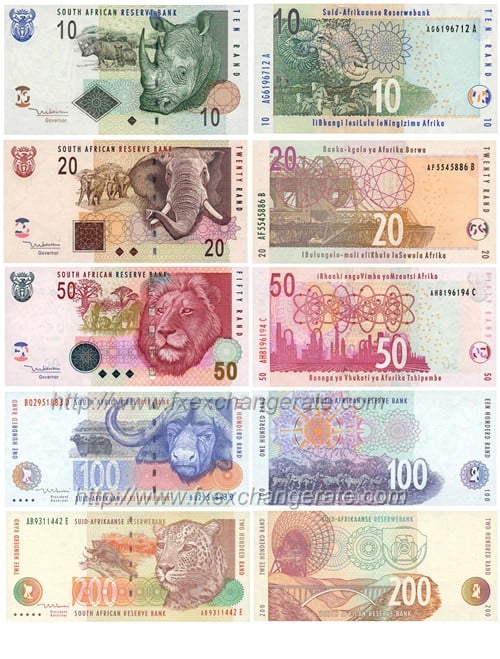
“South Africa’s markets are buoyed by the appointment of economist David Sachs to a key reform advisory role, seen as a catalyst for renewed investor confidence. The JSE remains stable while the rand shows resilience, reflecting optimism about structural reforms and fiscal discipline.”
South Africa’s financial markets entered the weekend on a cautiously optimistic note, with the Johannesburg Stock Exchange (JSE) holding firm and the rand showing resilience against the US dollar. The catalyst for this stability is the appointment of economist David Sachs, whose reputation for pragmatic reform strategies has reassured investors and policymakers alike. His arrival is widely interpreted as a signal that the government is serious about tackling structural inefficiencies and restoring fiscal credibility.
Market Performance
- JSE All Share Index: Closed at 110,231 points on June 27, 2026.
- Rand Exchange Rate: Trading at R16.41/USD, reflecting moderate strength despite global volatility.
- Investor Sentiment: Analysts report increased confidence, particularly in banking and industrial stocks, which are expected to benefit from reform-driven growth.
Why Sachs Matters
David Sachs is known for his balanced approach to economic reform, blending fiscal discipline with social investment. His appointment comes at a time when South Africa faces:
- Persistent unemployment above 30%.
- Energy insecurity, with Eskom struggling to stabilize supply.
- Investor skepticism due to policy uncertainty.
Sachs’ mandate reportedly includes advising on public sector efficiency, investment incentives, and trade competitiveness. His track record in policy design has already sparked optimism among institutional investors.
Reactions from Business Leaders
- Banking Sector: African Bank and Standard Bank executives welcomed Sachs’ appointment, noting that reform momentum could stabilize lending conditions.
- Manufacturing & Trade: Exporters expressed hope that Sachs will push for streamlined trade policies, reducing red tape and improving competitiveness.
- Small Business: Entrepreneurs highlighted the need for reforms to improve access to credit and reduce regulatory burdens.
Broader Economic Context
South Africa’s economy has been under strain from:
- Sluggish GDP growth projected at 1.5% for 2026.
- High inflation, driven by food and energy costs.
- Global headwinds, including slowing demand from China and volatility in commodity prices.
Sachs’ appointment is seen as a stabilizing factor, potentially unlocking new investment flows and boosting confidence in the government’s reform agenda.
Risks and Challenges
Despite optimism, several risks remain:
- Political resistance: Reform measures may face opposition from entrenched interests.
- Energy crisis: Eskom’s instability continues to threaten industrial output.
- Global volatility: External shocks, such as US interest rate hikes, could undermine rand stability.
Outlook
If Sachs can deliver credible reform proposals, South Africa could see:
- Improved investor confidence leading to higher capital inflows.
- Strengthened rand, reducing import costs.
- Revitalized stock market, particularly in sectors tied to infrastructure and trade.
However, success will depend on political will and the government’s ability to implement reforms swiftly.



