




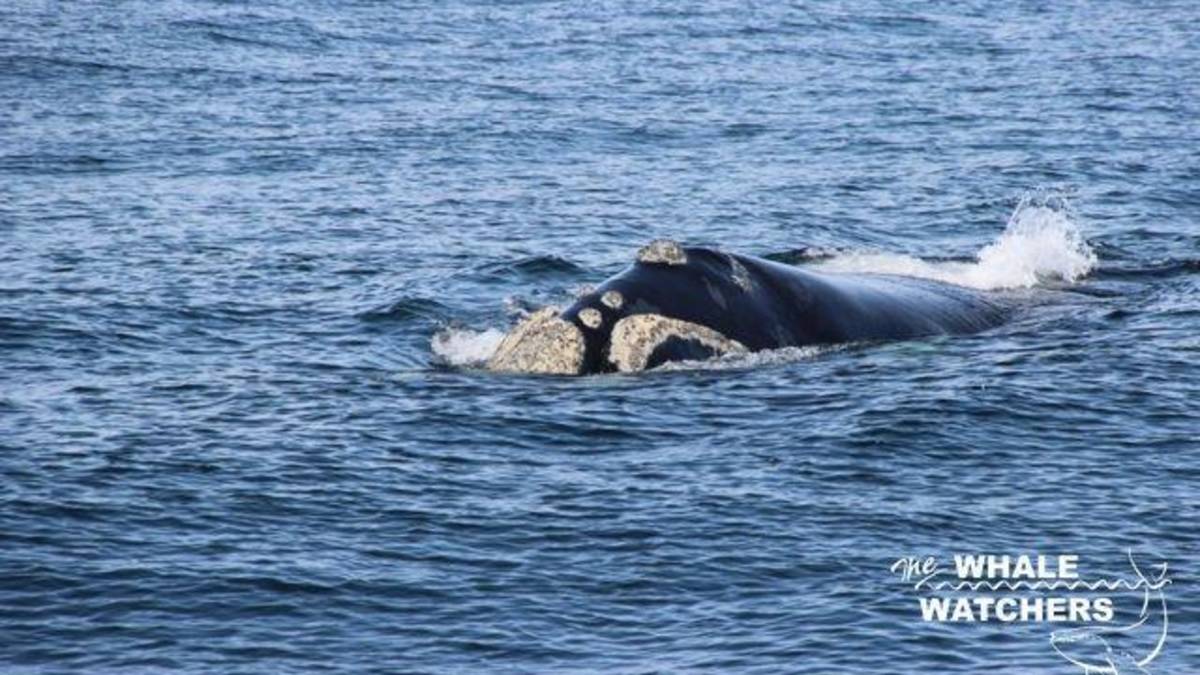
“Southern Right whales have arrived in Hermanus, drawing global adventurers to South Africa’s Cape Whale Coast for unparalleled wildlife encounters. The season also highlights shark cage diving in Gansbaai and conservation‑focused safaris, reinforcing South Africa’s reputation as a premier eco‑adventure destination.”
South Africa’s adventure tourism industry has entered one of its most anticipated phases of the year as the Southern Right whales glide into Walker Bay, Hermanus, marking the official start of the Cape Whale Coast season. This annual migration, running from June to November, transforms Hermanus into a global hotspot where visitors can witness whales breaching just meters from the cliffs—no boats required, no filters needed, just raw nature at its most spectacular.
But Hermanus is far more than a whale‑watching destination. The surrounding Fernkloof Nature Reserve offers fynbos‑covered hiking trails, while the Hemel‑en‑Aarde Valley tempts visitors with award‑winning wines. For thrill‑seekers, nearby Gansbaai provides one of the world’s most intense adrenaline experiences: shark cage diving. Facing the ocean’s most misunderstood predator, the great white shark, adventurers often leave with a newfound respect for marine ecosystems.
Adventure in South Africa extends beyond the coast. The Kruger National Park and malaria‑free reserves in the Eastern Cape continue to deliver bucket‑list safaris where the Big Five—lion, leopard, rhino, elephant, and buffalo—roam freely. What distinguishes 2026 is a growing emphasis on ethical, conservation‑driven tourism. Travelers are increasingly drawn to experiences that allow them to give back, whether by visiting elephant sanctuaries in Plettenberg Bay, supporting primate rescue centers near Hartbeespoort, or participating in conservation‑led wildlife initiatives.
The adventure landscape also stretches inland. The mighty Orange River offers multi‑day paddling expeditions, while the Palmiet River challenges rafters with exhilarating rapids. For those seeking the ultimate adrenaline rush, the Bloukrans Bridge—the world’s highest commercial bungee jump—remains a rite of passage. Meanwhile, Tsitsikamma National Park invites visitors to zipline through ancient forests, blending adrenaline with ecological wonder.
This surge in eco‑adventure tourism reflects broader global travel trends. In 2026, travelers are less interested in ticking boxes and more focused on meaningful, authentic experiences. South Africa’s diverse landscapes and cultures provide exactly that: opportunities to connect deeply with nature, communities, and conservation efforts. The country’s tourism boards and operators have responded by curating packages that emphasize sustainability, ensuring that adventure tourism contributes positively to local economies and ecosystems.
Economically, the adventure season is vital. Hermanus alone attracts thousands of international visitors, boosting hospitality, guiding services, and local businesses. The ripple effect extends nationwide, reinforcing South Africa’s position as a leader in adventure tourism. With whale watching, shark encounters, safaris, river expeditions, and mountain thrills all converging, the country offers a multi‑layered adventure portfolio unmatched globally.
In conclusion, the arrival of Southern Right whales in Hermanus is more than a natural spectacle—it is the heartbeat of South Africa’s adventure tourism calendar. By blending adrenaline, conservation, and cultural immersion, the Cape Whale Coast and beyond showcase why South Africa remains one of the world’s most compelling destinations for travelers seeking both thrill and meaning.



