




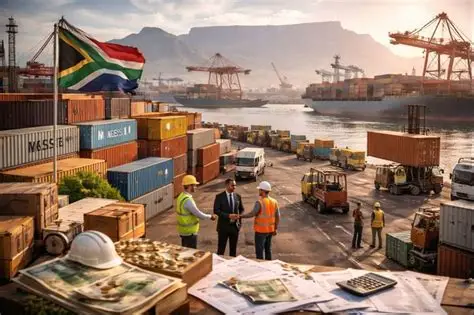
“South Africa’s Durban Gateway Terminal (DGT) Pier 2 is experiencing significant delays, with Maersk reporting vessel waiting times of 8–12 days due to reduced port productivity and straddle carrier shortages. The congestion is causing ripple effects across trade routes, raising concerns for exporters, importers, and regional supply chains.”
Durban, South Africa’s busiest port and a critical hub for regional and international trade, is once again under strain. Container congestion has resurfaced at the Durban Gateway Terminal (DGT) Pier 2, with shipping giant Maersk reporting vessel waiting times ranging from eight to twelve days. This development has reignited concerns about the efficiency of South Africa’s logistics infrastructure and its ability to support the country’s trade ambitions.
Background: Durban’s Strategic Role
Durban is the largest and busiest container port in sub-Saharan Africa, handling over 60% of South Africa’s container traffic. It serves as a gateway for trade with Asia, Europe, and the Americas, while also facilitating regional commerce with neighboring countries such as Zimbabwe, Zambia, and Botswana. Any disruption at Durban has immediate consequences for the broader Southern African Development Community (SADC) trade network.
Current Situation
According to Maersk’s weekly port advisory dated 17 August 2026, operational constraints at Pier 2 have led to reduced productivity. Straddle carriers, essential for moving containers within the terminal, have become unavailable due to mechanical breakdowns and maintenance delays. As a result, ships are forced to wait offshore, while trucks queue at the gates, creating bottlenecks both at sea and on land.
Impact on Shipping Lines
Shipping companies are bearing the brunt of these delays. Extended waiting times increase fuel costs, disrupt schedules, and reduce vessel utilization rates. Maersk, one of the largest operators in the region, has already warned clients of potential surcharges and rerouting measures. Other carriers are considering diverting cargo to alternative ports such as Cape Town or Port Elizabeth, though these facilities lack Durban’s scale and efficiency.
Economic Consequences
The congestion has significant economic implications. Exporters of perishable goods, such as citrus fruits and wine, face risks of spoilage and missed delivery windows. Importers of critical goods, including machinery and electronics, are experiencing delays that affect production timelines. The broader economy is impacted through increased logistics costs, which ultimately feed into consumer prices.
South Africa’s trade competitiveness is at stake. With global supply chains already strained by geopolitical tensions and rising energy costs, inefficiencies at Durban could deter foreign investment and reduce the country’s attractiveness as a trade hub.
Historical Context
Durban has struggled with congestion issues for over a decade. Equipment breakdowns, labor disputes, and inadequate investment in infrastructure have repeatedly undermined productivity. While the port has undergone modernization efforts, including the introduction of new cranes and digital systems, these measures have not fully addressed systemic challenges.
Government and Industry Response
The South African government and Transnet, the state-owned logistics company, are under pressure to act. Industry stakeholders are calling for urgent investment in equipment maintenance, workforce training, and operational efficiency. There are also proposals to expand rail freight capacity to reduce reliance on trucking, which contributes to congestion at port gates.
Business associations, including the South African Association of Freight Forwarders (SAAFF), have urged authorities to implement short-term measures such as leasing additional equipment and streamlining customs procedures. Long-term solutions, however, require structural reforms and sustained investment.
Regional Trade Implications
Durban’s congestion affects not only South Africa but also its regional partners. Landlocked countries such as Zambia and Zimbabwe rely heavily on Durban for imports and exports. Delays at the port translate into higher costs and longer transit times for these economies, undermining regional integration efforts under the African Continental Free Trade Area (AfCFTA).
Outlook
The situation at Durban highlights the urgent need for South Africa to modernize its logistics infrastructure. Without decisive action, recurring congestion will continue to undermine trade efficiency and economic growth. Stakeholders are watching closely to see whether government and industry leaders can deliver sustainable solutions.



