




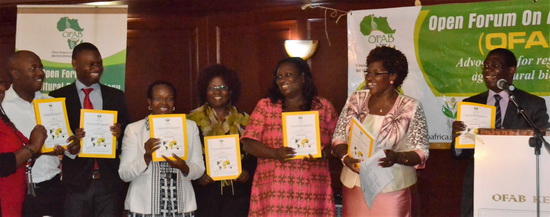
“A new Africa-wide portal, the Biotech Africa Database, was launched to centralize biosafety and regulatory information, improving transparency and decision-making in agricultural biotechnology.”
The International Service for the Acquisition of Agri-biotech Applications (ISAAA) AfriCenter has unveiled the Biotech Africa Database, a groundbreaking digital platform designed to consolidate biotechnology and biosafety information across Africa. For decades, fragmented data scattered across government gazettes, agency websites, and regulatory documents created barriers for farmers, traders, and policymakers. This portal now provides country-specific biotech crop approval decisions, import/export requirements, and biosafety guidelines in one accessible interface.
Dr. Margaret Karembu, Director of ISAAA AfriCenter, emphasized that the platform represents a “monumental step in leveraging digital data for regulatory decision-making.” By enabling quick access to approval decisions, the portal reduces compliance risks and accelerates trade. Farmers in Uganda, researchers in Nigeria, and traders in South Africa can now access identical, up-to-date information, fostering regional learning and harmonization.
The platform also supports transparency in regulatory processes, offering guides for cross-border biotech product movement. Dr. Paul Chege, Senior Program Officer at ISAAA AfriCenter, noted that the portal will “support regional learning, informed decision-making, and responsible deployment of biotechnology.”
South African stakeholders, including the Cereals and Oilseeds Trade Association (SACOTA), praised the initiative, highlighting its role in ensuring compliance and reducing delays in biotech product handling. By collating biosafety data, the portal strengthens Africa’s position in global agricultural biotechnology, ensuring that innovation is matched with responsible governance.
This development is expected to accelerate adoption of biotech crops, improve food security, and enhance Africa’s competitiveness in global agricultural trade. It also sets a precedent for digital governance tools in science, where data replaces rumor and speculation.



