




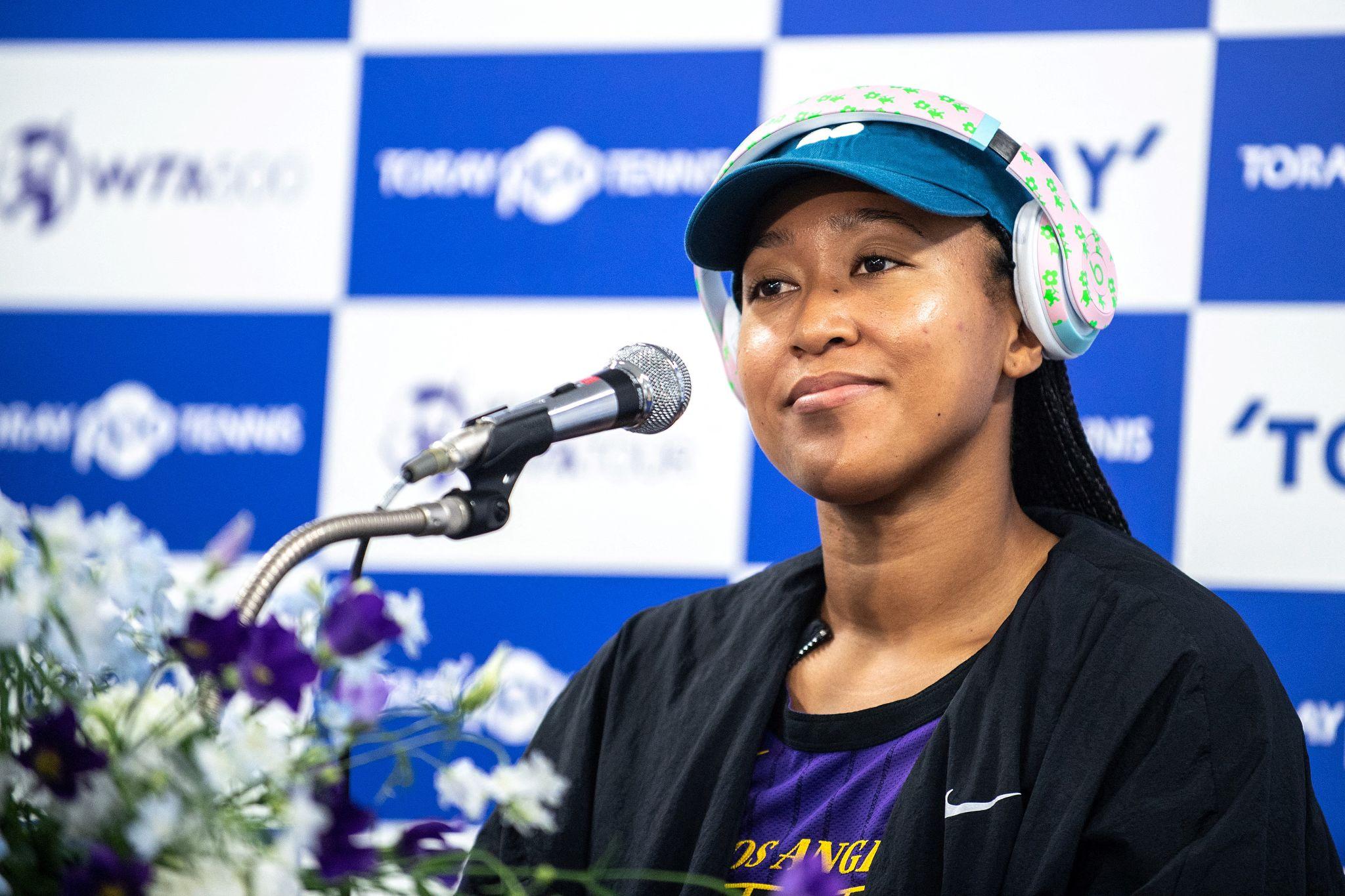
“Four-time Grand Slam champion Naomi Osaka has said she would consider ending her professional tennis career if her young daughter, Shai, asked her to spend less time travelling, highlighting how motherhood has reshaped her priorities. Osaka, who returned to tennis after a 15-month break following childbirth, also discussed her progress towards regaining her best form and spoke out about the continuing problem of online abuse directed at professional players.”
Naomi Osaka’s latest comments have brought renewed attention to the personal decisions that professional tennis players must make while balancing demanding sporting careers with family responsibilities. The former world number one has indicated that she would seriously consider stepping away from the game if her daughter, Shai, wanted her to spend less time travelling. Her remarks provide an insight into the changing priorities of an athlete who has experienced Grand Slam success, periods away from competition and the challenge of rebuilding her career after becoming a parent.
The comments were reported by Flashscore South Africa through an Agence France-Presse report ahead of Osaka’s participation in the Pan Pacific Open in Tokyo. Although the story is international rather than specifically South African, it is relevant to tennis audiences in South Africa because it raises broader questions about player wellbeing, family life, the pressures of elite competition and the future of professional women’s tennis.
Motherhood changes the meaning of sporting success
Osaka has established herself as one of the most recognisable figures in modern tennis. Her achievements on the court have included four Grand Slam singles titles, while her rise to the top of the women’s game has made her an important figure in international sport.
However, her recent reflections suggest that success is no longer measured exclusively through trophies, rankings and tournament victories. Becoming a mother has introduced a different set of considerations into her professional life.
According to the Flashscore report, Osaka explained that she would not ignore her daughter’s wishes if Shai eventually expressed concern about how frequently her mother travelled. Her position reflects the emotional importance she places on being present in her child’s life.
Professional tennis demands extensive international travel. Players move between countries and continents throughout the season, often spending long periods away from their homes. Tournament schedules, training commitments, sponsorship obligations and recovery periods can make it difficult to maintain a predictable family routine.
For a parent competing at the highest level, these responsibilities can become particularly complicated. Even when family members travel alongside a player, the professional environment still requires considerable time and attention.
Osaka’s comments therefore highlight a central challenge facing athletes who become parents: finding a sustainable relationship between professional ambition and family commitments.
Her willingness to contemplate retirement under certain circumstances does not establish that she has decided to leave tennis. Instead, it shows that she is prepared to evaluate her future according to priorities that extend beyond the court.
A return following a significant career break
Osaka’s journey back to professional tennis followed a substantial period away from competition. She took approximately 15 months away from the sport after the birth of her daughter before returning in 2023, according to the published report.
Such a transition involves more than simply returning to practice. Professional tennis requires players to maintain physical conditioning, technical consistency, match sharpness and the ability to handle pressure over extended periods.
Players returning after childbirth may also need to adjust their training routines, competition schedules and recovery strategies. Every athlete’s experience is different, and the process of rebuilding competitive form can take time.
Osaka’s return demonstrated her intention to continue competing despite the changes in her personal circumstances. Nevertheless, her latest comments indicate that she approaches this stage of her career with a broader understanding of what she wants from life.
Rather than treating tennis as the only consideration, she appears to be evaluating the sport alongside her responsibilities as a parent.
That approach is significant in a professional environment where players are frequently judged by immediate results. Rankings can rise or fall within weeks, while injuries, difficult draws and changes in form can affect a season’s outcome.
For Osaka, success may increasingly involve finding a way to compete at a high level without allowing the demands of the sport to determine every aspect of her daily life.
Balancing professional ambition with family responsibilities
The professional tennis calendar presents a difficult logistical challenge for parents. International tournaments require athletes to travel regularly, adapt to different time zones and prepare for matches under changing environmental conditions.
A player might spend several weeks competing in one region before travelling to another continent for the next series of events. Even during periods without tournaments, preparation continues through practice sessions, fitness work, medical care and tactical planning.
These demands can make it difficult to establish the stable routines that young children need.
Osaka’s comments suggest that her daughter’s needs will remain an important factor in deciding how long she continues to compete. The statement also illustrates why retirement decisions can become more complicated when an athlete’s circumstances change.
A player may still possess the motivation and ability to compete, yet decide that the personal cost of maintaining a full professional schedule has become too high.
Importantly, considering such a possibility is not the same as announcing an immediate retirement. Osaka remains an active player, and the report indicates that she was preparing to compete in Tokyo.
Her position leaves room for different outcomes. She could continue playing for several years, modify her schedule where possible or eventually choose to prioritise family life. The report does not establish which path she will take.
For tennis supporters, this uncertainty is part of the story. Osaka’s future will depend not only on her results but also on how she evaluates the relationship between competition, personal fulfilment and parenthood.
The pressure of competing at the highest level
Elite tennis can be mentally demanding even for experienced champions. Players must repeatedly perform under scrutiny, manage expectations and respond to defeats that are often analysed publicly.
A difficult match can affect a player’s confidence, while a successful tournament may create new expectations for the next competition. Maintaining concentration and motivation across a long season requires substantial emotional as well as physical effort.
Osaka has previously taken time away from tennis to prioritise her mental health. The Flashscore report notes that she stepped away from the sport in 2021 for this reason.
That history gives additional context to her recent reflections. Her comments about motherhood and the possibility of retirement come against a background of openly acknowledging that life as a professional athlete involves challenges beyond the scoreboard.
The wider sporting community has increasingly discussed the importance of supporting athletes as people, rather than evaluating them solely through their performances.
This does not mean that competitive standards should disappear. Professional sport will always involve pressure, selection decisions and demanding performance expectations. However, an athlete’s ability to sustain a career can be influenced by factors that results alone cannot fully explain.
Osaka’s position illustrates why career planning needs to accommodate changing personal circumstances. An athlete may reassess priorities after becoming a parent, recovering from injury or experiencing the mental strain of repeated competition.
For younger players entering professional tennis, her experience also demonstrates that a sporting career can evolve rather than follow one fixed path.
Osaka raises concerns about online abuse
Alongside discussing her own career, Osaka expressed support for American player Coco Gauff following reports that Gauff had received racist abuse online during the China Open earlier in October.
The Flashscore report states that Osaka condemned such treatment and described the problem as something she had encountered throughout her own career. She also questioned whether efforts by the Women’s Tennis Association to address social media abuse were fully effective.
Online abuse has become an important concern across professional sport. Social platforms allow fans to follow athletes closely, receive updates and interact with their favourite players. At the same time, they can expose competitors to hostile messages, personal attacks and discriminatory language.
For athletes, the problem is complicated because social media can serve as a valuable professional tool. Players use digital platforms to communicate with supporters, promote sponsors, share milestones and build their public profiles.
Simply abandoning these platforms may reduce exposure to abuse, but it can also limit opportunities to connect with audiences.
Osaka acknowledged this tension in her comments, noting that social media can be an important way for athletes to maintain relationships with fans. She also explained that she limits her own use of these platforms.
The issue requires attention from sports organisations, technology companies and the wider sporting community. Reporting mechanisms, effective moderation, consistent enforcement and education may all contribute to safer online environments.
However, the responsibility should not fall entirely on athletes to avoid abusive messages. Players should be able to participate in public discussion without being subjected to racist or threatening behaviour.
For women’s tennis, addressing online abuse is particularly important because athletes compete in a highly visible environment where individual performances and personal lives receive extensive attention.
Tokyo offers another opportunity to assess her progress
Osaka’s comments came as she prepared to compete at the Pan Pacific Open in Tokyo. The report stated that she was seeded seventh and scheduled to face Italy’s Jasmine Paolini in the opening round. It also identified Elena Rybakina and Alexandra Eala among the players participating in the tournament.
Playing in Tokyo provides Osaka with an opportunity to compete in front of a home-country audience while continuing to evaluate her performance.
For any player seeking to regain a high level of consistency, tournament competition offers information that training alone cannot provide. Matches test movement, decision-making, serving under pressure and the ability to respond when an opponent changes tactics.
Osaka said she believed she was approaching her best form and expressed optimism about the following year, according to the report. That assessment suggests she remains interested in improving her tennis, even while reconsidering how the sport fits into her personal life.
Nevertheless, her future competitive prospects should not be confused with a guaranteed return to her previous peak. Professional tennis is exceptionally competitive, and results depend on fitness, confidence, match preparation and the quality of opposition.
Her ranking, tournament performances and ability to sustain a schedule will help observers assess her progress over time. Just as importantly, her own assessment of her wellbeing will influence how she approaches the next stage of her career.
Lessons for South African tennis
Although Osaka’s remarks do not concern a South African tournament or player, the issues she raises are relevant to the country’s tennis community.
South African tennis includes professionals competing internationally, developing juniors, club players, coaches and athletes participating in masters and wheelchair tennis. Across these levels, access to coaching, competition opportunities and appropriate support can influence how long players remain involved in the sport.
Osaka’s experience highlights the importance of treating athletes as individuals with responsibilities and ambitions beyond competition.
For developing players, this means recognising that a successful sporting pathway involves more than technical ability. Physical health, mental wellbeing, education, financial stability and supportive relationships can all contribute to long-term participation.
For sports administrators, the wider lesson is that player welfare deserves sustained attention. Policies addressing harassment, access to support services and the needs of athletes at different life stages can help create healthier sporting environments.
South African tennis can also benefit from following international conversations about inclusion and online conduct. Racism and harassment undermine the principles of fair competition and respect that sports organisations seek to promote.
Osaka’s support for Gauff reinforces the need for athletes and governing bodies to take discriminatory abuse seriously, rather than treating it as an unavoidable consequence of public visibility.
At the same time, her career demonstrates the value of allowing athletes to make personal decisions without assuming that every change represents a lack of ambition or commitment.
What happens next?
Osaka has not announced her retirement. Her comments describe a possible future decision that would depend partly on her daughter’s needs and the demands of professional tennis.
The coming months may provide further evidence of her competitive progress, but the most important question may ultimately be how she defines a sustainable career.
If she continues to compete, she will need to manage the practical challenges of international travel while protecting time for her family. If she eventually chooses to retire, that decision would mark a new chapter rather than erase her achievements in the sport.
For now, Osaka remains a player balancing two important parts of her life: the desire to compete and the responsibility she feels as a mother.
Her remarks also offer a reminder that elite athletes can reassess their goals as circumstances change. Championships and rankings remain important measures of sporting achievement, but they are not the only considerations that determine whether a career remains worthwhile.
Conclusion
Naomi Osaka’s reflections on motherhood, online abuse and her professional future provide a revealing picture of the pressures facing modern tennis players. Her willingness to consider retirement if her daughter asks her to spend less time travelling demonstrates how personal priorities can change even for an athlete who has reached the highest level of the sport.
At the same time, her optimism about regaining her best form indicates that she has not given up on competing. Her immediate focus remains on tennis, while her longer-term decisions will depend on how she balances professional ambition with family life.
For South African tennis followers, the story is a reminder that the future of the sport depends not only on match results and rankings but also on athlete wellbeing, respect and sustainable career opportunities.
Osaka’s next chapter remains unwritten. Whether it brings more tournament victories, adjustments to her schedule or an eventual retirement, her experience underlines an essential point: a successful sporting career must ultimately fit the life of the person competing.



