




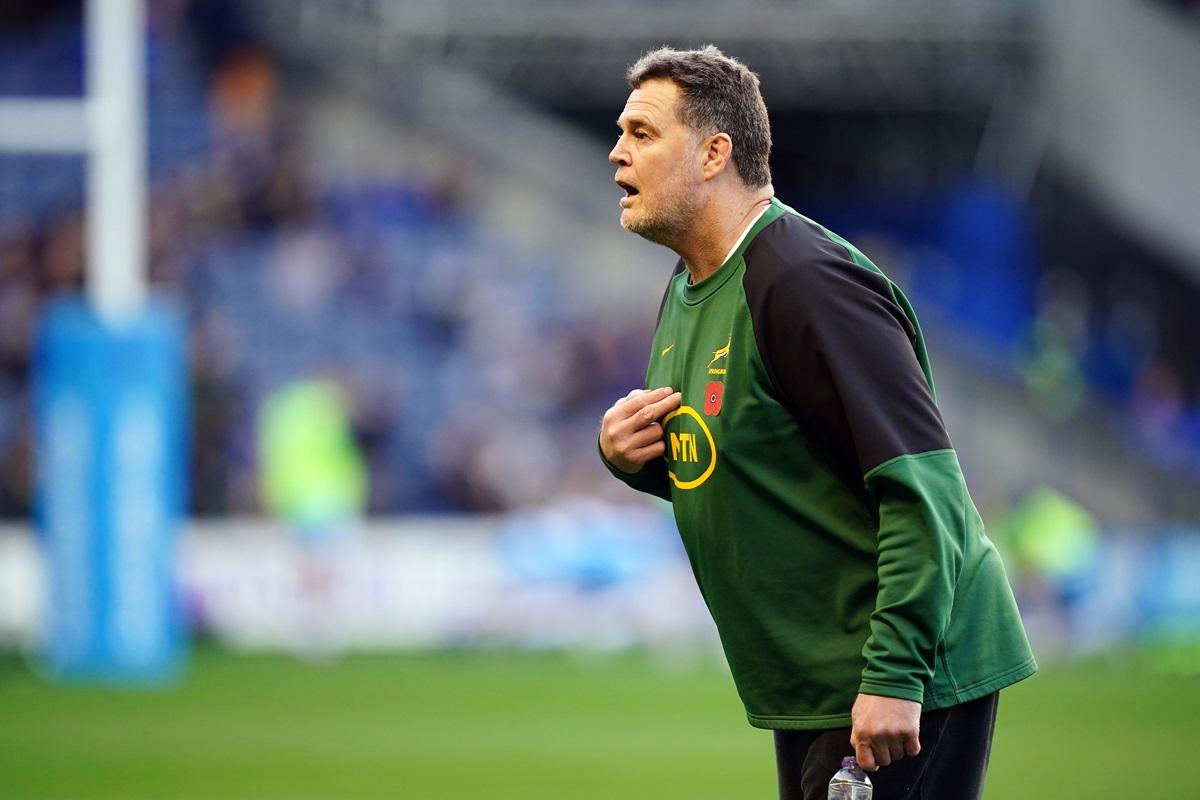
“Springbok coach Rassie Erasmus is monitoring the fitness of South Africa’s locally based internationals as URC fixtures threaten to disrupt preparations for the November Nations Championship Tests against Italy, Ireland and France. Injuries and fitness concerns affecting key players could force changes to the squad, increasing the importance of medical assessments, squad depth and performances in the final club matches before the international campaign.”
Springboks Face Injury Test as Rassie Erasmus Prepares for Crucial November Rugby Internationals
South African rugby is entering a decisive period as the Springboks prepare for their November international campaign amid growing concerns about player availability. Head coach Rassie Erasmus must balance the demands of professional club rugby with the national team’s preparations for three challenging European Tests against Italy, France and Ireland. With several experienced internationals dealing with injuries, the final round of United Rugby Championship action before the international break has become particularly important for the world champions.
The central concern is straightforward: South Africa needs its leading players fit, but those players must continue representing their provincial franchises in a demanding club competition. The situation highlights the complicated relationship between international ambitions and the responsibilities of professional teams, especially when important fixtures arrive close together.
For Erasmus and his coaching staff, the coming days will require careful assessment of player fitness, tactical alternatives and the readiness of potential replacements. Although South Africa has considerable depth across its positions, losing several experienced players simultaneously could complicate preparations for the European tour.
Injuries create uncertainty ahead of the international campaign
According to IOL’s report published on 26 October, several Springboks were already sidelined or facing fitness concerns following recent URC matches. The players identified include André Esterhuizen, Handré Pollard, André-Hugo Venter, Deon Fourie, Ben-Jason Dixon, Eben Etzebeth, RG Snyman, Kwagga Smith and Cheslin Kolbe. Their circumstances differ, and the report does not establish that every player will miss all three November Tests.
Nevertheless, the number of experienced players affected illustrates the challenge facing South Africa’s management. Injuries across the backline, forwards and specialist positions can affect selection plans, training combinations and tactical preparation.
Esterhuizen’s situation is particularly significant because of his value as a powerful midfield option. His physicality, defensive strength and ability to carry the ball through contact make him an important player in South Africa’s approach. His injury during the Sharks’ match against Cardiff has therefore attracted attention ahead of the international campaign. The precise implications for his availability must depend on subsequent medical assessments rather than assumptions based solely on his departure from the field.
Pollard’s hamstring problem presents another selection concern. The fly-half position carries substantial responsibility for organising attacking movements, controlling territory through tactical kicking and converting scoring opportunities. South Africa has other options at fly-half, but losing an experienced international can still affect the balance of the match-day squad.
The importance of managing the final URC fixtures
The United Rugby Championship creates an immediate dilemma for South Africa’s franchises. The Lions and Sharks face demanding away fixtures against Glasgow Warriors and Munster, while the Stormers and Bulls have home matches against Scarlets and Ulster respectively. IOL reports that the different circumstances could influence how each team manages its Springbok players.
For teams travelling overseas, securing victories and collecting valuable league points remain important objectives. Coaches must therefore consider the competitive consequences of resting leading players, particularly when their squads face difficult opposition.
The Stormers and Bulls have the advantage of playing at home, which could provide greater flexibility when managing workloads. However, home fixtures are not automatically easy opportunities to rotate players. Opponents arrive with their own ambitions, and league standings can make every available point important.
The challenge is to make sensible decisions without undermining either club or country. Players need competitive minutes to maintain match sharpness, yet excessive workloads and insufficient recovery can increase the risks associated with fatigue. Medical teams, strength and conditioning specialists, coaches and players must therefore coordinate their decisions.
Importantly, the national team cannot simply assume that every franchise will rest its international players. Club coaches have their own responsibilities to supporters, employers and teammates. This makes communication between the national setup and the franchises essential during a congested rugby calendar.
Springbok depth could create opportunities for new players
One possible consequence of the injury concerns is an opportunity for emerging players to demonstrate their readiness for international rugby. IOL reports that the situation could prompt Erasmus and his staff to consider additional options for the European tour.
South Africa’s established strength has been built partly on competition for places. Players must perform consistently at franchise level to challenge experienced internationals, while squad depth enables the coaching team to adapt when injuries disrupt selection.
However, a potential call-up should not be interpreted as confirmation that a particular player will be selected. The final squad will depend on medical information, training performances, tactical requirements and the coaching staff’s assessment of the opposition.
Replacement players also face a significant challenge when entering a squad late in its preparation cycle. International rugby requires familiarity with defensive systems, attacking patterns, set-piece responsibilities and communication structures. Even talented players need time to understand their roles within the broader team.
Consequently, the coaching staff will need to balance the benefits of introducing fresh talent against the value of selecting experienced players who already understand the Springboks’ systems. Versatility may prove especially useful because a player capable of covering multiple positions can provide additional options on the bench.
Key positions require particular attention
The injuries affecting South Africa’s forwards deserve close monitoring. Hookers, locks and loose forwards have distinct responsibilities that cannot always be replaced by moving another player into the position.
At hooker, for example, reliable line-out throwing and effective scrummaging are essential. A shortage of available specialists can affect set-piece stability, which in turn influences the team’s ability to build attacking platforms and defend against opposition pressure.
The Stormers have faced concerns involving André-Hugo Venter and Deon Fourie, according to the IOL report. Their fitness matters to the franchise, while their respective circumstances also form part of the wider national selection picture.
In the second row, experienced locks provide physical presence, line-out expertise and work rate around the field. Etzebeth and Snyman are among the senior forwards identified in the injury report. Their availability and recovery progress are therefore important considerations, although individual return dates must be confirmed by their teams.
The backline presents different tactical questions. Centres such as Esterhuizen can offer direct running and defensive solidity, while fly-halves must make rapid decisions under pressure. A change in either position can influence the way South Africa approaches territory, possession and scoring opportunities.
These examples demonstrate why squad selection involves more than counting available players. The coaching team must build a balanced group capable of executing its strategy against different styles of opposition.
The European Tests will demand consistency
South Africa’s scheduled November Tests present a challenging sequence. The South African rugby fixtures reported by The South African publication list Italy in Turin on 7 November, France in Paris on 13 November and Ireland in Dublin on 21 November. The tournament’s final weekend follows later in November.
Italy will provide the opening challenge, requiring the Springboks to begin their campaign with the right combination of discipline and physical intensity. South Africa will need to manage possession carefully, execute its set pieces and avoid allowing unnecessary penalties to give the opposition territorial advantages.
The match against France presents a different tactical examination. French rugby is associated with dynamic attacking play, strong ball carriers and the ability to punish defensive mistakes. South Africa will need to maintain defensive organisation while ensuring that its own attacking opportunities are converted into points.
Ireland will then test the Springboks’ consistency and ability to adapt under pressure. A demanding schedule makes recovery between matches important, especially for players carrying heavy workloads or returning from injuries.
The order of these matches also makes squad management crucial. Coaches must consider not only the starting team for the opening Test but also how the available group can sustain performance throughout the tour. A player returning from injury may be able to contribute limited minutes before becoming ready for a full match, depending on medical clearance and match fitness.
Fitness, preparation and tactical execution
Injury management extends beyond waiting for players to recover. It also involves identifying how the squad can maintain its standards while individuals complete rehabilitation programmes.
Medical staff must assess the nature and severity of injuries, monitor progress and determine when players can safely resume full training. Coaches then need to evaluate whether returning players have enough preparation to perform at international intensity.
At the same time, training must address tactical execution. South Africa’s forwards need to coordinate their scrummaging, line-out work and breakdown responsibilities, while the backs must maintain communication and timing in attack.
Discipline will also be important. Against elite opposition, penalties and handling errors can undermine otherwise strong performances. A squad disrupted by injuries must avoid adding further pressure through preventable mistakes.
The Springboks’ depth provides options, but depth is most valuable when replacement players understand their responsibilities and are prepared to execute them under pressure.
What supporters should watch next
The immediate priority is the final round of URC fixtures and the medical assessments that follow. Supporters should watch for official franchise updates, confirmation of player recovery timelines and the announcement of the Springboks squad for the November Tests.
Esterhuizen’s fitness, Pollard’s recovery and the availability of experienced forwards are among the matters worth monitoring. However, until the relevant teams provide confirmed updates, predictions about individual selections should remain cautious.
The performances of emerging players will also be significant. Strong club displays could strengthen their cases for international selection, particularly where the Springboks require additional cover in key positions.
The final squad announcement should provide a clearer picture of the balance between established internationals and possible newcomers. It will also reveal how Erasmus intends to manage the demands of three difficult Tests in a relatively short period.
Conclusion: A critical week for South African rugby
South Africa’s injury concerns have placed additional attention on the final URC fixtures before the November international campaign. For Rassie Erasmus, the objective is to assemble a competitive, balanced and sufficiently fit squad capable of challenging Italy, France and Ireland.
The coming week will test the coordination between the national team and the franchises, the effectiveness of medical management and the depth available across the Springboks’ positions. While injuries create uncertainty, they can also provide opportunities for other players to establish themselves.
Ultimately, the Springboks’ success will depend on more than the availability of individual stars. Effective preparation, tactical discipline, set-piece execution and the ability to adapt will all influence the team’s performances in Europe.
With the November Tests approaching, the priority is clear: protect player welfare, assess every selection carefully and ensure that those chosen are ready for the demands of international rugby. The final URC round may be played for club points, but its consequences could significantly shape South Africa’s preparations for the challenges ahead.



