




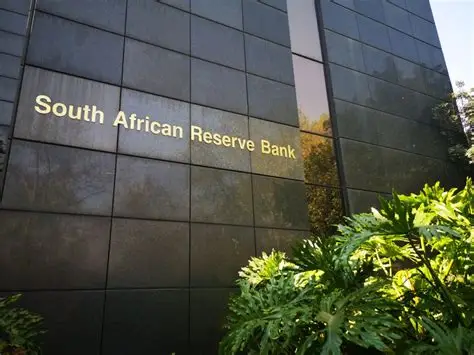
“The South African Reserve Bank’s decision to hold firm on its 3% inflation target has reassured markets, strengthened the rand, and boosted demand for government bonds. This policy stance has reinforced confidence in the banking sector, improving liquidity conditions and reducing borrowing costs for banks.”
On August 26, 2026, the South African Reserve Bank (SARB) reaffirmed its commitment to a 3% inflation target, a decision that has reverberated across the country’s financial markets. This announcement comes at a time of heightened global uncertainty, with investors closely monitoring U.S. inflation data and the Federal Reserve’s policy trajectory. For South Africa, the SARB’s stance has provided a stabilizing anchor, strengthening the rand and bolstering confidence in the banking sector.
Global Context
Globally, investors remain cautious ahead of the release of the U.S. Personal Consumption Expenditures (PCE) price index, the Federal Reserve’s preferred inflation gauge. While Wall Street and London markets have shown tepid responses, South Africa’s financial markets reacted positively to SARB’s proactive monetary policy. By tightening early, SARB has managed to keep inflation expectations in check, allowing bond yields to remain attractive and the rand to appreciate.
Impact on the Rand
The rand reached a six-month high against the dollar, reflecting renewed confidence in South Africa’s financial system. This appreciation is not merely a currency story—it signals deeper trust in the country’s economic management. For banks, a stronger rand reduces foreign exchange volatility and enhances stability in cross-border transactions.
Banking Sector Confidence
The banking sector thrives on stability, and SARB’s credibility has become a cornerstone of investor trust. Old Mutual’s Izak Odendaal noted that the Reserve Bank is “in the box seat,” having acted decisively to prevent runaway inflation. This confidence translates directly into stronger demand for South African banking assets, particularly bonds, which saw their highest demand in three months.
Credit Market Resilience
Credit markets, which had been under pressure due to global volatility, are now “smiling again,” as analysts put it. Stronger credit markets reduce borrowing costs and improve liquidity conditions for banks. This has significant implications for lending growth, enabling banks to expand credit to businesses and households.
Investor Sentiment and Bond Auctions
Government debt auctions have become a litmus test for investor sentiment. The recent surge in demand highlights renewed appetite for South African assets, driven by SARB’s credibility and the rand’s resilience. For banks, this means greater stability in funding markets and improved prospects for lending growth.
Risks and Challenges
Despite the optimism, risks remain. Global factors, particularly U.S. monetary policy, continue to exert influence on South Africa’s markets. If the Federal Reserve signals aggressive tightening, capital outflows could pressure the rand and bond markets. Domestically, structural challenges such as unemployment and energy supply constraints also pose risks to sustained banking sector growth.
Conclusion
The SARB’s reaffirmation of its inflation target has provided a much-needed boost to South Africa’s banking sector. By anchoring inflation expectations and strengthening the rand, the Reserve Bank has reinforced investor confidence and stabilized credit markets. While risks remain, the current trajectory suggests a more resilient banking sector poised for growth.



