




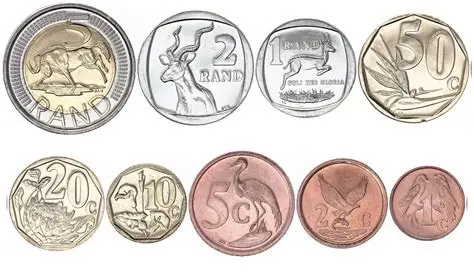
“The South African rand traded steadily at R15.95/$ on Thursday morning as investors awaited July producer inflation data, expected at 6.1%. Market participants are balancing domestic inflation pressures with global signals from the Jackson Hole symposium, where U.S. Federal Reserve Chair Kevin Warsh’s remarks may influence emerging market currencies.”
South Africa’s financial markets entered Thursday, 27 August 2026, with a sense of cautious stability. The rand, often a bellwether for investor sentiment in emerging markets, held firm against the U.S. dollar at R15.95/$, reflecting a wait-and-see approach by traders ahead of the release of July producer inflation data. This comes at a critical juncture for both domestic and global economic policy, as inflationary pressures remain a central concern for governments and central banks worldwide.
Domestic Context: Inflation and Market Expectations
Producer inflation in South Africa has been moderating in recent months, falling from 7.8% in May to 7.5% in June, with analysts now forecasting a further decline to 6.1% in July. This trend suggests that cost pressures at the production level are easing, potentially offering relief to consumers and businesses alike. However, the persistence of inflation above the South African Reserve Bank’s target range underscores ongoing challenges in stabilizing prices amid volatile energy costs and supply chain disruptions.
Bond markets reflected this cautious optimism, with yields on the benchmark 2035 government bond easing slightly to 8.445%, signaling investor confidence in South Africa’s fiscal trajectory. Yet, the broader economic picture remains fragile, with growth prospects constrained by structural issues such as electricity shortages, port inefficiencies, and high unemployment.
Global Influences: Jackson Hole Symposium
While domestic inflation data is crucial, global developments are equally influential in shaping the rand’s trajectory. Investors are closely monitoring the Jackson Hole symposium, an annual gathering of central bankers and economists, where U.S. Federal Reserve Chair Kevin Warsh is expected to outline the Fed’s policy stance. Any indication of prolonged tightening in U.S. monetary policy could strengthen the dollar, exerting downward pressure on risk-sensitive currencies like the rand.
The interplay between local inflation trends and global monetary signals highlights the interconnectedness of South Africa’s financial markets with broader international dynamics. For South African policymakers, this means navigating a delicate balance between domestic priorities and external shocks.
Implications for Businesses and Consumers
For businesses, particularly those reliant on imports, the rand’s stability offers short-term predictability in pricing and procurement. Exporters, meanwhile, benefit from a relatively weaker currency that enhances competitiveness abroad. Consumers, however, remain vulnerable to inflationary pressures, particularly in food and energy costs, which disproportionately affect lower-income households.
Financial institutions are also closely watching these developments. Banks and asset managers are recalibrating portfolios to hedge against potential volatility, while retail investors are weighing opportunities in equities and bonds against risks in currency fluctuations.
Policy Considerations
The South African Reserve Bank faces a complex policy environment. While moderating producer inflation provides some breathing room, the central bank must remain vigilant against external shocks that could reignite price pressures. Interest rate decisions in the coming months will likely hinge on the trajectory of both domestic inflation and global monetary policy.
Fiscal authorities, meanwhile, are under pressure to maintain credibility in managing public finances. With debt levels elevated and social spending demands rising, the government must balance fiscal consolidation with the need to stimulate growth and address inequality.
Broader Economic Outlook
Looking ahead, South Africa’s economic outlook will depend on several key factors:
- Inflation trajectory: Sustained moderation could ease pressure on households and businesses.
- Global monetary policy: Fed decisions will influence capital flows and currency stability.
- Structural reforms: Addressing energy supply, port efficiency, and labor market rigidity remains critical.
- Investor confidence: Maintaining credibility in fiscal and monetary policy is essential to attract investment.
Conclusion
The rand’s stability ahead of producer inflation data reflects both cautious optimism and underlying uncertainty in South Africa’s financial markets. While moderating inflation offers hope for relief, global monetary signals and domestic structural challenges continue to shape the country’s economic trajectory. For policymakers, businesses, and consumers alike, the coming weeks will be pivotal in determining whether South Africa can sustain stability or face renewed volatility.



