




“Zacharia Mashishi’s Chief Ralekhudu Enterprises is pioneering a new model of healthcare entrepreneurship by repairing wheelchairs and empowering disabled individuals to become entrepreneurs themselves. His work underscores both the promise and the challenges of South Africa’s fragmented health innovation ecosystem.”
Entrepreneurship in South Africa has long been viewed as a critical lever for addressing systemic social and economic challenges. On June 22, 2026, one story stood out: the rise of Chief Ralekhudu Enterprises, a township-based start-up founded by Zacharia Mashishi, which is reshaping healthcare access through social innovation. The company repairs and services wheelchairs and other medical devices, while simultaneously training people with disabilities to perform the work and establish businesses in their own communities. This dual mission—solving a pressing healthcare gap and creating economic opportunity—illustrates the transformative potential of entrepreneurship in South Africa.
South Africa has millions of wheelchairs in circulation, yet until recently, there was no accessible, dedicated system for servicing them at scale. For many disabled individuals, a broken wheelchair meant isolation, loss of independence, and diminished quality of life. Mashishi’s enterprise addresses this gap directly, offering affordable repair services and building a network of trained technicians who understand the lived experience of disability. This approach not only restores mobility but also fosters dignity and empowerment.
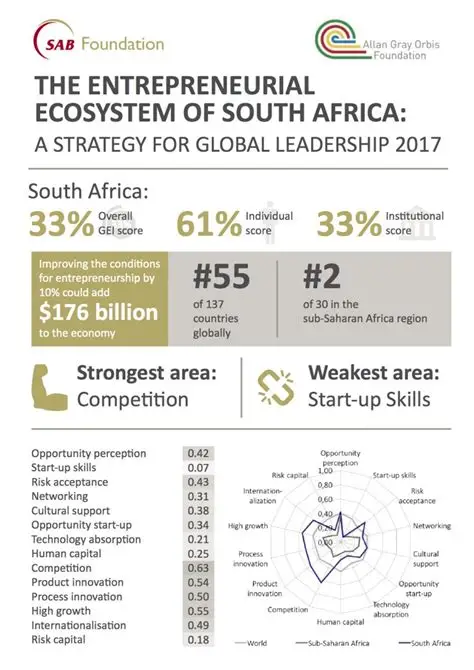
The broader context reveals both promise and paradox. South Africa’s health innovation ecosystem boasts world-class institutions such as the South African Medical Research Council (SAMRC), leading universities, and international partners like the US National Institutes of Health (NIH). Collaborative projects, including the Strategic Health Innovation Partnerships (SHIP), have positioned the country as a global player in medical research and innovation. Yet despite these strengths, the system remains fragmented and under-resourced at the grassroots level. Entrepreneurs like Mashishi often struggle to access funding, networks, and institutional support.
Research into social innovation in South Africa highlights persistent inequities in funding allocation. Alarmingly, 90% of successful SMMEs are white-owned, underscoring systemic barriers faced by black entrepreneurs and innovators. Mashishi’s success, therefore, is not just a personal triumph but a challenge to entrenched biases in the entrepreneurial landscape. His work demonstrates that solutions rooted in community needs can thrive if given the right support.
The implications extend beyond healthcare. Chief Ralekhudu Enterprises exemplifies how entrepreneurship can simultaneously address social justice, economic inclusion, and systemic inefficiencies. By training disabled individuals to become entrepreneurs, the company creates ripple effects: new businesses, local job creation, and stronger community resilience. This model aligns with global trends emphasizing inclusive entrepreneurship, where marginalized groups are empowered to participate fully in economic life.
However, the challenges remain significant. Access to finance is limited, accelerators and incubators are concentrated in urban centers, and policy frameworks often fail to prioritize grassroots innovation. For every Mashishi who succeeds, many more innovators falter—not due to lack of vision, but because of systemic barriers. Addressing these gaps will require coordinated national strategies, equitable funding mechanisms, and stronger linkages between formal institutions and township-based entrepreneurs.
In conclusion, the story of Chief Ralekhudu Enterprises is a powerful reminder of what entrepreneurship can achieve in South Africa. It is a case study in how social innovation can bridge healthcare gaps, empower marginalized communities, and create sustainable economic value. As policymakers, investors, and institutions reflect on the future of entrepreneurship, Mashishi’s journey offers both inspiration and a call to action: to build an ecosystem that supports not just the few, but the many.



